Cancel

Unlock the Power ofCreatine Monohydrate Unlock the Power ofCreatine Monohydrate

01 Dec' 25

Unlock the Power of
Creatine Monohydrate

By: Maria De Ascencao

Once relegated to gym bags and bodybuilding forums, creatine monohydrate has emerged from the lab as a low-cost, well-researched molecule with benefits that reach far beyond strength and size – touching brain health, cardiovascular wellness, and even women's health. Here's what the latest research and product innovation tell us.

Walk into any serious weight room, and you'll find tubs of creatine on the benches. What once felt like insider knowledge for lifters has become mainstream science: creatine monohydrate is one of the most thoroughly studied supplements in history. But its story doesn't stop at reps and sets. Recent investigations reveal that creatine's role in cellular energy may translate into clearer thinking, improved recovery, and broader health applications, especially as brands and researchers refine formulations like micronised creatine for better absorption and tolerability.

What Creatine Actually Is (And Why It Matters)

Creatine is a naturally occurring compound concentrated in skeletal muscle and the brain. It helps regenerate adenosine triphosphate (ATP), the molecule cells use for short bursts of high-intensity activity. By increasing intramuscular creatine stores, supplementation lets you perform slightly more work during a set or a sprint, recover a bit faster between efforts, and, over time, build more muscle and strength when that extra work is consistent.

Proven Performance Benefits

Decades of randomised trials and meta-analyses place creatine monohydrate at the top of the evidence pyramid for improving strength, power, and lean mass when paired with resistance training. Its particular value is in repeated high-intensity efforts – think sprint intervals, team sports, and weightlifting – where replenishing ATP quickly determines how many bursts of effort you can produce. Compared with alternate forms (e.g., creatine hydrochloride), creatine monohydrate remains the gold standard: affordable, effective, and backed by the largest body of research.


Creatine monohydrate is one of the most thoroughly studied supplements in history. Its benefits extend well beyond gym performance." – Dr. William Wallace, Ph.D.

From Muscle to Mind: Cognitive Benefits Gaining Traction

Energy metabolism matters in the brain as much as it does in muscle. Emerging studies indicate that creatine supplementation can improve aspects of cognitive function, like short-term memory, processing speed, and resistance to mental fatigue – especially in contexts where the brain's energy demands are high or when dietary creatine is low (e.g., vegetarian diets). While more large-scale clinical trials are needed, the early picture suggests creatine could be a low-risk adjunct for mental endurance in athletes, shift workers, and students under heavy cognitive load.

Heart Health and Oxidative Stress

Beyond ATP, creatine appears to influence oxidative stress and microvascular blood flow – two mechanisms implicated in cardiovascular disease. Research shows potential for creatine to reduce markers of oxidative damage and support healthy blood flow in muscle tissue, which may contribute to improved overall cardiovascular resilience. These findings broaden creatine's relevance from athletes to ageing adults concerned with long-term health.

A New Focus on Women

Historically, most creatine research enrolled male athletes. That is shifting. Recent studies highlight that women also benefit from creatine supplementation. Improvements in muscle performance, recovery, and possibly cognitive outcomes have been observed. As female-centric research grows, so will tailored guidelines for dosing and use that consider hormonal cycles, body size, and distinct training goals.

Micronisation and Product Innovation: What's the Difference?

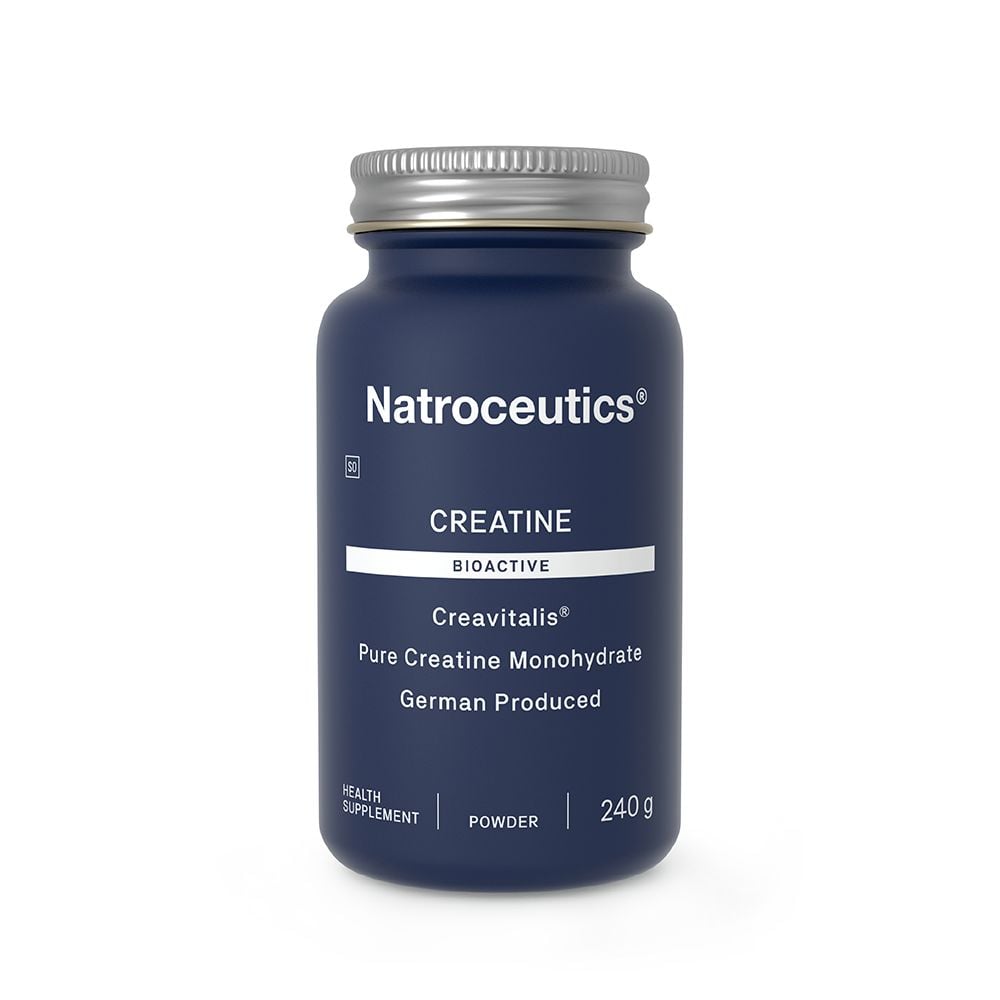
Not all powders are created equal. Micronised creatine is simply creatine monohydrate processed into much finer particles. The smaller particle size increases surface area, improving water solubility and, according to several investigations, speed of absorption and gastrointestinal tolerability. One example featured in recent research is micronised Creavitalis creatine monohydrate, which proponents claim improves uptake and reduces stomach upset during loading phases. Early data from researchers such as Dr Wallace suggest micronised formulations may saturate muscle stores faster and with fewer side effects, although the core ergogenic benefits still stem from creatine itself.

Dr William Wallace, PhD, a leading researcher in sports nutrition, has conducted several studies examining the bioavailability and performance benefits of micronised creatine formulations like Creavitalis. His work highlights that the micronised form is absorbed more quickly by muscle cells, allowing for faster replenishment of phosphocreatine stores critical for high-intensity exercise. He advises, "Micronised creatine improves solubility and may lessen digestive discomfort – making creatine accessible to more people."

How to Use Creatine: Practical Guidance

The tried-and-true protocol many athletes use consists of:

• Loading phase (optional): 20 grams per day split across 4 doses for 5-7 days to quickly saturate muscles.
• Maintenance: 3-5 grams per day thereafter to sustain levels.

Because micronised creatine dissolves more readily, some users skip the loading phase and take a consistent daily dose (3-5 g); muscle saturation occurs more slowly but avoids higher short-term dosing. Hydration is important – creatine draws water into muscle tissue – so drink enough fluids to support performance and recovery. For most healthy adults, side effects are minimal; very occasional mild stomach discomfort may occur, typically reduced by spreading doses or switching to a micronised product.

Quick Facts About Creatine Monohydrate

• Most studied forms: Creatine monohydrate (standard and micronised versions).
• Typical maintenance dose: 3-5 grams daily.
• Common loading dose: 20 g/day (divided) for 5-7 days (optional).
• Safety: Decades of research indicate creatine is safe for healthy adults when used as directed.

Safety, Caveats, and Who Should Consult a Clinician

Longstanding research supports creatine's safety in healthy populations. However, people with pre-existing kidney disease, pregnant or breastfeeding individuals, and those on certain medications should consult a healthcare professional before beginning supplementation. As with any supplement, quality matters: choose third-party tested brands and follow dosing instructions.

Looking Forward: Therapeutic and Personalised Uses

Research horizons include creatine's therapeutic potential for neurodegenerative conditions, muscle-wasting disorders, and even aspects of reproductive health. Another promising direction is personalised supplementation: matching creatine protocols to genetic profiles, diet, and activity patterns to maximise benefit. As micronisation and other formulation technologies improve bioavailability and tolerability, creatine's audience will likely widen from competitive athletes to broader wellness seekers.

What started as a performance enhancer for lifters has evolved into a versatile, science-backed compound with implications for physical and cognitive health. Creatine monohydrate's combination of robust evidence, low cost, and emerging refinements like micronised formulations makes it one of the most compelling supplements available today. Whether your aim is a few more reps, clearer thinking under pressure, or long-term wellness, creatine is worth a look – ideally in consultation with a qualified healthcare professional.

About The Author

Maria de Ascencao is a South African entrepreneur and industry leader in the nutraceutical and natural health products sector. She is the founder & CEO of Eco Ceuticals, head of Natroceutics Global Partners, and chairperson of the Health Products Association of South Africa (HPASA). Widely credited as the founder of Bioharmony, she has also been linked to Enaleni Pharmaceuticals and the local manufacture and distribution of international nutritional ranges, including the Patrick Holford line. With deep expertise in product development, formulation, distribution, and regulatory affairs, Maria plays a key role in shaping the industry through advocacy, trade association leadership, and partnerships bridging South Africa and global markets.

Unlock the Powerof Creatine Monohydrate Unlock the Powerof Creatine Monohydrate

01 Dec' 25

Unlock the Power
of Creatine Monohydrate

By: Maria De Ascencao

Once relegated to gym bags and bodybuilding forums, creatine monohydrate has emerged from the lab as a low-cost, well-researched molecule with benefits that reach far beyond strength and size – touching brain health, cardiovascular wellness, and even women's health. Here's what the latest research and product innovation tell us.

Walk into any serious weight room, and you'll find tubs of creatine on the benches. What once felt like insider knowledge for lifters has become mainstream science: creatine monohydrate is one of the most thoroughly studied supplements in history. But its story doesn't stop at reps and sets. Recent investigations reveal that creatine's role in cellular energy may translate into clearer thinking, improved recovery, and broader health applications, especially as brands and researchers refine formulations like micronised creatine for better absorption and tolerability.

What Creatine Actually Is (And Why It Matters)

Creatine is a naturally occurring compound concentrated in skeletal muscle and the brain. It helps regenerate adenosine triphosphate (ATP), the molecule cells use for short bursts of high-intensity activity. By increasing intramuscular creatine stores, supplementation lets you perform slightly more work during a set or a sprint, recover a bit faster between efforts, and, over time, build more muscle and strength when that extra work is consistent.

Proven Performance Benefits

Decades of randomised trials and meta-analyses place creatine monohydrate at the top of the evidence pyramid for improving strength, power, and lean mass when paired with resistance training. Its particular value is in repeated high-intensity efforts – think sprint intervals, team sports, and weightlifting – where replenishing ATP quickly determines how many bursts of effort you can produce. Compared with alternate forms (e.g., creatine hydrochloride), creatine monohydrate remains the gold standard: affordable, effective, and backed by the largest body of research.


Creatine monohydrate is one of the most thoroughly studied supplements in history. Its benefits extend well beyond gym performance." – Dr. William Wallace, Ph.D.

From Muscle to Mind: Cognitive Benefits Gaining Traction

Energy metabolism matters in the brain as much as it does in muscle. Emerging studies indicate that creatine supplementation can improve aspects of cognitive function, like short-term memory, processing speed, and resistance to mental fatigue – especially in contexts where the brain's energy demands are high or when dietary creatine is low (e.g., vegetarian diets). While more large-scale clinical trials are needed, the early picture suggests creatine could be a low-risk adjunct for mental endurance in athletes, shift workers, and students under heavy cognitive load.

Heart Health and Oxidative Stress

Beyond ATP, creatine appears to influence oxidative stress and microvascular blood flow – two mechanisms implicated in cardiovascular disease. Research shows potential for creatine to reduce markers of oxidative damage and support healthy blood flow in muscle tissue, which may contribute to improved overall cardiovascular resilience. These findings broaden creatine's relevance from athletes to ageing adults concerned with long-term health.

A New Focus on Women

Historically, most creatine research enrolled male athletes. That is shifting. Recent studies highlight that women also benefit from creatine supplementation. Improvements in muscle performance, recovery, and possibly cognitive outcomes have been observed. As female-centric research grows, so will tailored guidelines for dosing and use that consider hormonal cycles, body size, and distinct training goals.

Micronisation and Product Innovation: What's the Difference?

Not all powders are created equal. Micronised creatine is simply creatine monohydrate processed into much finer particles. The smaller particle size increases surface area, improving water solubility and, according to several investigations, speed of absorption and gastrointestinal tolerability. One example featured in recent research is micronised Creavitalis creatine monohydrate, which proponents claim improves uptake and reduces stomach upset during loading phases. Early data from researchers such as Dr Wallace suggest micronised formulations may saturate muscle stores faster and with fewer side effects, although the core ergogenic benefits still stem from creatine itself.

Dr William Wallace, PhD, a leading researcher in sports nutrition, has conducted several studies examining the bioavailability and performance benefits of micronised creatine formulations like Creavitalis. His work highlights that the micronised form is absorbed more quickly by muscle cells, allowing for faster replenishment of phosphocreatine stores critical for high-intensity exercise. He advises, "Micronised creatine improves solubility and may lessen digestive discomfort – making creatine accessible to more people."

How to Use Creatine: Practical Guidance

The tried-and-true protocol many athletes use consists of:

• Loading phase (optional): 20 grams per day split across 4 doses for 5-7 days to quickly saturate muscles.
• Maintenance: 3-5 grams per day thereafter to sustain levels.

Because micronised creatine dissolves more readily, some users skip the loading phase and take a consistent daily dose (3-5 g); muscle saturation occurs more slowly but avoids higher short-term dosing. Hydration is important – creatine draws water into muscle tissue – so drink enough fluids to support performance and recovery. For most healthy adults, side effects are minimal; very occasional mild stomach discomfort may occur, typically reduced by spreading doses or switching to a micronised product.

Quick Facts About Creatine Monohydrate

• Most studied forms: Creatine monohydrate (standard and micronised versions).
• Typical maintenance dose: 3-5 grams daily.
• Common loading dose: 20 g/day (divided) for 5-7 days (optional).
• Safety: Decades of research indicate creatine is safe for healthy adults when used as directed.

Safety, Caveats, and Who Should Consult a Clinician

Longstanding research supports creatine's safety in healthy populations. However, people with pre-existing kidney disease, pregnant or breastfeeding individuals, and those on certain medications should consult a healthcare professional before beginning supplementation. As with any supplement, quality matters: choose third-party tested brands and follow dosing instructions.

Looking Forward: Therapeutic and Personalised Uses

Research horizons include creatine's therapeutic potential for neurodegenerative conditions, muscle-wasting disorders, and even aspects of reproductive health. Another promising direction is personalised supplementation: matching creatine protocols to genetic profiles, diet, and activity patterns to maximise benefit. As micronisation and other formulation technologies improve bioavailability and tolerability, creatine's audience will likely widen from competitive athletes to broader wellness seekers.

What started as a performance enhancer for lifters has evolved into a versatile, science-backed compound with implications for physical and cognitive health. Creatine monohydrate's combination of robust evidence, low cost, and emerging refinements like micronised formulations makes it one of the most compelling supplements available today. Whether your aim is a few more reps, clearer thinking under pressure, or long-term wellness, creatine is worth a look – ideally in consultation with a qualified healthcare professional.

About The Author

Maria de Ascencao is a South African entrepreneur and industry leader in the nutraceutical and natural health products sector. She is the founder & CEO of Eco Ceuticals, head of Natroceutics Global Partners, and chairperson of the Health Products Association of South Africa (HPASA). Widely credited as the founder of Bioharmony, she has also been linked to Enaleni Pharmaceuticals and the local manufacture and distribution of international nutritional ranges, including the Patrick Holford line. With deep expertise in product development, formulation, distribution, and regulatory affairs, Maria plays a key role in shaping the industry through advocacy, trade association leadership, and partnerships bridging South Africa and global markets.

Please log in to add items to your wishlist