Our bones and joints quietly support everything we do — from our morning stretches and sitting at our desks to playing with our children or pets. Yet many people only start thinking about bone and joint health when stiffness, aches, or fractures appear.
The Skeletal Foundation
Bones are dynamic, living tissues that constantly remodel themselves. During childhood and early adulthood, bone tissue is built faster than it breaks down — a process that peaks in our 20s to 30s. After that, the balance slowly shifts, and we begin to lose bone mass. This makes it essential to strengthen bones early and preserve them as we age.
“The truth is, building and protecting your skeletal foundation should start early and continue throughout life – and it’s not as complicated as you might think.”
Exercise
Movement is one of - if not the most - powerful tools we have.
Weight-bearing and resistance exercises (such as brisk walking, stair climbing, jumping, dancing, and strength training ) stimulate bone formation. A 2023 meta-analysis published in the Journal of Bone and Mineral Research found that impact and resistance training significantly improved bone mineral density (BMD), especially at the spine and hip, in adults of all ages.
Even small, consistent bouts of activity matter. Research in older adults shows that exercise combining balance, impact, and resistance training can modestly increase bone density and reduce falls.
Nutrition
Calcium and vitamin D remain the cornerstones of bone health. Calcium provides the building blocks for bones, while vitamin D helps the body absorb it. A 2025 systematic review confirmed that combined calcium and vitamin D supplementation improves bone density and reduces fracture risk in populations with low dietary intake.
Other nutrients also play supporting roles — magnesium, vitamin K, and protein contribute to bone formation and repair. On the other hand, diets high in ultra-processed foods have been linked to lower bone mineral density and increased osteoporosis risk.
Oestrogen
Oestrogen is an important hormone for bone health – something not many people realise. In peri-menopause and menopause, there is a decline in oestrogen, which is directly linked to decreased osteoclast activity - making women more prone to osteoporosis and fractures.
“Move regularly, lift something heavy a few times a week, and eat a diet rich in whole foods, leafy greens, nuts, dairy or fortified alternatives, and fatty fish for optimal bone strength.
Ladies, visit your doctor in peri/menopause to guide you towards supporting the natural decline in oestrogen levels.”
Protecting Your Joints for Lifelong Mobility
Joints are the body’s hinges — complex structures of cartilage, fluid, ligaments, and tendons that enable smooth movement. Over time, or after repeated stress, these tissues can wear down, leading to stiffness, inflammation, and pain, particularly in weight-bearing joints like the knees and hips.
Movement is Medicine
Contrary to old advice, avoiding movement when you have joint discomfort can worsen stiffness. Studies consistently show that moderate, regular exercise helps maintain joint function and slows the progression of osteoarthritis (OA). Strength training, in particular, builds muscles that stabilise and protect joints.
Low-impact activities (such as swimming, cycling, or yoga) are excellent options for those with joint sensitivity, while walking and resistance training help maintain mobility and strength.
Weight Management Matters
Excess body weight increases mechanical stress on joints and contributes to inflammation. Losing even 5–10% of body weight has been shown to significantly reduce pain and improve mobility in people with knee osteoarthritis. On the flip side, being underweight or nutrient-deficient can weaken both bones and connective tissue. The goal is balance — a healthy, sustainable weight supported by good nutrition and activity.
Nutrition for Joint Health
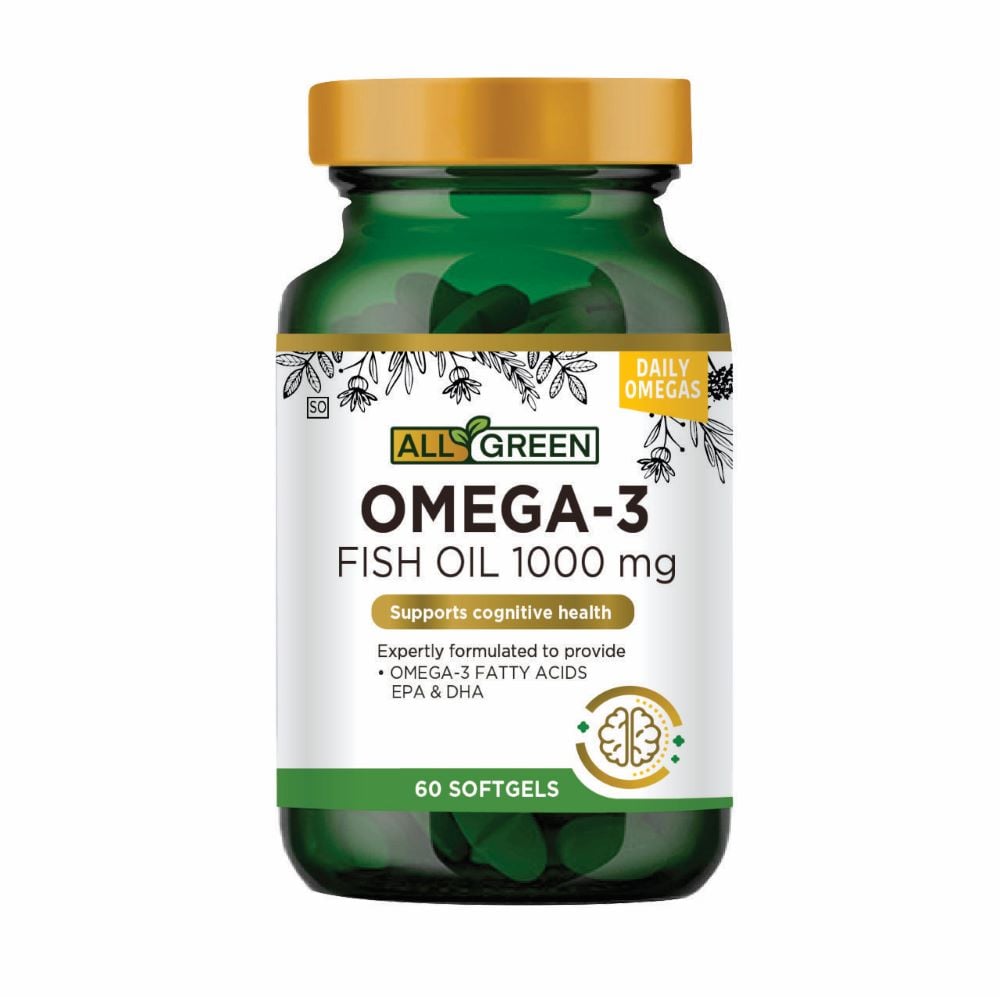
Emerging evidence points to anti-inflammatory dietary patterns, such as the Mediterranean diet, as beneficial for joint function. Omega-3 fatty acids (found in salmon, sardines, and flaxseeds) help reduce inflammation. Colourful vegetables and fruits provide antioxidants that protect cartilage cells, while olive oil supports joint lubrication and flexibility.
Seek assistance early from allied healthcare workers such as physiotherapists, biokineticists, and chiropractors who can assist in ensuring that you’re doing the right movements to support joint health.
“Joint and bone health are not isolated goals — they reinforce each other. The same habits that strengthen bones also keep joints mobile and resilient.”
Practical Daily Steps
- Move often. Weight-bearing activity (walking, jogging, dancing) 4–5 times a week supports bone and joint health.
- Add resistance. Two to three sessions of strength or resistance training per week help maintain muscle and bone mass.
- Stand up more. Long periods of sitting reduce circulation to bones and joints. Aim to stand or stretch every 30–60 minutes.
- Eat a protective diet. Focus on whole foods, quality protein, and plenty of vegetables. Include calcium and vitamin D-rich foods daily.
- Mind your posture and movement patterns. Proper alignment during exercise and daily activities protects joints from uneven wear.
- Don’t skip recovery. Rest and adequate sleep allow tissues to rebuild and adapt.
Myths and Misconceptions
Myth: Bone health only matters after menopause.
Fact: Peak bone density is achieved by around age 30. Building strong bones early offers protection later in life.
Myth: Exercise wears down joints.
Fact: The right exercise — with good form and gradual progression — nourishes joints and strengthens supporting muscles.
Myth: Supplements alone can fix bone loss.
Fact: Supplements help fill gaps, but lifestyle factors like activity, diet, and body weight have greater long-term impact.
Your bones and joints are living, adaptable tissues that thrive on movement, nourishment, and care. Consistent exercise, balanced nutrition and mindful weight management are the most effective ways to prevent fractures, stiffness, and degeneration with age.
Start small — walk more, lift something, eat real food, and stand tall. Every mindful movement you make, makes you stronger!
ABOUT THE AUTHOR
Dr Serisha Latchmiah is a GP at Health with Heart - a holistic wellness solution that includes a warm-hearted family practice in Sandton; bespoke corporate wellness programmes; unique retreats and medical travel experiences; an educational podcast and portal; and a community outreach initiative. For more information or to get in touch, follow @health_w_heart on Instagram or @HealthwithHeartDoctors on Facebook, or visit www.healthwithheart.co.za.
References
- Zhao, R., et al. (2023). Exercise and bone mineral density: A systematic review and meta-analysis of randomized controlled trials. Journal of Bone and Mineral Research, 38(7), 1251–1263.
→ High-impact and resistance exercise significantly improve bone density at the hip and spine. - Howe, T. E., et al. (2020). Exercise for preventing and treating osteoporosis in postmenopausal women. International Journal of Behavioral Nutrition and Physical Activity, 17(1), 89.
→ Resistance and impact training most effective for preserving bone mineral density in older women. - Gleeson, E. C., et al. (2021). Physical activity and bone health in men: A systematic review and meta-analysis. Osteoporosis International, 32(6), 1045–1057. → Exercise improves bone density in men, though evidence quality varies.
- Zhao, J. G., et al. (2025). Effects of calcium and vitamin D supplementation on bone mineral density and fracture risk in postmenopausal women with osteoporosis: A systematic review and meta-analysis. BMC Musculoskeletal Disorders, 26(1), 1074.
→ Combined calcium and vitamin D improves bone density and reduces fracture risk. - Cashman, K. D., et al. (2023). Nutritional supplements and skeletal health: Evidence and recommendations. Nutrients, 15(4), 987.
- → Supports role of calcium, vitamin D, magnesium, and protein in bone structure.
- Zhang, Y., et al. (2024). Ultra-processed food intake and bone mineral density: A population-based study. Nutrition & Metabolism, 21(1), 67.
- → High consumption of ultra-processed foods linked to lower bone density and increased osteoporosis risk.
- Fransen, M., et al. (2024). Non-surgical management of knee and hip osteoarthritis: An evidence-based update. Osteoarthritis and Cartilage, 32(5), 634–648. → Exercise, weight management, and diet are core strategies for joint health.
- Pincus, T., et al. (2022). Physical activity and osteoarthritis: A systematic review of randomized controlled trials. Arthritis Care & Research, 74(3), 411–423.
→ Regular, moderate physical activity reduces pain and maintains joint function in OA patients. - Guzman, B. A., et al. (2023). Dietary patterns and osteoarthritis risk: Systematic review and meta-analysis. Nutrition Reviews, 81(6), 713–728.
- → Mediterranean and anti-inflammatory diets reduce joint inflammation and improve symptoms.
- Verywell Health Editors. (2024). How to keep joints healthy. Retrieved from verywellhealth.com
→ Summarizes evidence-based joint protection strategies for the general public. - Watson, S. L., et al. (2020). The role of physical activity and nutrition in bone health across the lifespan. Public Health Nutrition, 23(2), 222–235.
- → Highlights importance of early-life loading and lifelong activity for bone preservation.
- World Health Organization (WHO). (2023). Guidelines on physical activity and sedentary behaviour. Geneva: WHO Press.
→ Recommends at least 150–300 minutes of moderate physical activity weekly, including strength exercises.