As the days grow shorter and sunlight becomes scarce, many people notice a shift in their mood, energy levels, and motivation.
For some, this change goes beyond the winter blues and becomes a clinically recognised form of depression known as Seasonal Affective Disorder (SAD). While most commonly associated with autumn and winter, SAD can affect anyone - and understanding it is the first step toward support and healing.
What is Seasonal Affective Disorder?
Seasonal Affective Disorder is a type of recurrent depression that follows a seasonal pattern, typically emerging during the darker months and easing as spring returns. Symptoms often include persistent low mood, fatigue, increased sleep, carbohydrate cravings, weight gain, reduced concentration, and withdrawal from social activities. Less commonly, a summer form of SAD can occur, characterised by anxiety, insomnia, restlessness, and reduced appetite.
At its core, SAD is thought to be linked to changes in light exposure, which disrupt the body’s internal clock - also known as the circadian rhythm. Reduced sunlight can affect the production of key mood-regulating neurotransmitters, including serotonin and melatonin, influencing both emotional wellbeing and sleep patterns.
Why Light Matters So Much
Sunlight plays a crucial role in regulating hormones that affect mood and energy. During darker months, melatonin production often increases, contributing to feelings of sluggishness and lethargy. At the same time, serotonin levels may drop, which is associated with low mood and depression.
Vitamin D deficiency is also common during winter, particularly for those who spend little time outdoors.
Low vitamin D levels have been linked to depressive symptoms, making this nutrient an important consideration in seasonal mental health.
Natural Ways to Support Mood During Seasonal Shifts
While SAD can be debilitating, there are many natural and supportive strategies that may help reduce its impact.
Light therapy is one of the most widely recommended treatments. Using a clinically approved light box for 20 - 30 minutes each morning can help reset circadian rhythms and improve mood by mimicking natural daylight.
Nutrition plays a vital role in emotional resilience. A diet rich in whole foods - especially omega-3 fatty acids, complex carbohydrates, and protein - supports stable blood sugar and neurotransmitter production. Foods such as oily fish, eggs, leafy greens, nuts, seeds, and legumes can help nourish the nervous system.
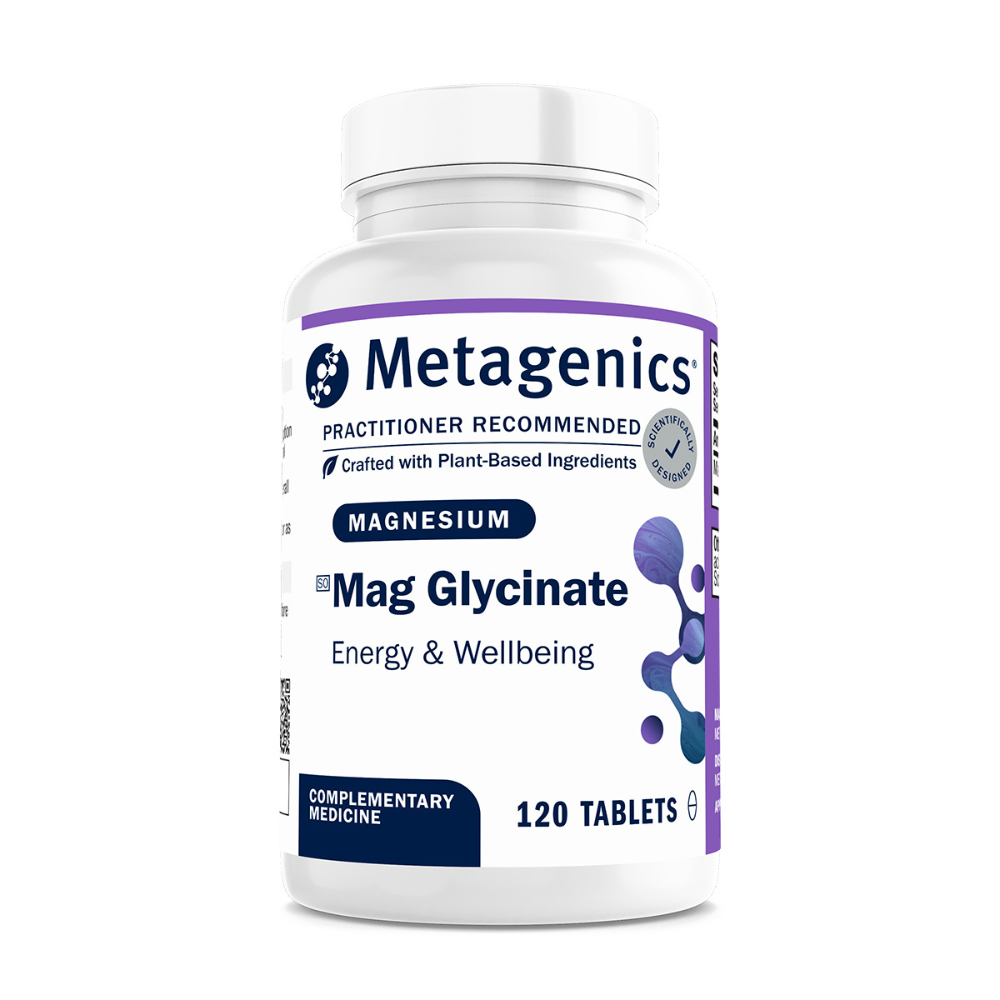
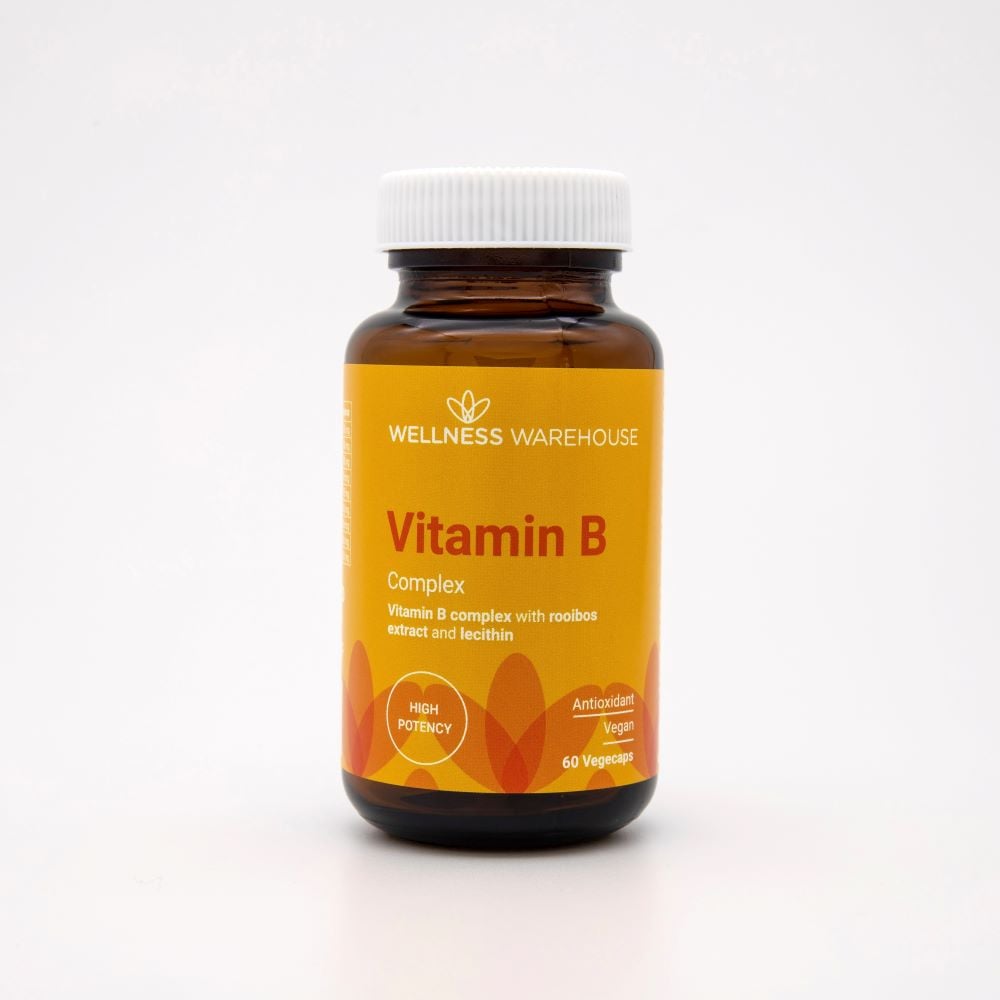
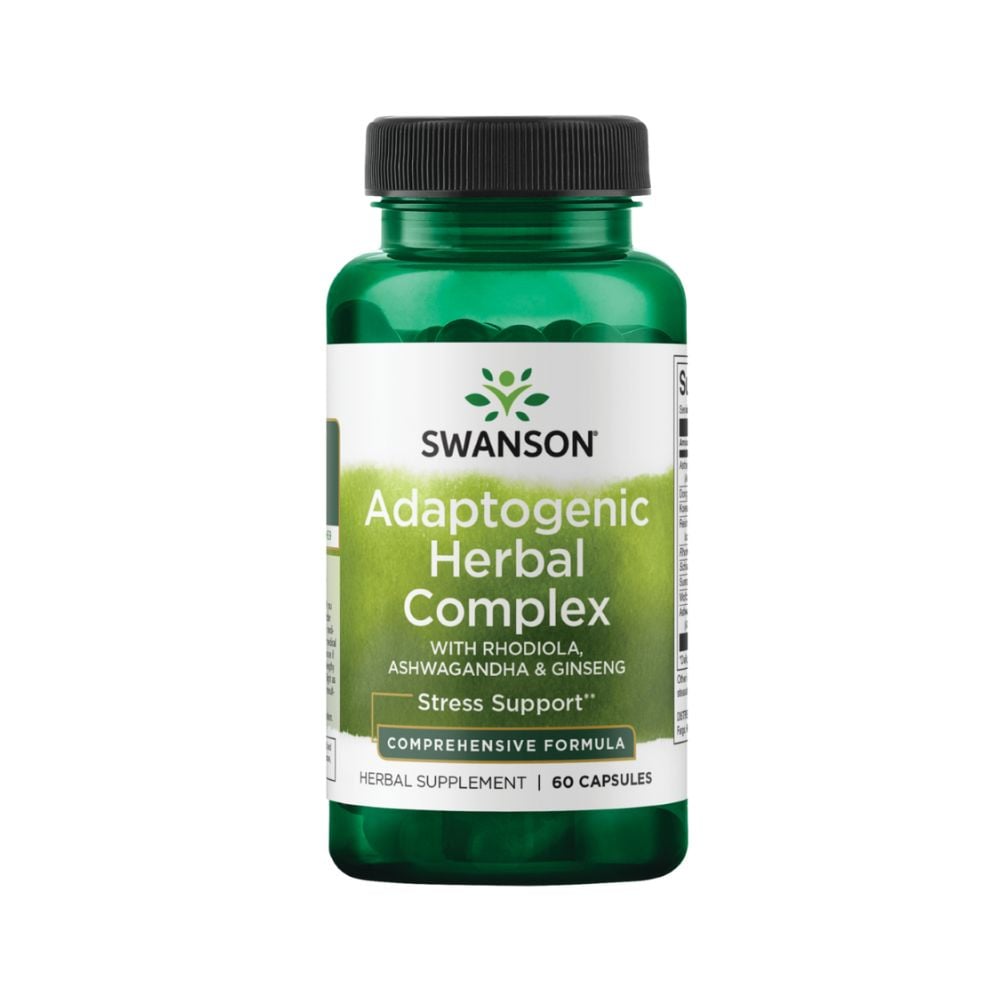
Targeted supplementation may also be beneficial. Vitamin D, B-complex vitamins, magnesium, and omega-3s are commonly used to support mood, energy, and stress resilience. Herbal allies like St John’s wort, saffron, and rhodiola have been studied for their potential mood-supportive effects, though they should always be used with professional guidance, particularly if medications are involved.
Movement, Nature & Nervous System Care
Regular physical activity is a powerful mood regulator. Gentle movement such as walking, yoga, or stretching can boost endorphins and support circulation, especially when done outdoors during daylight hours. Even short exposure to natural light in the morning can make a meaningful difference.
Equally important is nervous system regulation. Practices like breathwork, meditation, warm baths, and consistent sleep routines help create a sense of safety and balance during seasons that may feel heavy or constricting.
When to Seek Extra Support
While lifestyle changes can be profoundly supportive, Seasonal Affective Disorder is not something to simply “push through.” If symptoms are persistent, worsening, or interfering with daily life, professional support is essential. Integrative practitioners, psychologists, and medical professionals can help tailor treatment plans that may include therapy, light therapy, or medication where appropriate.
Honouring the Seasons Within
Seasonal Affective Disorder reminds us that humans are deeply connected to nature’s rhythms. Rather than resisting seasonal changes, supporting the body and mind through them can foster resilience, self-compassion, and balance.
With the right tools, awareness, and care, the darker months don’t have to feel overwhelming - and brighter days, both literally and emotionally, can be supported from within.