


01 Feb '26
Polluting People & Planet
How Microplastics are
Rewiring Our Health
By: Wellness Warehouse
They’re in our oceans, our soil, our food, and even our bloodstreams. Microplastics — tiny plastic fragments less than five millimetres in size — have quietly infiltrated every corner of our planet and, increasingly, every corner of our biology. Once dismissed as an environmental issue, these invisible invaders are now being recognised as a profound public health concern, capable of disrupting our hormones, microbiome, and even our brain chemistry.


What Are Microplastics and How Do They Enter the Body?
Microplastics enter the human body through the air we breathe, the water we drink, and the food we eat. Studies have already detected plastic particles in human blood, lungs, liver tissue, and even the placenta, highlighting how widespread exposure has become.
Researchers estimate that the average person may ingest the equivalent of a credit card’s worth of plastic each week. These particles often carry chemical additives such as bisphenol A (BPA), phthalates, and flame retardants, many of which are known endocrine disruptors that can interfere with hormonal balance and immune function.
Your body is an ecosystem — and microplastics are the new invasive species.
The Hidden Health Effects of Microplastics
What makes microplastics particularly concerning is their potential to influence biology on a molecular level. Emerging evidence suggests they may contribute to oxidative stress and chronic inflammation, two processes linked to a wide range of long-term health conditions.
Researchers are also exploring how microplastics affect the gut microbiome. Tiny plastic particles may damage the intestinal lining and disrupt microbial balance, reducing beneficial bacteria while encouraging harmful strains. Because the gut and brain communicate through the gut–brain axis, these changes could potentially influence mood, cognition, and stress responses.
Microplastics don’t just sit inertly inside us. They act like microscopic agitators, altering the internal signals that govern our wellbeing — from hormonal harmony to immune intelligence.


How Did Microplastic Pollution Become So Widespread?
Since the 1950s, humanity has produced more than 9 billion tonnes of plastic, and only a small percentage has ever been recycled.
The rest has broken down into smaller fragments that circulate through water systems, ecosystems, and eventually the food chain.
Everyday sources include synthetic clothing fibres released during laundry cycles, plastic packaging, single-use water bottles, and personal care products containing microbeads or synthetic polymers. The convenience of plastic has made it nearly unavoidable, but that same convenience has accelerated global pollution.
While the scale of the issue can feel overwhelming, small lifestyle shifts can reduce personal exposure and contribute to broader environmental change.
Simple Ways to Reduce Microplastic Exposure at Home
Start by cutting back on single-use plastics wherever possible. Carry a reusable bottle, use cloth shopping bags, and store food in glass or stainless-steel containers. Avoid heating food in plastic, as heat increases chemical leaching.
Look for personal care and cleaning products free from microbeads or synthetic polymers, often listed as polyethylene or polypropylene. Choosing natural fibres such as cotton, hemp, or linen can also reduce the amount of microplastics released during washing.
Supporting companies that prioritise sustainable packaging and circular economy practices helps drive systemic change alongside individual action.
Every conscious choice we make ripples beyond our homes — into rivers, oceans, and our own cells.
And perhaps most importantly, support policy changes and companies that prioritise sustainable packaging and circular economy models. Collective action is the only way to detoxify our planet — and our bodies.
The Future of Health May Be Plastic-Aware
The story of microplastics is ultimately a story of interconnection. The materials we create don’t disappear, they cycle back into our environment and, increasingly, into our bodies. Reducing plastic exposure isn’t just an environmental goal. It’s part of building a healthier internal ecosystem and a more sustainable future.


5 Ways to Detox Your Life from Microplastics
1. Filter your water
A good-quality carbon or reverse-osmosis filter can significantly reduce microplastic content in tap water.
2. Say no to synthetic textiles
Choose clothing made from organic cotton, linen, bamboo, or wool. Wash synthetics in a microfibre-catching laundry bag.
3. Ditch the plastic wrap
Store leftovers in glass jars or beeswax wraps instead of clingfilm or plastic containers.
4. Choose your cosmetics carefully
Check labels for microbeads or “poly” ingredients — opt for clean, biodegradable formulas instead.
5. Support plastic-free policies
Vote with your wallet and your voice — back companies and laws reducing plastic production at the source.
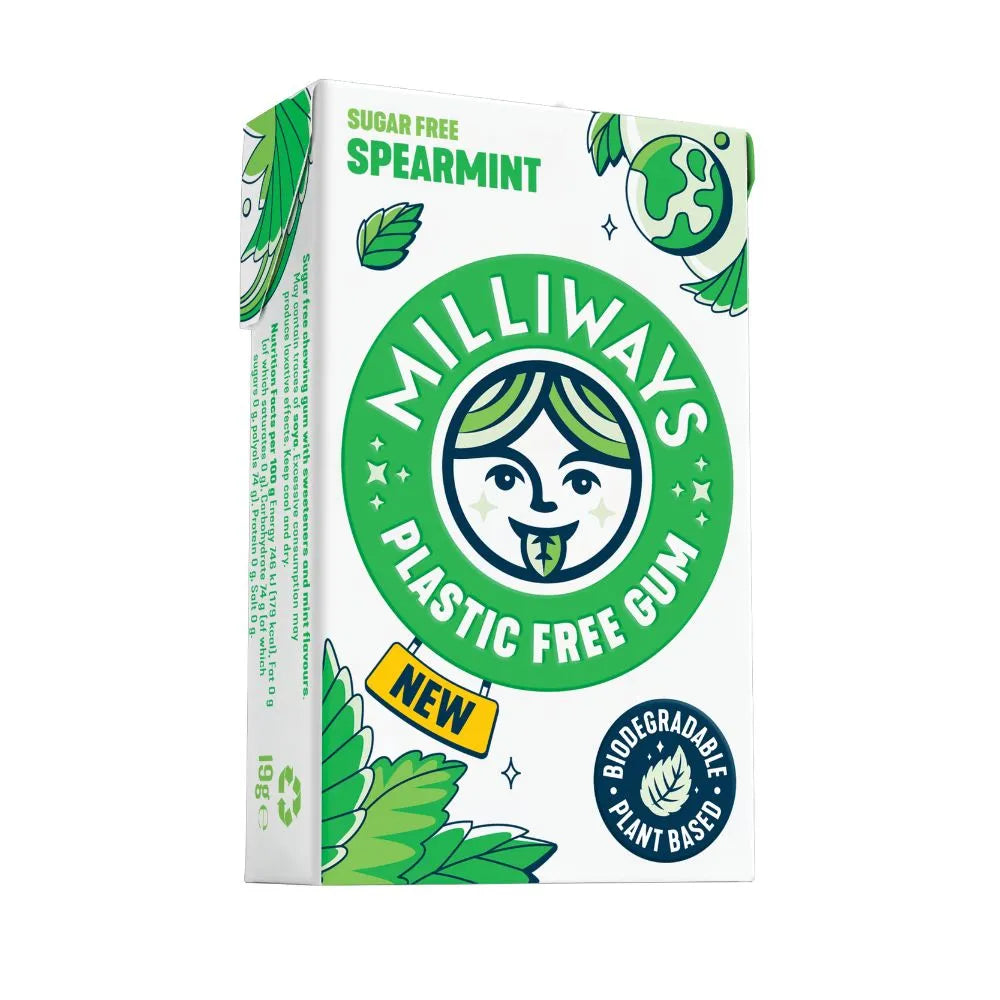
Milliways - Plastic Free Chewing Gum Spearmint 19g
R 47.95
Regular price

Happy Culture - Water Kefir Peach & Lemon 330ml
R 32.95
Regular price
Olgani - Detoxifying Charcoal Toothpaste 75ml
R 164.95
Regular price
Faith in Nature - Shampoo Dragon Fruit 400ml
R 159.95
Regular price
The Eco Gang - Adult Bamboo Toothbrush Medium
R 79.95
Regular price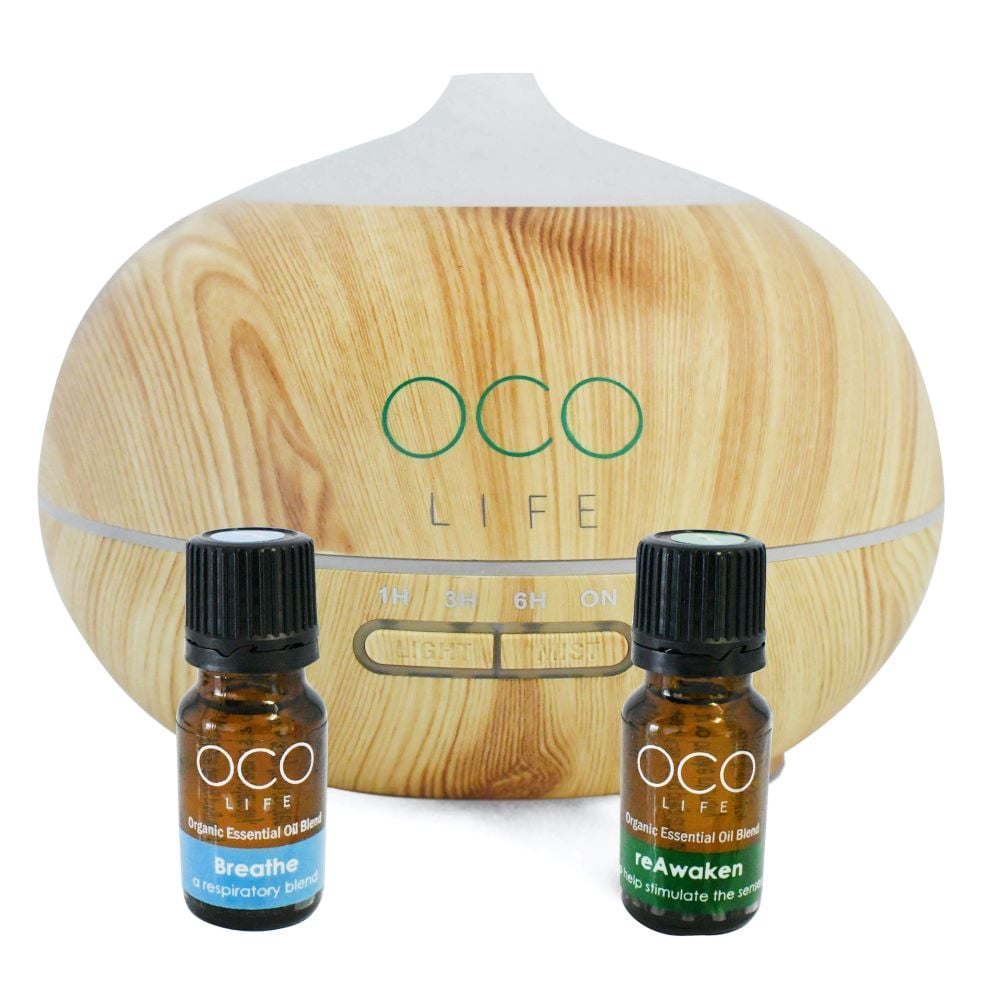
OCO Life - Zen Light Wood Diffuser with 2 Oils
R 649.00
Regular price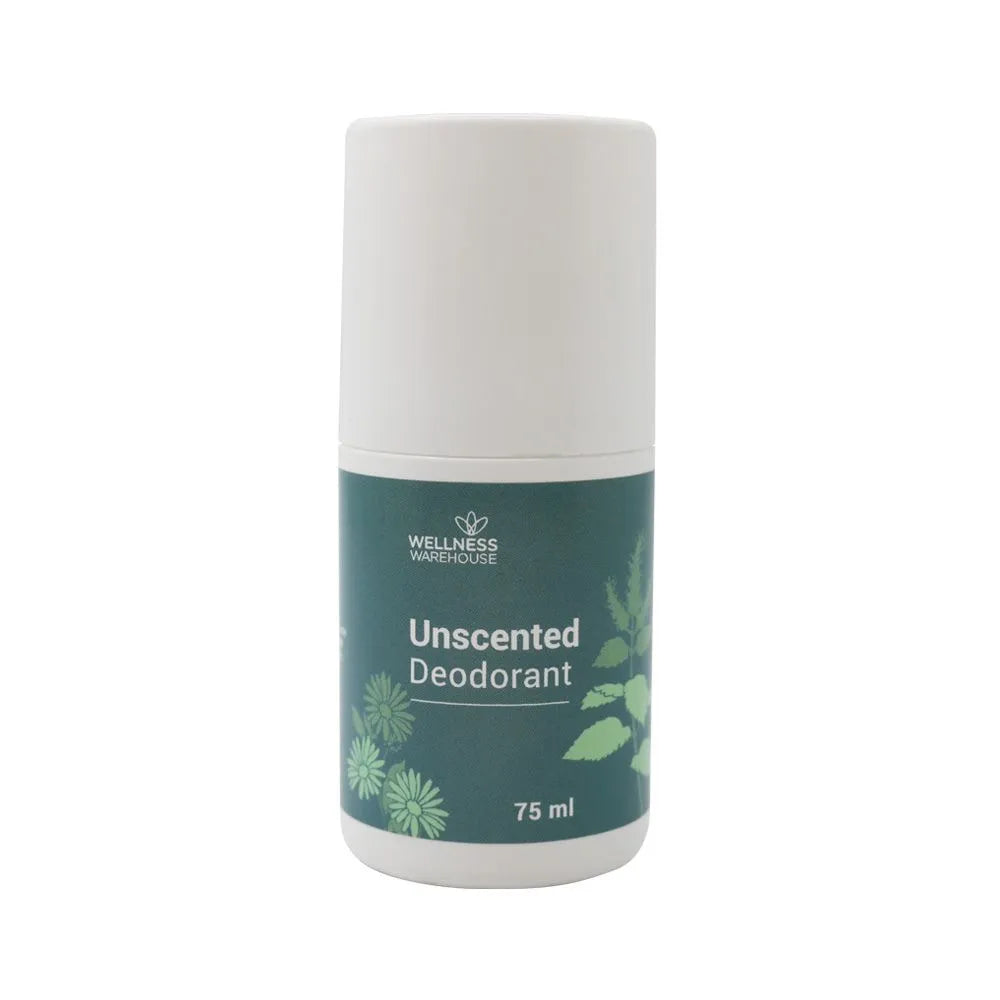
Loyalty Deal
Wellness - Roll-on Unscented 75ml
R 79.95
Regular price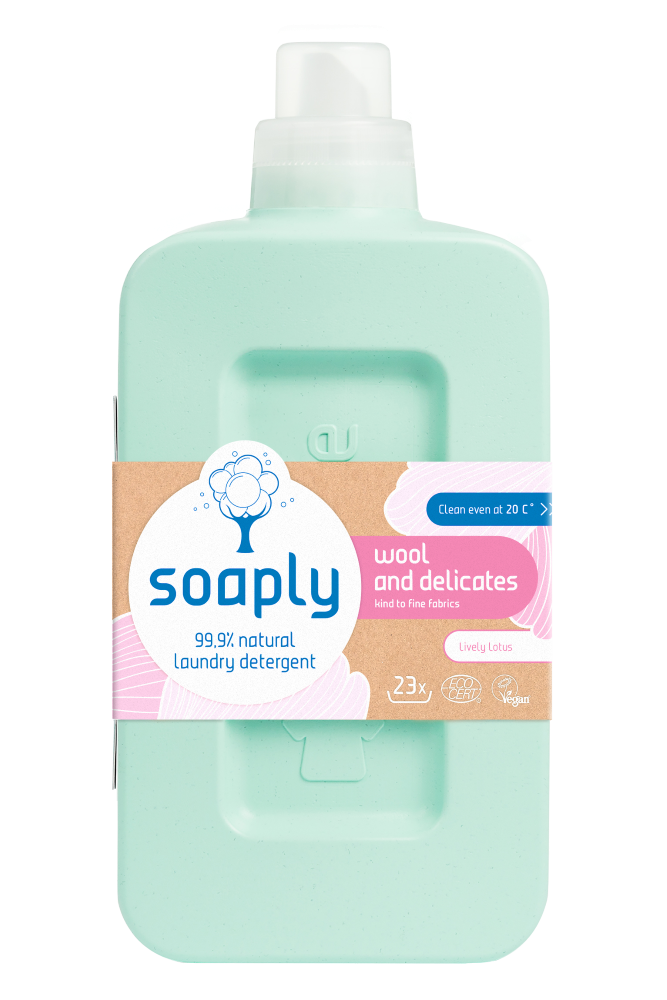
Soaply - Liquid Laundry Detergent Wool Lively Lotus 1L
R 279.95
Regular price


