Cancel

A Holistic Approachto Diabetes A Holistic Approachto Diabetes

11 Aug

A Holistic Approach
to Diabetes

By: Dr Melinda Whitfield

Understanding Type 2 Diabetes

Type 2 diabetes is a chronic condition that develops when the body becomes resistant to insulin, or when the pancreas cannot make enough insulin to keep blood glucose levels in check. Insulin is the hormone that allows sugar from food to enter the body's cells to be used for energy. If the sugar doesn't move from the blood into the cells you can imagine it as a syrupy, firey liquid that then damages all the small blood vessels and nerves throughout the body. It is thought that the damage happens in the 10 years before the diagnosis is made.

This early damaging stage is known as insulin resistance or "pre-diabetes." During this period, blood sugar levels are higher than normal but not yet in the diabetic range. If left unaddressed, this high level of sugar in the blood causes silent damage and after a period the insulin resistance often progresses to full type 2 diabetes.

Causes of Insulin Resistance and Type 2 Diabetes

  • Lifestyle factors: diets high in refined carbohydrates and sugars, sedentary living, poor sleep, and chronic stress.
  • Visceral fat: excess weight, particularly around the abdomen, interferes with insulin signalling.
  • Genetics & family history: certain individuals are more predisposed.
  • Hormonal and metabolic imbalances: including conditions like PCOS, fatty liver disease, or chronic inflammation.
  • Ageing: risk increases with age, though type 2 diabetes is now being seen in younger populations as well.

Conventional Treatment Options

  • Lifestyle modification: the first line of treatment includes improving diet, increasing activity, reducing stress, and prioritising sleep.
  • Medication: such as metformin, GLP-1 receptor agonists, or SGLT-2 inhibitors, which improve insulin sensitivity or reduce blood glucose.
  • Monitoring: regular blood glucose testing, HbA1c checks, and screening for complications (eye, kidney, nerve, heart).
  • Sometimes insulin therapy: if lifestyle and medications no longer maintain glucose control.

While these standard treatments are essential, many people seek complementary and supplementary ways to support their bodies alongside medical care.

Supplements & Complementary Support for Diabetes

The following supplements are not a substitute for prescribed treatment, but may provide additional support in regulating blood sugar, protecting the nerves and blood vessels, and improving overall resilience. Always check with your healthcare provider before adding new supplements.

Blood Sugar Regulation

  • Berberine – a plant alkaloid shown in studies to improve insulin sensitivity and lower blood glucose, sometimes compared to metformin in its effect.
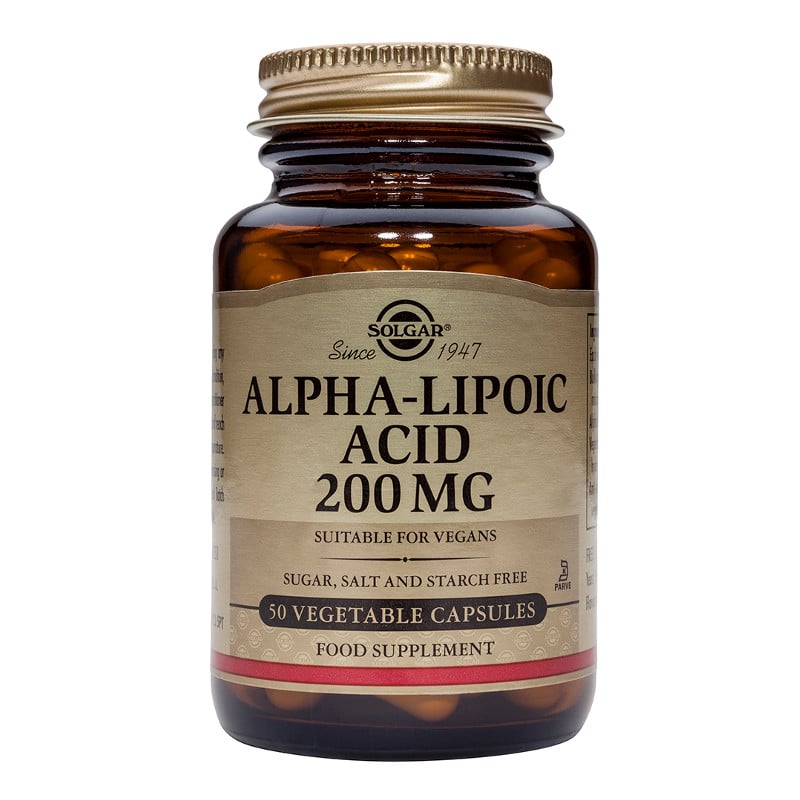
  • Alpha-Lipoic Acid (ALA) – antioxidant that supports mitochondrial function, improves insulin sensitivity, and is especially helpful in reducing nerve pain linked to diabetic neuropathy.
  • Magnesium – low levels are common in people with diabetes; supports glucose metabolism and improves insulin sensitivity.
  • Chromium Picolinate – trace mineral that may help improve the body's response to insulin and support glucose control.
  • Inositol (myo-inositol, D-chiro-inositol) – supports insulin sensitivity, especially where hormonal imbalances or PCOS overlap with diabetes.

Nerve & Neuropathy Support

  • Vitamin B6 – supports nerve function and may help with peripheral neuropathy.
  • Vitamin B12 (methylcobalamin form) – essential for nerve repair; deficiency is common, especially in those taking metformin long term.
  • Acetyl-L-Carnitine – studied for reducing pain and promoting nerve regeneration in diabetic neuropathy.

Heart & Vascular Health

  • Omega-3 fatty acids (fish oil or algae oil) – reduce inflammation, support heart health, and may improve insulin sensitivity.
  • Coenzyme Q10 (CoQ10) – antioxidant that supports mitochondrial health, reduces oxidative stress, and may help with blood pressure control.
  • Vitamin D – deficiency is linked to increased risk of insulin resistance and cardiovascular complications.

Liver & Detox Support

  • Milk Thistle (silymarin) – supports liver health, which is critical in regulating cholesterol, detoxification, and glucose metabolism.
  • N-Acetylcysteine (NAC) – boosts glutathione, the body's master antioxidant, protecting the liver and supporting insulin sensitivity.

Sleep, Stress & Hormonal Balance

  • Glycine – an amino acid that may improve sleep quality and insulin sensitivity.
  • Adaptogens (ashwagandha, rhodiola, holy basil) – help manage stress hormones that worsen blood sugar control.
  • Magnesium glycinate – not only supports insulin sensitivity but also calms the nervous system for better sleep.

Bringing It All Together: Practical, Holistic Support

Managing diabetes is about more than medication—it's about addressing the whole metabolic picture. While supplements can be powerful, they work best when layered onto strong foundations:

  • Prioritise whole foods (non-starchy vegetables, lean proteins, healthy fats, whole fruits/grains).
  • Move daily—walking, strength training, or any enjoyable activity improves insulin sensitivity.
  • Manage stress and sleep—two often overlooked pillars that significantly affect blood glucose.
  • Personalise your approach—what works for one person may not work for another; chat to your doctor, dietician or personal trainer to work out what is the best program for you.

By blending these insights—through thoughtful supplements, balanced nutrition, stress management, and conventional care—you can create a comprehensive plan to support your body with diabetes. Always consult your healthcare provider before starting supplements, as interactions and contraindications must be considered.

ABOUT THE AUTHOR

Dr Melinda Whitfield is a family GP, and co-owner of Health with Heart - a holistic wellness solution that includes a warm-hearted practice in Sandton; bespoke corporate wellness programmes; unique retreats and medical travel experiences; an educational podcast and portal; and a community outreach initiative. For more information or to get in touch, follow @health_w_heart on Instagram or @HealthwithHeartDoctors on Facebook, or visit www.healthwithheart.co.za.


A Holistic Approachto Diabetes A Holistic Approachto Diabetes

11 Aug

A Holistic Approach
to Diabetes

By: Dr Melinda Whitfield

Understanding Type 2 Diabetes

Type 2 diabetes is a chronic condition that develops when the body becomes resistant to insulin, or when the pancreas cannot make enough insulin to keep blood glucose levels in check. Insulin is the hormone that allows sugar from food to enter the body's cells to be used for energy. If the sugar doesn't move from the blood into the cells you can imagine it as a syrupy, firey liquid that then damages all the small blood vessels and nerves throughout the body. It is thought that the damage happens in the 10 years before the diagnosis is made.

This early damaging stage is known as insulin resistance or "pre-diabetes." During this period, blood sugar levels are higher than normal but not yet in the diabetic range. If left unaddressed, this high level of sugar in the blood causes silent damage and after a period the insulin resistance often progresses to full type 2 diabetes.

Causes of Insulin Resistance and Type 2 Diabetes

  • Lifestyle factors: diets high in refined carbohydrates and sugars, sedentary living, poor sleep, and chronic stress.
  • Visceral fat: excess weight, particularly around the abdomen, interferes with insulin signalling.
  • Genetics & family history: certain individuals are more predisposed.
  • Hormonal and metabolic imbalances: including conditions like PCOS, fatty liver disease, or chronic inflammation.
  • Ageing: risk increases with age, though type 2 diabetes is now being seen in younger populations as well.

Conventional Treatment Options

  • Lifestyle modification: the first line of treatment includes improving diet, increasing activity, reducing stress, and prioritising sleep.
  • Medication: such as metformin, GLP-1 receptor agonists, or SGLT-2 inhibitors, which improve insulin sensitivity or reduce blood glucose.
  • Monitoring: regular blood glucose testing, HbA1c checks, and screening for complications (eye, kidney, nerve, heart).
  • Sometimes insulin therapy: if lifestyle and medications no longer maintain glucose control.

While these standard treatments are essential, many people seek complementary and supplementary ways to support their bodies alongside medical care.

Supplements & Complementary Support for Diabetes

The following supplements are not a substitute for prescribed treatment, but may provide additional support in regulating blood sugar, protecting the nerves and blood vessels, and improving overall resilience. Always check with your healthcare provider before adding new supplements.

Blood Sugar Regulation

  • Berberine – a plant alkaloid shown in studies to improve insulin sensitivity and lower blood glucose, sometimes compared to metformin in its effect.
  • Alpha-Lipoic Acid (ALA) – antioxidant that supports mitochondrial function, improves insulin sensitivity, and is especially helpful in reducing nerve pain linked to diabetic neuropathy.
  • Magnesium – low levels are common in people with diabetes; supports glucose metabolism and improves insulin sensitivity.
  • Chromium Picolinate – trace mineral that may help improve the body's response to insulin and support glucose control.
  • Inositol (myo-inositol, D-chiro-inositol) – supports insulin sensitivity, especially where hormonal imbalances or PCOS overlap with diabetes.

Nerve & Neuropathy Support

  • Vitamin B6 – supports nerve function and may help with peripheral neuropathy.
  • Vitamin B12 (methylcobalamin form) – essential for nerve repair; deficiency is common, especially in those taking metformin long term.
  • Acetyl-L-Carnitine – studied for reducing pain and promoting nerve regeneration in diabetic neuropathy.

Heart & Vascular Health

  • Omega-3 fatty acids (fish oil or algae oil) – reduce inflammation, support heart health, and may improve insulin sensitivity.
  • Coenzyme Q10 (CoQ10) – antioxidant that supports mitochondrial health, reduces oxidative stress, and may help with blood pressure control.
  • Vitamin D – deficiency is linked to increased risk of insulin resistance and cardiovascular complications.

Liver & Detox Support

  • Milk Thistle (silymarin) – supports liver health, which is critical in regulating cholesterol, detoxification, and glucose metabolism.
  • N-Acetylcysteine (NAC) – boosts glutathione, the body's master antioxidant, protecting the liver and supporting insulin sensitivity.

Sleep, Stress & Hormonal Balance

  • Glycine – an amino acid that may improve sleep quality and insulin sensitivity.
  • Adaptogens (ashwagandha, rhodiola, holy basil) – help manage stress hormones that worsen blood sugar control.
  • Magnesium glycinate – not only supports insulin sensitivity but also calms the nervous system for better sleep.

Bringing It All Together: Practical, Holistic Support

Managing diabetes is about more than medication—it's about addressing the whole metabolic picture. While supplements can be powerful, they work best when layered onto strong foundations:

  • Prioritise whole foods (non-starchy vegetables, lean proteins, healthy fats, whole fruits/grains).
  • Move daily—walking, strength training, or any enjoyable activity improves insulin sensitivity.
  • Manage stress and sleep—two often overlooked pillars that significantly affect blood glucose.
  • Personalise your approach—what works for one person may not work for another; chat to your doctor, dietician or personal trainer to work out what is the best program for you.

By blending these insights—through thoughtful supplements, balanced nutrition, stress management, and conventional care—you can create a comprehensive plan to support your body with diabetes. Always consult your healthcare provider before starting supplements, as interactions and contraindications must be considered.

ABOUT THE AUTHOR

Dr Melinda Whitfield is a family GP, and co-owner of Health with Heart - a holistic wellness solution that includes a warm-hearted practice in Sandton; bespoke corporate wellness programmes; unique retreats and medical travel experiences; an educational podcast and portal; and a community outreach initiative. For more information or to get in touch, follow @health_w_heart on Instagram or @HealthwithHeartDoctors on Facebook, or visit www.healthwithheart.co.za.
Please log in to add items to your wishlist