Your Home, Your Sanctuary
Simple Ways to Create a Low-Stress Living Space
Our homes are more than places to eat, sleep and store our belongings. The spaces we live in can influence how we feel, think and rest. A calm, thoughtfully arranged home can provide a sense of safety and support emotional wellbeing, while constant clutter, noise and digital distractions can quietly add to everyday stress.
The good news is that creating a more peaceful home does not require a major renovation. Small, mindful changes can make a noticeable difference.
Start by Reducing Visual Clutter
A cluttered environment can make it harder to relax because the brain is continually processing what is around us. Instead of attempting to organise the entire house at once, start with one small area, such as a bedside table, kitchen counter or entranceway.
Try the “one in, one out” approach when bringing new items home, and give frequently used belongings a designated place. Keeping surfaces relatively clear can create an immediate feeling of space and order without demanding a minimalist lifestyle.
Let Light and Nature In
Natural light can help create a brighter, more uplifting atmosphere during the day. Open curtains and blinds whenever possible, and arrange seating or workspaces near windows to make better use of available daylight.
Colour can also affect the atmosphere of a room. Soft greens, warm neutrals, muted blues and other gentle tones can create a more restful feeling than overly bright or visually busy schemes. Indoor plants add another natural element while bringing colour and texture into the home.
Air quality matters too. Opening windows when conditions allow can refresh a room, while an air purifier may be useful in spaces where ventilation is limited.
Create Spaces that Encourage Restoration
Give yourself at least one place in the home that is designed primarily for relaxation. It could be a comfortable reading nook with a soft chair and a warm blanket, a quiet corner for meditation, or simply a favourite spot where you can sit without a screen.
The bedroom deserves particular attention. Keeping it cool, comfortable and relatively uncluttered can help establish an association between the space and rest. Consider making it a screen-free zone, or at least keeping phones and other devices away from the bed.
Engage the Senses
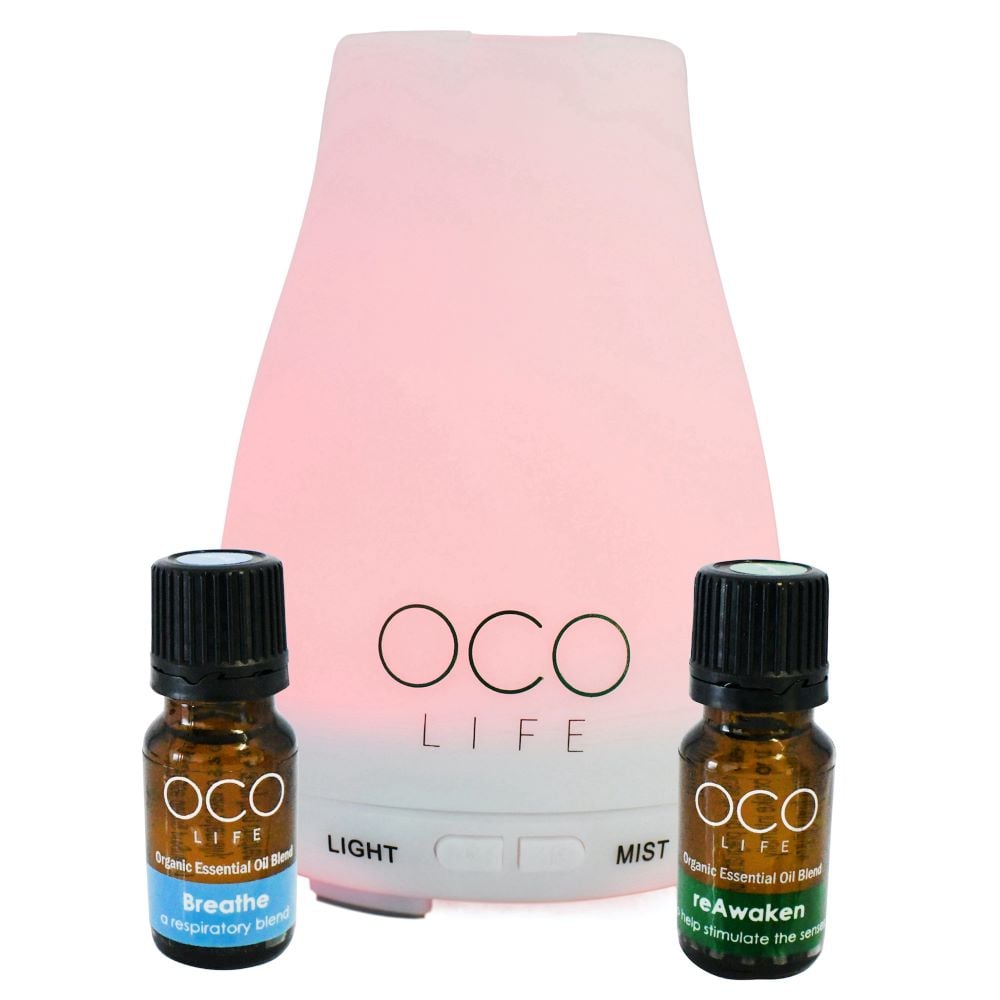
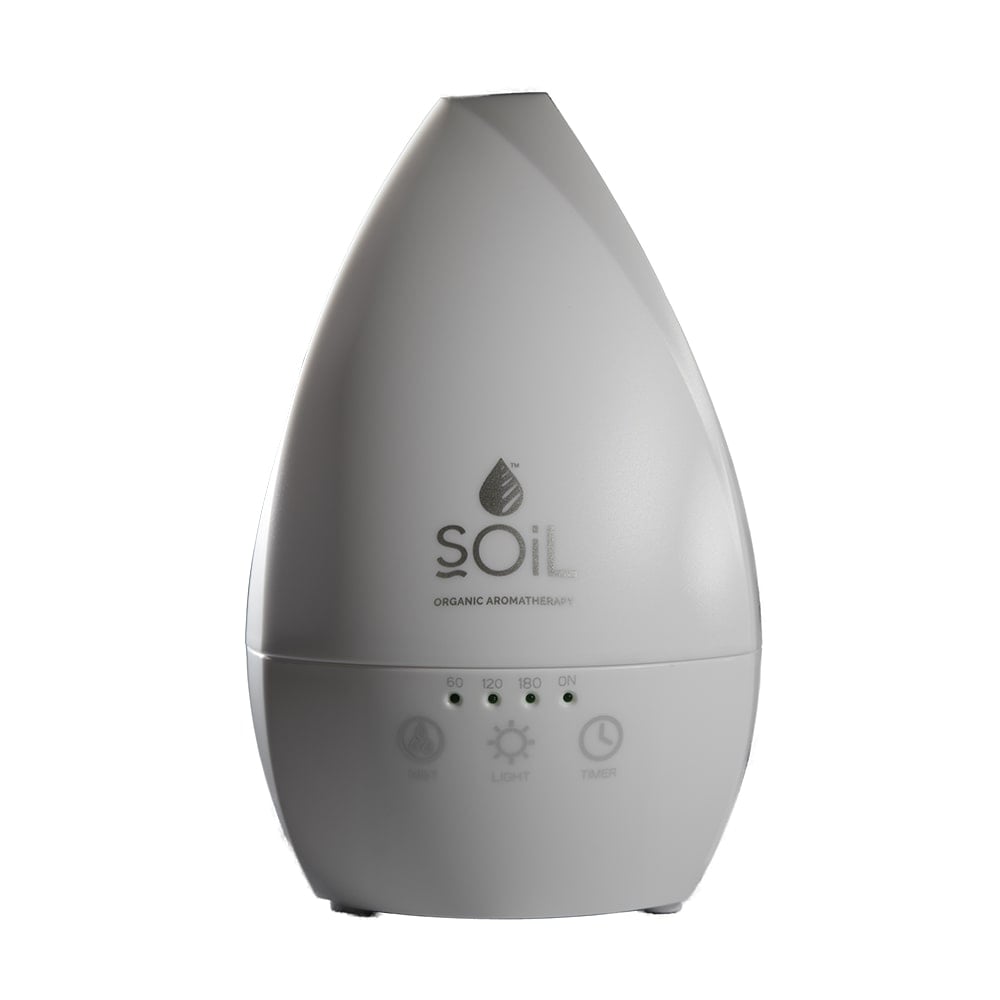
Scent can contribute to the atmosphere of a room. Natural scents such as lavender, bergamot or eucalyptus may help create a relaxing sensory environment. A diffuser, dried botanicals or a naturally scented candle can be incorporated into an evening ritual.
Choose products that suit your household, however, as strong fragrances and essential oils can irritate some people and may not be appropriate around certain pets.
Soft, breathable textiles can also make a room feel more inviting. Cotton, linen, wool and other comfortable natural-feeling fabrics can add warmth and tactile comfort.
Build Simple Calming Rituals
A peaceful home is created not only by how it looks, but by what happens there. Opening the windows in the morning, making a cup of herbal tea, lighting a natural candle in the evening or spending five minutes practising mindfulness can become small signals that help you slow down.
It is equally useful to create technology-free periods. Put phones away during meals, keep notifications to a minimum and consider designating certain areas of the home as screen-free.
You do not need to transform your entire home overnight. Choose one change that feels achievable today. Clear a surface, open a window, create a cosy corner or switch off your devices for an hour. Over time, these small choices can turn your home into something more than a functional space: a sanctuary that supports relaxation, better sleep and a greater sense of balance.