The notion that the gut is the 'second brain' is no longer just a metaphor; it's grounded in emerging scientific evidence revealing a complex and dynamic communication network known as the gut-brain axis. This bidirectional system links our gastrointestinal tract with the central nervous system, impacting not only digestion but also mood, cognitive function, immunity, and overall health.
How the Gut-Brain Axis Works
The gut-brain axis involves multiple communication pathways:

Neuronal signals:
The vagus nerve acts as a high-speed highway, transmitting signals between the gut and brain. Dr. Michael Gershon, known as the 'father of enteric neuroscience,' notes, “The gut has more neurons than the spinal cord, and it communicates directly with the brain via the vagus nerve, influencing mood and stress responses.
Chemical messengers:
Gut cells and microbes produce neurotransmitters such as serotonin and gamma-aminobutyric acid (GABA), which regulate mood and anxiety. Interestingly, about 90% of the body's serotonin is produced in the gut, highlighting its importance in mental health.
Immune signalling:
The gut hosts a large portion of the body's immune system. An imbalance in gut microbes (dysbiosis) can provoke inflammation, releasing cytokines that influence brain function and mood.
Microbiota-produced metabolites:
Short-chain fatty acids (SCFAs) like butyrate, produced during fibre fermentation, modulate inflammation, maintain a healthy gut lining, and support the integrity of the blood-brain barrier.
When the Gut-Brain Axis Falls Out of Sync
Disruption in this communication network (often due to dysbiosis) can lead to a host of issues:

Mood disorders:
Studies link gut imbalance with increased anxiety, depression, and cognitive decline. Dr. John Cryan, a leader in neurogastroenterology, states, 'The microbiome's influence on the brain is profound; when it's disturbed, it can contribute to a range of psychological problems.'
Digestive symptoms and stress:
Conditions like irritable bowel syndrome (IBS) are now viewed as disorders of the gut-brain axis. Stress and poor diet can damage the gut lining, reduce microbial diversity, and perpetuate a cycle of discomfort and mood disturbances.
Inflammation:
Increased intestinal permeability or “leaky gut” allows endotoxins into the bloodstream, creating systemic inflammation linked to depression and neurodegeneration.
The Role of Probiotics in Restoring Balance
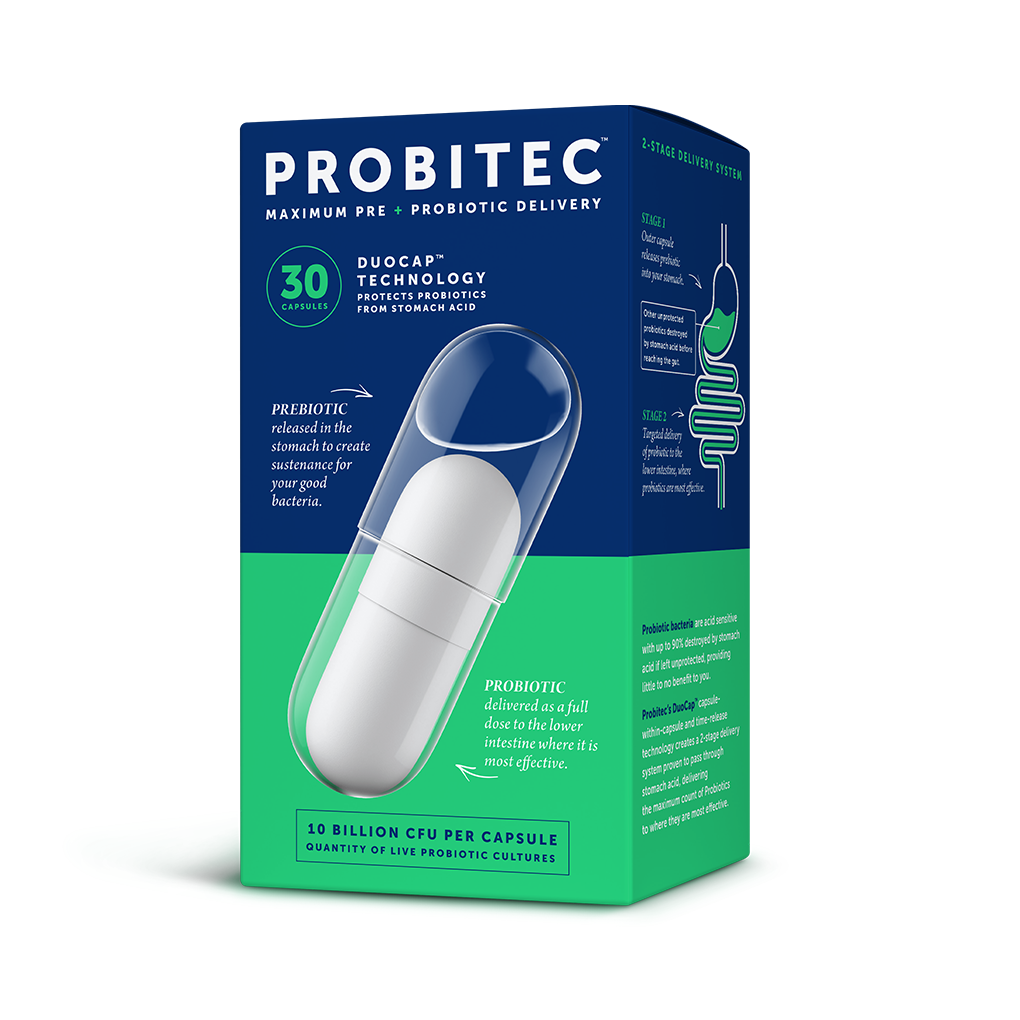
Probiotics are live beneficial microorganisms that support the maintenance of a healthy gut microbiome, which in turn plays a crucial role in the gut-brain axis.
As Dr. Philip Burnet, a psychiatrist with expertise in microbiome research, notes: “Certain probiotic strains have demonstrated anxiolytic and antidepressant-like effects in clinical studies.” For example, strains such as Lactobacillus Helveticus and Bifidobacterium Longum have been shown to positively influence stress responses and mood regulation.
In particular, Lactobacillus Helveticus has been documented to reduce cortisol levels and help alleviate anxiety and depressive behaviours, with trials also indicating mood-enhancing effects.
Bifidobacterium Longum, on the other hand, supports gut barrier integrity and modulates inflammatory processes, which can have a beneficial impact on neural pathways associated with mood and cognitive function.
By strengthening the gut microbiota, these strains can help restore the communication pathways of the gut-brain axis, supporting mental health, resilience, and overall wellbeing.
Prebiotics and their Impact on the Gut-Brain Connection
Prebiotics are non-digestible fibres that act as nourishment for beneficial gut bacteria, promoting their proliferation and activity. During fermentation, these fibres produce short-chain fatty acids (SCFAs), with butyrate being one of the most important for gut-brain health.
As Dr. Emeran Mayer explains, “Butyrate enhances the integrity of the gut barrier, reduces inflammation, and modulates immune responses - effects that extend to influencing brain function and mood.”
Supporting the growth of probiotic strains through prebiotics amplifies SCFA production, which in turn strengthens the gut lining and facilitates effective communication along the gut-brain axis. Advanced prebiotics like tributyrin, a direct butyrate donor that can be taken in supplement form, have demonstrated promising neuroprotective effects in preclinical studies, including reduction of oxidative stress and support of cognitive function.
Maintaining the Gut-Brain Axis for Optimal Health
Emerging research highlights the importance of maintaining a balanced microbiome for mental and physical health. Regular consumption of a diverse, fibre-rich diet, along with targeted probiotic and prebiotic supplementation, helps support beneficial microbes crucial for gut-brain communication. By strengthening this connection, you can support not just digestion, but also mood, cognitive function, and resilience - key components of overall health. Prioritising gut health with science-backed strategies offers a pathway to enhanced well-being from the inside out.