The Hidden Fire Behind Ageing
We all expect a few changes as we grow older. Energy levels shift, recovery takes longer, and the body becomes a little less resilient. But scientists have identified another, less visible factor that may be influencing how we age: a phenomenon known as inflammaging.
"Inflammaging refers to the low-grade, chronic inflammation that develops over time, even in the absence of infection or injury."
Unlike the short-term inflammation that helps us heal after a cut or fight off a virus, inflammaging is subtle, persistent and often goes unnoticed. Yet growing research suggests it may play a role in many age-related conditions, from cardiovascular disease and type 2 diabetes to cognitive decline, arthritis and reduced immune function.
The encouraging news? While ageing is inevitable, many of the lifestyle factors that contribute to inflammaging are within our control.
Why Does Inflammaging Happen?
Inflammation is one of the body's most important defence mechanisms. When you sprain an ankle or catch a cold, your immune system launches an inflammatory response to repair damage and eliminate harmful invaders.
The problem arises when this response never fully switches off.
As we age, several factors can contribute to this chronic inflammatory state. Cells accumulate damage over time, the immune system becomes less efficient, stress hormones remain elevated, gut health may decline, and years of poor sleep, processed foods, environmental toxins and sedentary habits can all add to the body's inflammatory burden.
Researchers also believe that changes in the gut microbiome and increased intestinal permeability ("leaky gut") may allow inflammatory compounds to enter the bloodstream more easily, further fuelling this ongoing cycle.
Signs Your Body May Be Under Inflammatory Stress
Inflammaging doesn't usually present with obvious symptoms. Instead, it may quietly contribute to issues that many people dismiss as "just getting older."
These may include:
-
Persistent fatigue
-
Aching joints or muscles
-
Slower recovery after exercise
-
Brain fog or reduced concentration
-
Poor sleep quality
-
Digestive discomfort
-
Frequent illness or slower healing
While these symptoms can have many causes, chronic inflammation is increasingly recognised as one contributing factor.
Food as Your First Line of Defence
One of the most powerful ways to support healthy ageing is through an anti-inflammatory eating pattern.
Aim to fill your plate with colourful vegetables and fruit, which provide antioxidants that help neutralise free radicals. Healthy fats from olive oil, avocados, nuts, seeds and oily fish provide omega-3 fatty acids, which help regulate inflammatory processes.
Whole grains, legumes and fibre-rich foods nourish beneficial gut bacteria, supporting a healthier microbiome and stronger gut barrier.
At the same time, limiting ultra-processed foods, refined sugars, excessive alcohol and trans fats may help reduce unnecessary inflammatory signals throughout the body.
Herbs and spices such as turmeric, ginger, garlic, rosemary and cinnamon also contain naturally occurring plant compounds that support the body's normal inflammatory balance.
Lifestyle Matters Just as Much
Nutrition is only one piece of the puzzle.
Regular physical activity has consistently been shown to lower markers of chronic inflammation. The goal isn't extreme exercise but rather consistent movement - walking, swimming, cycling, yoga or strength training all offer benefits.
Sleep is another essential pillar. During deep sleep, the body performs many of its repair and recovery processes. Chronic sleep deprivation, on the other hand, has been linked to increased inflammatory markers.
Stress management is equally important. Long-term psychological stress keeps cortisol and inflammatory pathways activated. Practices such as meditation, breathwork, spending time in nature and meaningful social connection can help restore balance to the nervous system.
Maintaining a healthy body weight and avoiding smoking are also key strategies for reducing inflammatory load over the long term.
Can Supplements Help?
While supplements cannot replace a healthy lifestyle, certain nutrients may complement an anti-inflammatory approach when used appropriately.
Omega-3 fish oils remain among the most well-researched nutrients for supporting a healthy inflammatory response. Curcumin, the active compound in turmeric, has also been extensively studied for its role in supporting joint health and inflammatory balance, particularly when formulated for enhanced absorption.
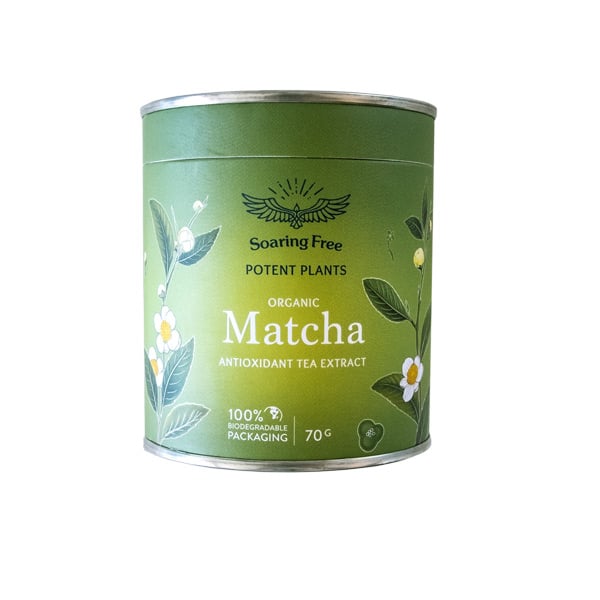
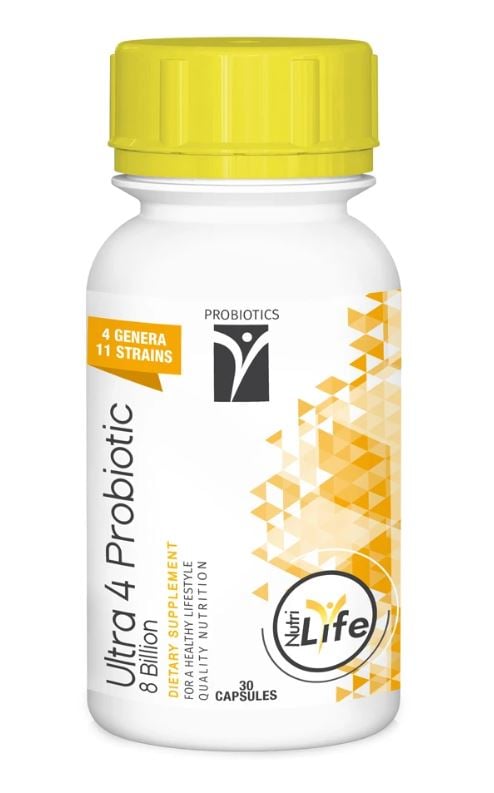
Vitamin D is essential for healthy immune regulation, while probiotics may help support gut health and microbial diversity. Polyphenol-rich extracts from foods such as green tea, berries and pomegranates are also being explored for their antioxidant and anti-inflammatory properties.
As with any supplement, it's best to seek guidance from a qualified healthcare practitioner, particularly if you have existing medical conditions or take prescription medication.
Age Well, Live Well
Inflammaging reminds us that healthy ageing isn't simply about adding years to life - it's about supporting the body's ability to function well throughout those years.
The choices we make every day - what we eat, how we move, how well we sleep and how we manage stress - can collectively influence our body's inflammatory balance over time.
While we cannot stop the ageing process, we can help create an internal environment that supports vitality, resilience and wellbeing for years to come. Sometimes, the most powerful changes begin by quietly reducing the hidden fire within.