Menopause has often been seen as a sentence - something to simply endure and wait out.
The transition begins when the ovaries reduce their production of reproductive hormones and is usually identified when a person has gone 12 consecutive months without a period.
With the change of hormone production, many women experience significant discomfort. Without progesterone and estrogen being produced by your ovaries, your body will never work in quite the same way.
Outside of its role in reproduction, estrogen influences how calcium is absorbed, maintains cholesterol levels, promotes cognitive function, and sustains sexual desire. So, during and after menopause, women can face an increased risk of osteoporosis, Alzheimer’s disease, sleep apnoea, autoimmune disease, and heart disease.
It may sound scary, but knowing what you can possibly expect is the first step to avoiding these health challenges.
"Every woman has heard about the woes of menopause, but few know how to adjust their wellness habits to enjoy greater health for this next life stage."
If you are perimenopausal, recent cutting-edge advancements in women’s health have shown that you can potentially slow down ovarian ageing and preserve ovarian function for longer periods.
One approach considers ovarian tissue cryopreservation and later transplantation to delay menopause. Another is testing the use of the immunosuppressant drug Rapamycin to slow down ovarian ageing.
Should you already be facing menopause, hormone replacement therapy has seen significant progress, with many physicians recommending early adoption for optimal benefits. Treatment should be tailored to your individual needs and symptoms, and more advanced diagnostic tools are currently being developed.
Outside of medical procedures, there is evidence that certain supplements, foods, and lifestyle changes may also support wellbeing during perimenopause and menopause:
-
Eating a low-glycaemic diet can keep your blood sugar stable and reduce unnecessary inflammation.
-
As your metabolism naturally slows with age, energy levels, inflammation, and hormone balance can all be affected. Prioritising protein is important, and don’t forget about fibre!
-
Including more citrus fruits, blackcurrants, and strawberries, as well as nuts and seeds in your diet to boost your vitamin C and E intake can further protect your cells from damage and neutralise free radicals, while also keeping blood vessels dilated.
-
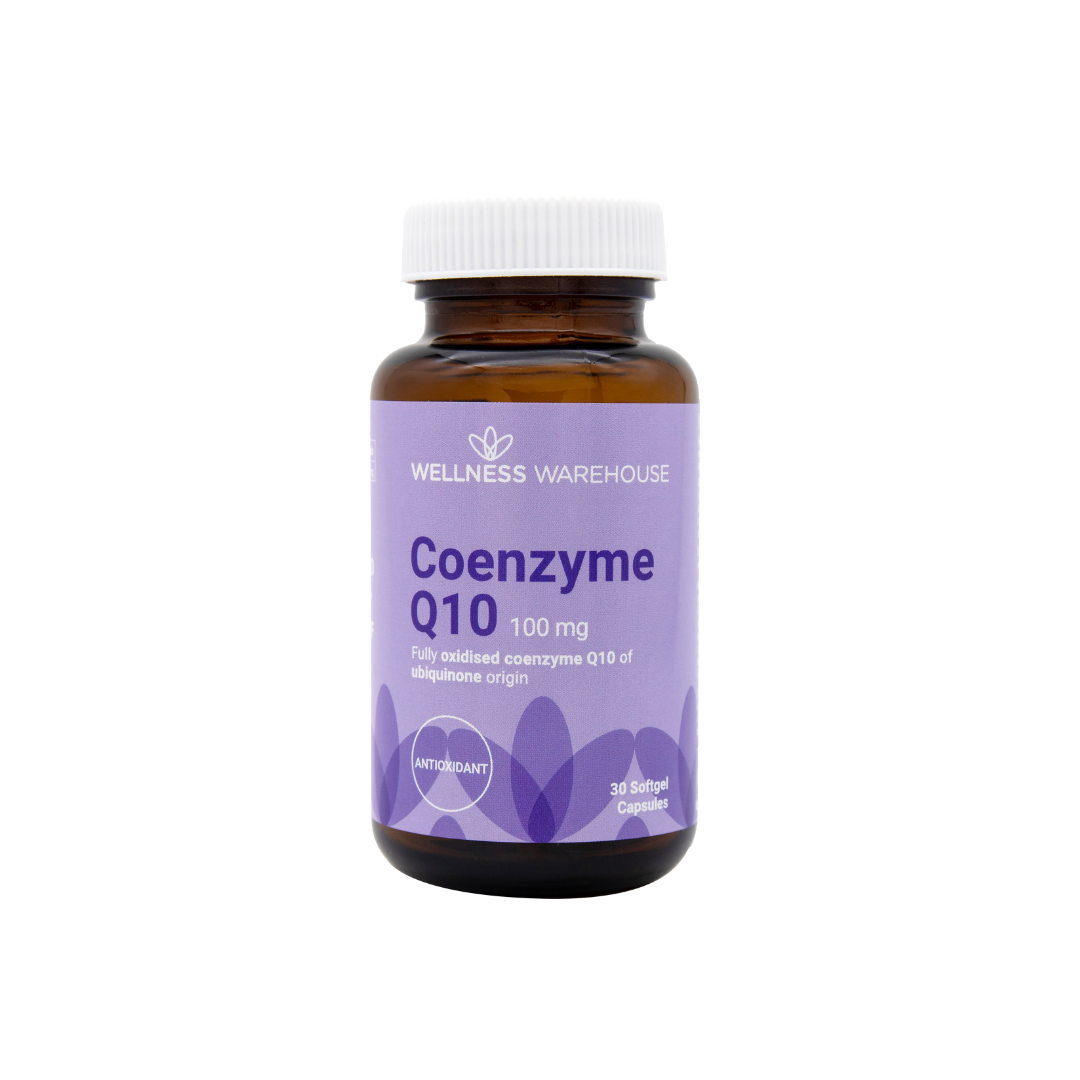
Supplementing with Coenzyme Q10 may protect your cells from oxidative stress and provide greater energy for them to regenerate.
-
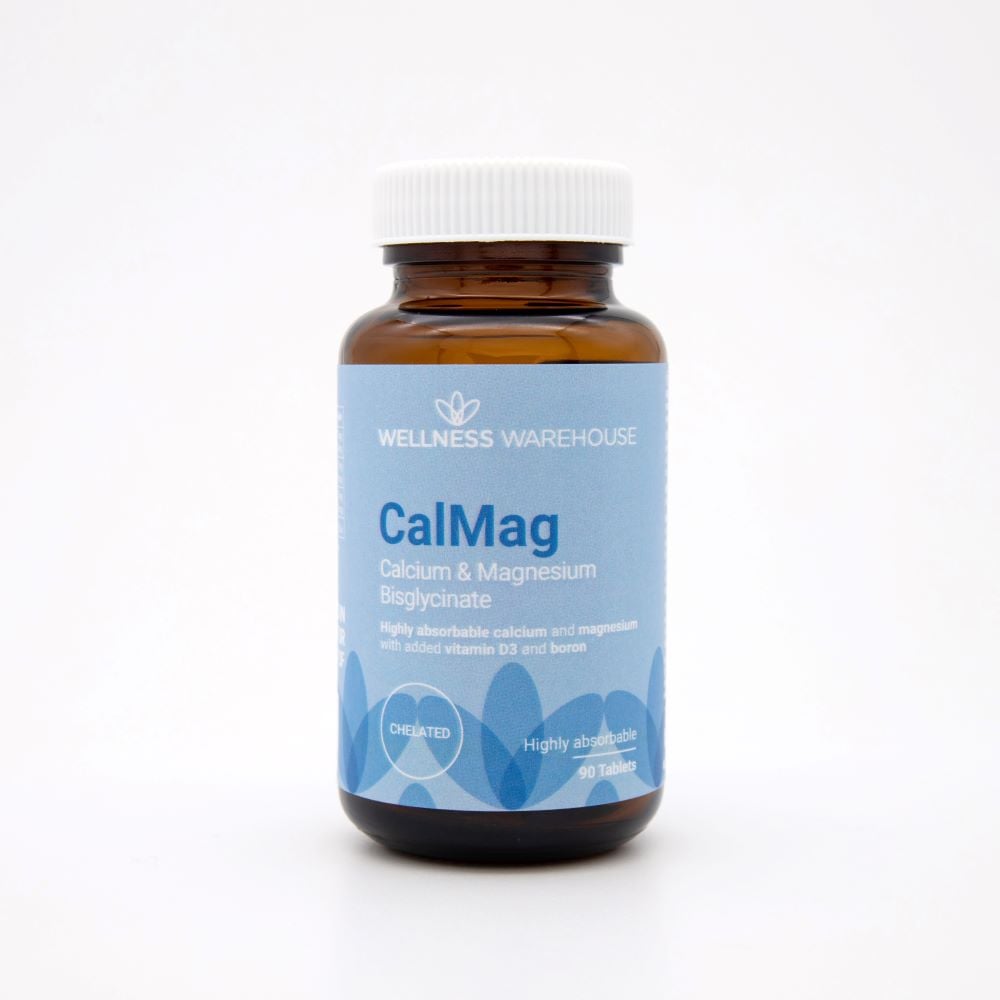
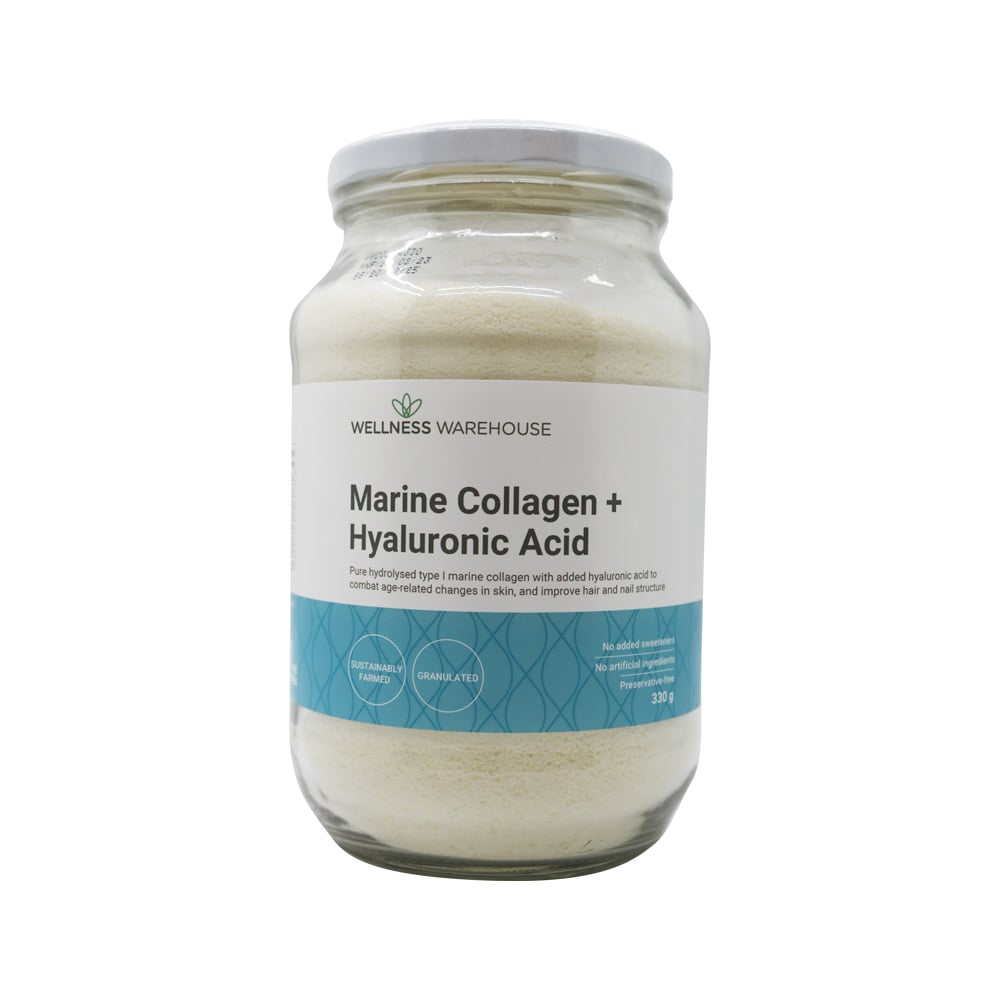
Calcium, vitamin D, and collagen work together to reduce bone density loss, and have the added benefit of promoting hair growth and skin elasticity.
-
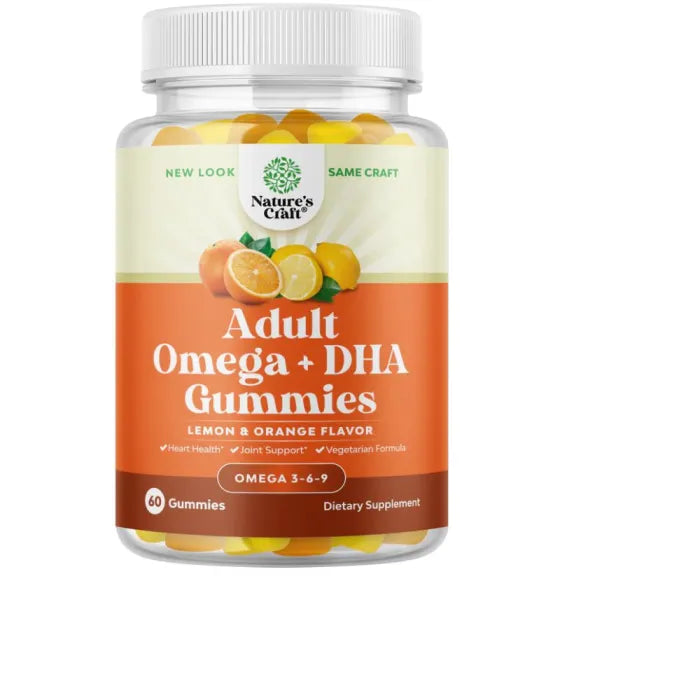
Omega-3 fatty acids reduce blood pressure and triglyceride levels to promote greater cardiovascular health.
-
Getting plenty of exercise can also help improve overall blood flow.
-
Including weightlifting in your workout routine can promote bone health.
-
Prioritising mental health can make all the difference during this transitional phase. From psychological support to journaling, meditation, mindfulness, and breathwork, discover what works for you and stick with it.
-
Now, more than ever, is important for you to create a reliable sleep hygiene routine and trial natural ways to improve your sleep quality.
-
Schedule annual wellness checks and get tested so that you can use the results to modify your priorities and habits. Information is key to transformation!