When we think about skin ageing, we often blame the usual suspects: sunshine, sugar, stress, and perhaps the occasional late night. But modern life has introduced a new wave of daily skin stressors that many people underestimate.
Hours spent in front of screens. Urban air pollution. Indoor heating and air conditioning. Chronic stress. Poor sleep. Constant environmental exposure.
While none of these factors alone determine your skin’s future, together they can place the skin under ongoing pressure - contributing to dullness, dehydration, sensitivity, breakouts, and premature visible ageing.
"Healthy skin is not only about what you apply topically. It is also a reflection of how well the body is coping with the environment around it."
Your First Line of Defence
The skin is more than a cosmetic surface. It is the body’s largest organ and acts as a protective barrier between you and the outside world.
It helps regulate temperature, prevents excessive water loss, houses beneficial microbes, and shields deeper tissues from irritants and pathogens.
When that barrier becomes compromised by repeated stress, the skin may become more reactive, inflamed, dry, or prone to imbalance.
Think of resilient skin as strong skin - not necessarily perfect skin.
The Blue Light Conversation
Blue light is a high-energy visible light emitted naturally by the sun and artificially by digital devices such as phones, tablets, laptops, and LED lighting.
Compared with UV exposure, the amount emitted from screens is far lower. This means blue light from devices is unlikely to be the single biggest driver of skin ageing.
However, prolonged screen-heavy lifestyles may still contribute in indirect ways.
Some emerging research suggests high-energy visible light may generate oxidative stress in skin cells, particularly with cumulative exposure. More significantly, excessive evening screen time can disrupt sleep quality by influencing melatonin production - and poor sleep is well known to affect skin repair, hydration, and radiance.
In simple terms: your screen may be impacting your skin as much through your sleep as through the light itself.
Pollution and Oxidative Stress
Air pollution is a more established skin concern.
Particles from traffic emissions, smoke, industrial pollutants, and environmental debris can settle on the skin and contribute to oxidative stress - an imbalance between free radicals and the body’s ability to neutralise them.
This may weaken the skin barrier, aggravate inflammation, worsen pigmentation concerns, and accelerate visible ageing over time.
Those living in busy urban environments may notice skin that feels congested, irritated, or dull, particularly when cleansing and barrier support are neglected.
Other Overlooked Skin Stressors
Modern skin stress is rarely caused by one factor. It is often cumulative.
Indoor Climate Control
Air conditioning and heating can dry the air, increasing transepidermal water loss and leaving skin dehydrated or tight.
Chronic Stress
Stress hormones can influence oil production, inflammation, collagen breakdown, and common flare-ups such as acne, eczema, or rosacea.
Poor Nutrition
Highly processed diets low in antioxidants, healthy fats, minerals, and protein may reduce the nutrients needed for skin repair and resilience.
Lack of Sleep
During sleep, the body carries out key restorative processes that support skin regeneration and recovery.
How to Support Skin Naturally
The good news is that skin responds beautifully to consistent care.
Protect the Barrier
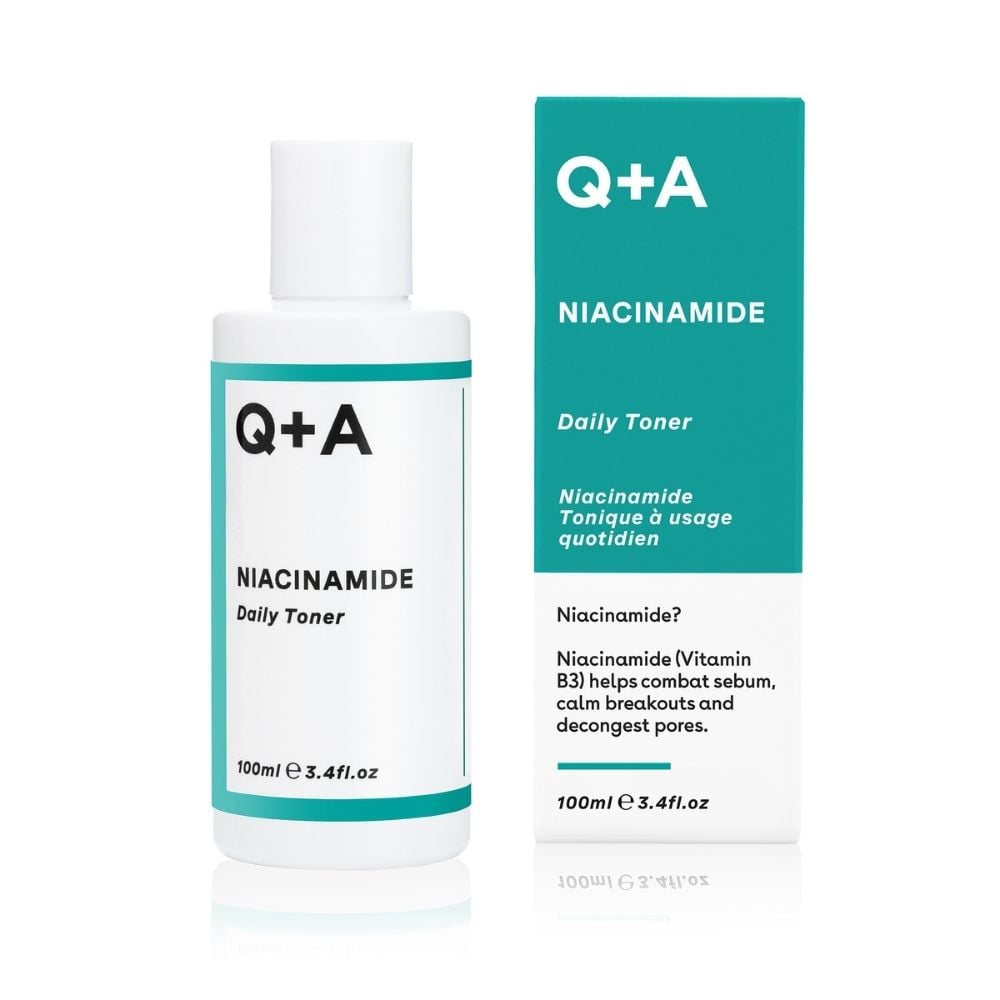
Use gentle cleansers, avoid over-exfoliating, and moisturise regularly. Ingredients such as ceramides, hyaluronic acid, glycerin, squalane, and niacinamide can help support hydration and barrier strength.
Wear Daily SPF
Sun exposure remains one of the most significant external drivers of premature ageing. Broad-spectrum sunscreen is still one of the smartest skin investments you can make.
Cleanse Well at Night
Removing pollution particles, sunscreen, sweat, and makeup helps reduce the burden on skin overnight.
Eat for Skin Health
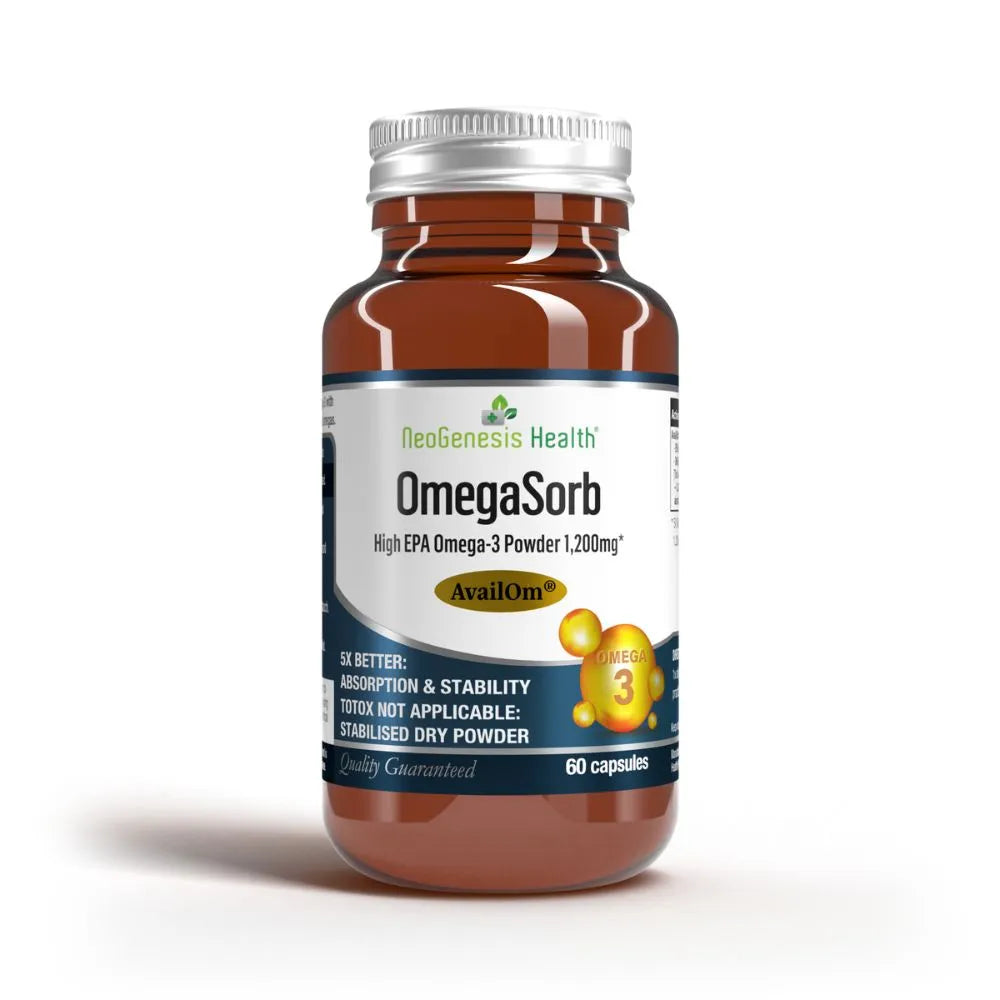
Prioritise colourful fruit and vegetables, omega-3-rich foods, nuts, seeds, hydration, and adequate protein. These provide antioxidants and building blocks for healthy skin structure.
Support Sleep Hygiene
Reduce late-night screen use, dim lights in the evening, and prioritise restorative sleep whenever possible.
Consider Internal Support
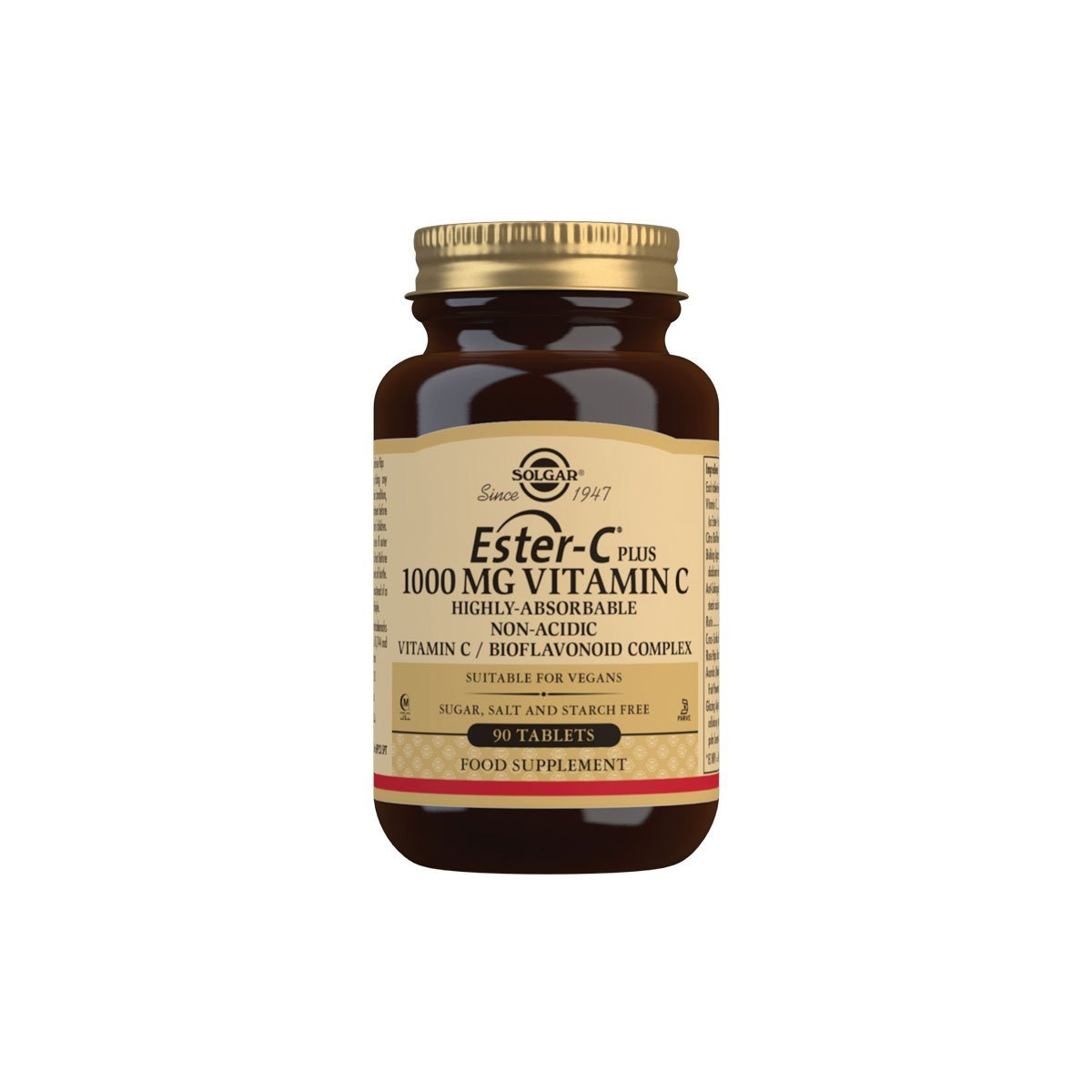
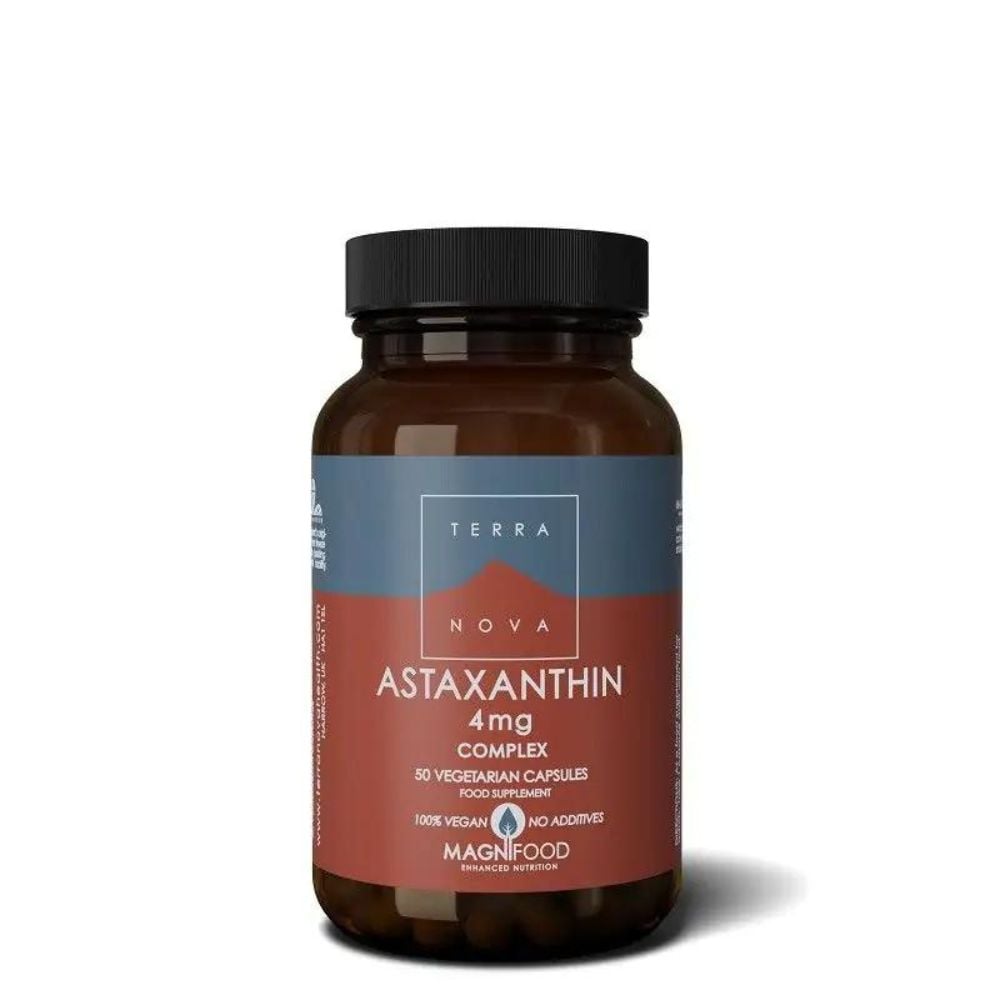
Depending on individual needs, nutrients such as collagen peptides, vitamin C, zinc, omega-3s, astaxanthin, and polyphenol-rich botanicals may complement a healthy skincare routine.
The Bigger Picture
Blue light and pollution are real parts of modern living, but they are not reasons to panic. Skin health is rarely determined by one screen session or one commute.
Instead, think in terms of total load: daily habits, environmental exposure, nutrition, sleep, stress, and skincare consistency.
Your skin does not need perfection. It needs protection, nourishment, and recovery.
In a modern world full of invisible stressors, gentle daily support often makes the most visible difference.