Strong for Life: Why Muscle Is the New Measure of Healthy Ageing
For decades, conversations around health have been dominated by weight. We have been encouraged to watch the number on the scale, reduce body fat, and pursue smaller bodies as a marker of wellbeing. But the conversation around longevity is changing.
Increasingly, the focus is shifting from simply weighing less to maintaining something far more valuable: muscle.
Muscle is not only about strength or appearance. It is metabolically active tissue that supports movement, balance, bone health, glucose regulation, and our ability to remain independent as we age. Preserving it is increasingly recognised as an important part of supporting healthspan, the years of life spent feeling capable, mobile, and well.
Why Muscle Matters More With Age
From around our 30s, muscle mass and strength can gradually decline, particularly if we are inactive. As we get older, this loss can accelerate, contributing to reduced mobility, greater frailty, and an increased risk of falls.
For women, the transition through perimenopause and menopause adds another layer. Hormonal changes, particularly declining oestrogen, are associated with shifts in body composition, bone density, insulin sensitivity, and muscle health. This makes midlife an important time to reconsider what “staying healthy” looks like.
Instead of focusing exclusively on eating less or losing weight, the goal can become building a body that is strong, well nourished, and metabolically resilient.
Four areas are becoming particularly important.
1. Make Resistance Training a Priority
Walking, running, and other cardiovascular activities remain valuable, but resistance training provides a stimulus the body needs to maintain and build muscle.
Weights, resistance bands, machines, and bodyweight exercises can all count. The aim is to progressively challenge the muscles over time, with a programme appropriate to your fitness level and abilities.
The benefits extend beyond muscle. Resistance exercise can also support bone health, balance, physical function, and metabolic health, making it an important component of a well-rounded longevity routine.
2. Rethink Protein
Protein provides the amino acids required to repair and maintain muscle tissue. As we age, our muscles may become less responsive to smaller amounts of protein, making both total intake and how protein is distributed throughout the day worth considering.
Rather than saving most of your protein for dinner, include a quality protein source at breakfast, lunch, and dinner. Eggs, fish, poultry, dairy, tofu, tempeh, legumes, nuts, and seeds can all contribute.
Individual protein needs vary, particularly according to age, body size, activity levels, and health status, so personalised guidance can be helpful.
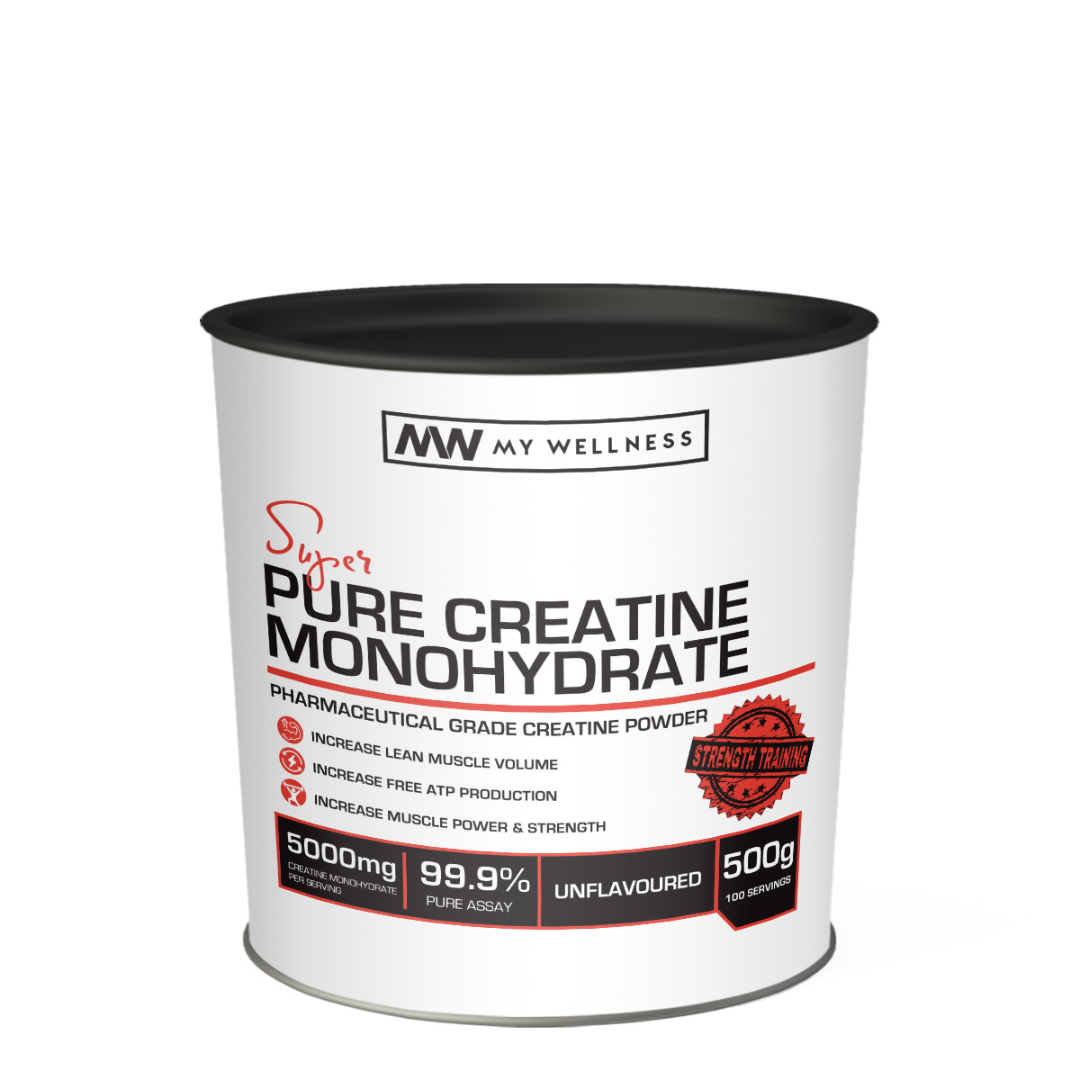
3. Consider Creatine
Once associated primarily with bodybuilding, creatine is becoming increasingly relevant in conversations about healthy ageing.
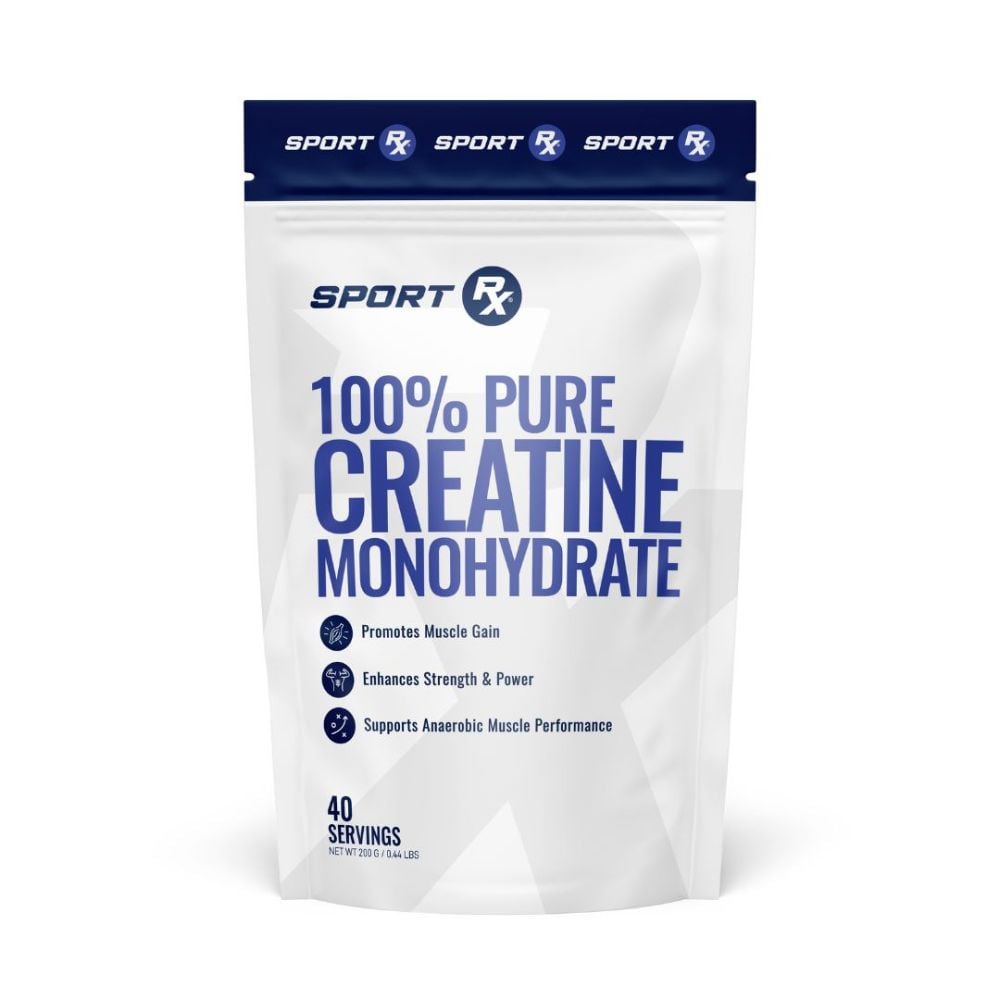
Creatine helps muscles rapidly produce energy during high-intensity activity and can support improvements in strength and lean mass when combined with resistance training. Research is also exploring its potential benefits for older adults and women, including during and after menopause.
Creatine monohydrate is the most extensively studied form, but supplementation should still be considered in the context of individual health needs and discussed with a healthcare professional where appropriate.
4. Think Metabolic Health, Not Just Body Weight
A scale cannot tell you how strong you are, how much muscle you carry, or how effectively your body manages glucose.
That is why longevity strategies are increasingly looking beyond weight towards markers of metabolic health, including blood glucose regulation, blood pressure, blood lipids, waist circumference, fitness, sleep, and body composition.
Muscle plays an important role here because it is one of the body's major sites for glucose disposal. Maintaining and regularly using muscle can therefore contribute to better metabolic function.
A Stronger Definition of Ageing Well
Healthy ageing is not simply about living longer. It is about preserving the strength and capacity to participate fully in those extra years.
The new longevity conversation is less about becoming smaller and more about becoming stronger, better nourished, and more resilient. For women approaching or moving through menopause, that shift can be particularly valuable.
The question may no longer be, “How much do I weigh?”
A more useful one could be: "What am I doing today to stay strong for the decades ahead?"