Brain Health 101
Your brain is the command centre of your entire body. It governs how you think, feel, move, remember, focus, sleep and respond to stress. Yet despite its extraordinary complexity and importance, brain health is often only considered when something goes wrong. Brain Awareness Month, observed each June, offers a timely reminder that cognitive wellbeing is something we can actively support every day, through nutrition, lifestyle, and mindful habits that protect and nourish the nervous system over the long term.
What Does “Brain Health” Really Mean?
Brain health isn’t just about avoiding neurodegenerative disease. It encompasses mental clarity, emotional regulation, memory, learning, mood stability, resilience to stress and even creativity. A healthy brain adapts well to change, recovers more easily from stress, and maintains strong connections between neurons, a process known as neuroplasticity.
Encouragingly, the brain remains responsive to lifestyle choices throughout life, meaning small, consistent actions can make a meaningful difference.
Nutrition for Cognitive Vitality
The brain accounts for only about 2% of body weight, yet it uses roughly 20% of the body’s energy. What you eat directly influences how well it functions. Diets rich in whole, unprocessed foods provide the nutrients required for neurotransmitter production, cellular repair and inflammation control.
Healthy fats are particularly important. Omega-3 fatty acids, found in fatty fish, walnuts, flaxseeds and chia seeds, support the structure of brain cell membranes and efficient communication between neurons.
Antioxidant-rich foods such as berries, dark leafy greens, herbs, spices and cacao help protect brain tissue from oxidative stress, a key contributor to cognitive decline.
Stable blood sugar is another critical factor. Diets high in refined carbohydrates and added sugars can contribute to brain fog, poor concentration and energy crashes.
Choosing fibre-rich carbohydrates, adequate protein and healthy fats supports steady glucose delivery to the brain, enhancing focus and mental stamina.
Supplementation: Supporting the Brain When Life Demands More
While food and lifestyle form the foundation of brain health, targeted supplementation can play a supportive role, particularly during periods of high stress, cognitive load, ageing or recovery. Supplements are not a replacement for healthy habits, but when used thoughtfully, they can help address nutritional gaps and support optimal brain function.
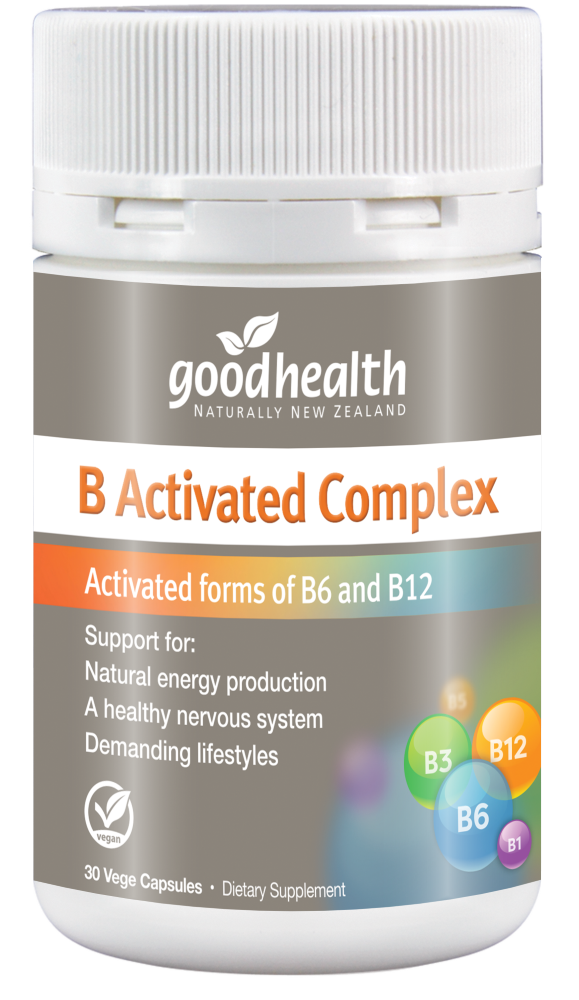
B vitamins are essential for energy metabolism, neurotransmitter synthesis and nervous system health. Vitamin B12 is especially important for memory and concentration, and deficiencies are relatively common, particularly among older adults, vegetarians and those experiencing chronic stress.
Omega-3 supplementation may benefit individuals who do not consume sufficient fatty fish, providing DHA, a key structural fat in brain tissue. Magnesium supports nervous system regulation, stress resilience and sleep quality, all of which are fundamental to cognitive performance.
Certain amino acids, such as L-theanine, are often used to promote calm focus without sedation, while choline supports the production of acetylcholine, a neurotransmitter involved in learning and memory. Herbal extracts and adaptogens are also commonly used to support mental clarity and stress adaptation, though individual suitability varies. As with all supplements, quality and personalised guidance from a qualified healthcare practitioner are essential.
Lifestyle Habits That Shape the Brain
Sleep is non-negotiable for brain health. During deep sleep, the brain clears metabolic waste, consolidates memory and regulates emotional processing. Chronic sleep deprivation is associated with impaired cognition, mood disorders and increased risk of neurodegenerative conditions.
Movement is equally important. Regular physical activity improves blood flow to the brain and stimulates the release of brain-derived neurotrophic factor (BDNF), which supports neuroplasticity. Even moderate exercise, such as walking or yoga, has been shown to enhance memory and mood.
Chronic stress, on the other hand, can impair memory and emotional regulation through prolonged cortisol exposure. Mindfulness practices, breathwork, time in nature and meaningful social connection all help regulate the nervous system and protect cognitive wellbeing.
A Lifelong Investment
Brain health is not a destination, but an ongoing relationship. By nourishing your brain with supportive nutrition, appropriate supplementation, restorative sleep, regular movement and stress regulation, you invest in clarity, resilience and quality of life.
Let this Brain Awareness Month be an invitation to care for your brain with intention. A healthy brain doesn’t just support a healthy body, it shapes how fully and vividly you experience your life.