In South Africa, we have hot summers, cold winters, and everything in between – and each season offers a unique opportunity to realign our health, energy, and habits.
Seasonal syncing is a concept in which you align your lifestyle and activities with the natural rhythms and phases of the seasons to optimise your physical and mental well-being.
Key Lifestyle Principles
Summer: Focus on energy and socialising. Enjoy outdoor activities and consume hydrating, nutrient-rich foods.
Autumn: Prioritise reflection and preparation. Engage in activities that promote relaxation and introspection. Start to slow down.
Winter: Focus on nourishment, rest, and self-care. Prioritise warm, comforting foods and gentle exercise.
Spring: Emphasise renewal, detoxification, and growth. Incorporate fresh, seasonal foods, and engage in activities that promote vitality.
Benefits of Seasonal Syncing
- Improved physical and emotional health
- Enhanced mental well-being
- Increased productivity
- Increased creativity
Nutritional Choices and Supplement Suggestions
Summer
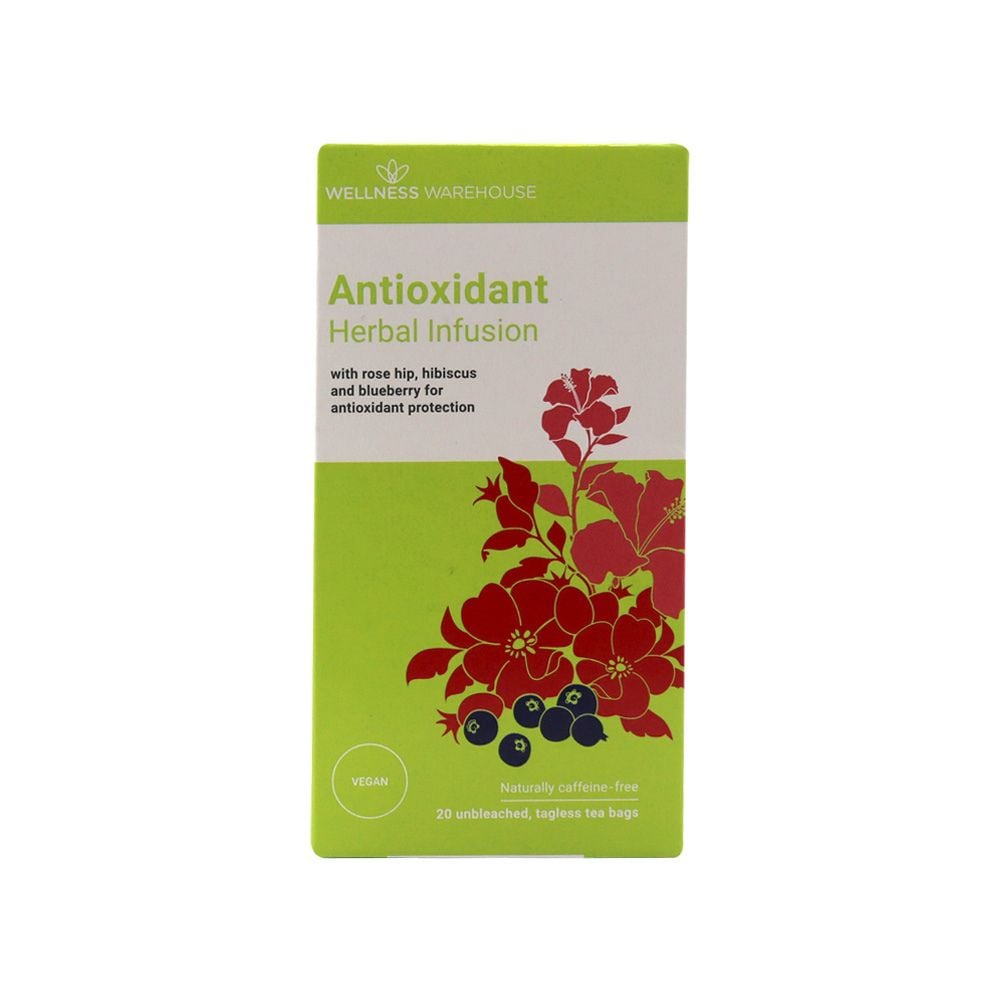
- Antioxidant-rich foods, like berries, tomatoes, and bell peppers to combat oxidative stress.
- Sour foods, which tend to cool us down. Think lemon water and hibiscus tea.
- Incorporate more hydrating foods (like cucumbers, strawberries, watermelon, and celery) and cooling herbs (mint, rose, lemon balm, and chamomile).
- Supplements: add antioxidants like vitamins C and E, selenium, resveratrol, and CoQ10. Adaptogenic herbs may help reduce stress and support energy.
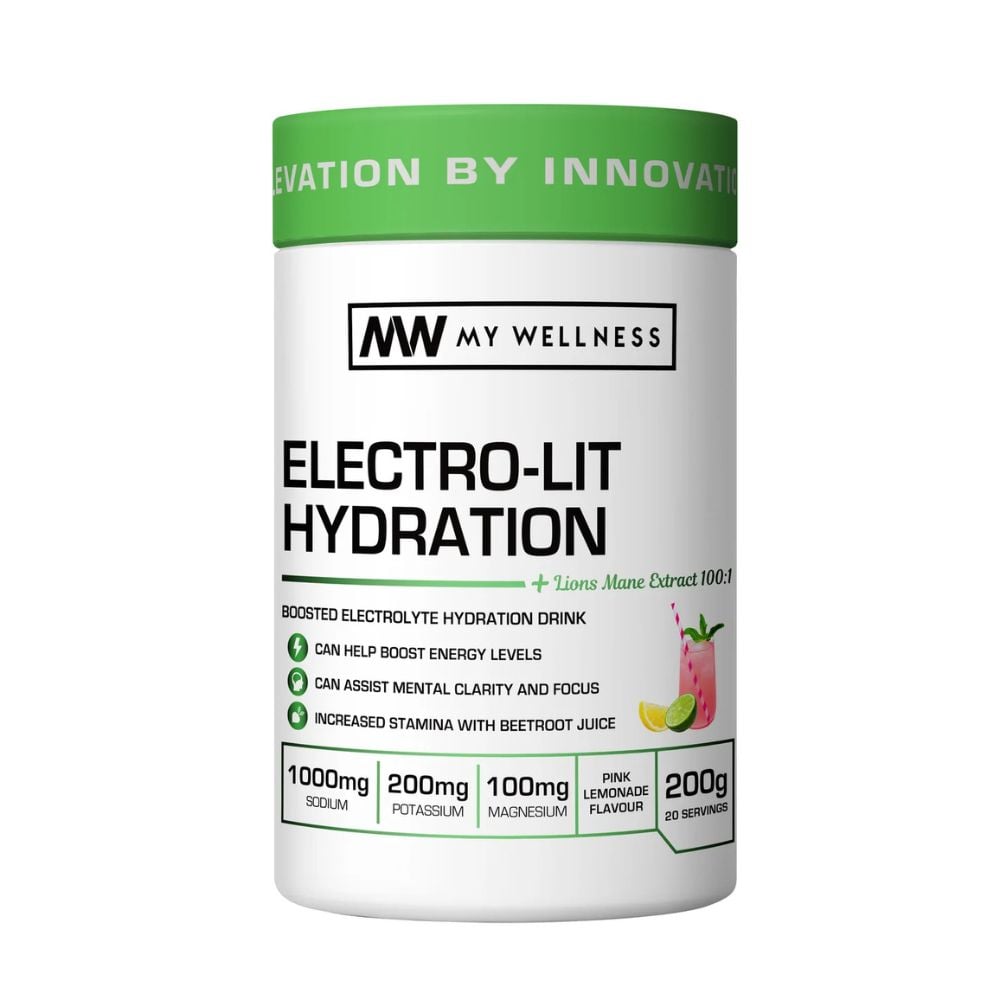
- Electrolytes: Replenish lost minerals and support hydration.
Autumn
- Root vegetables like carrots, sweet potatoes, and squash.
- Whole grains like brown rice and quinoa.
- Spices like cinnamon, ginger, and turmeric.
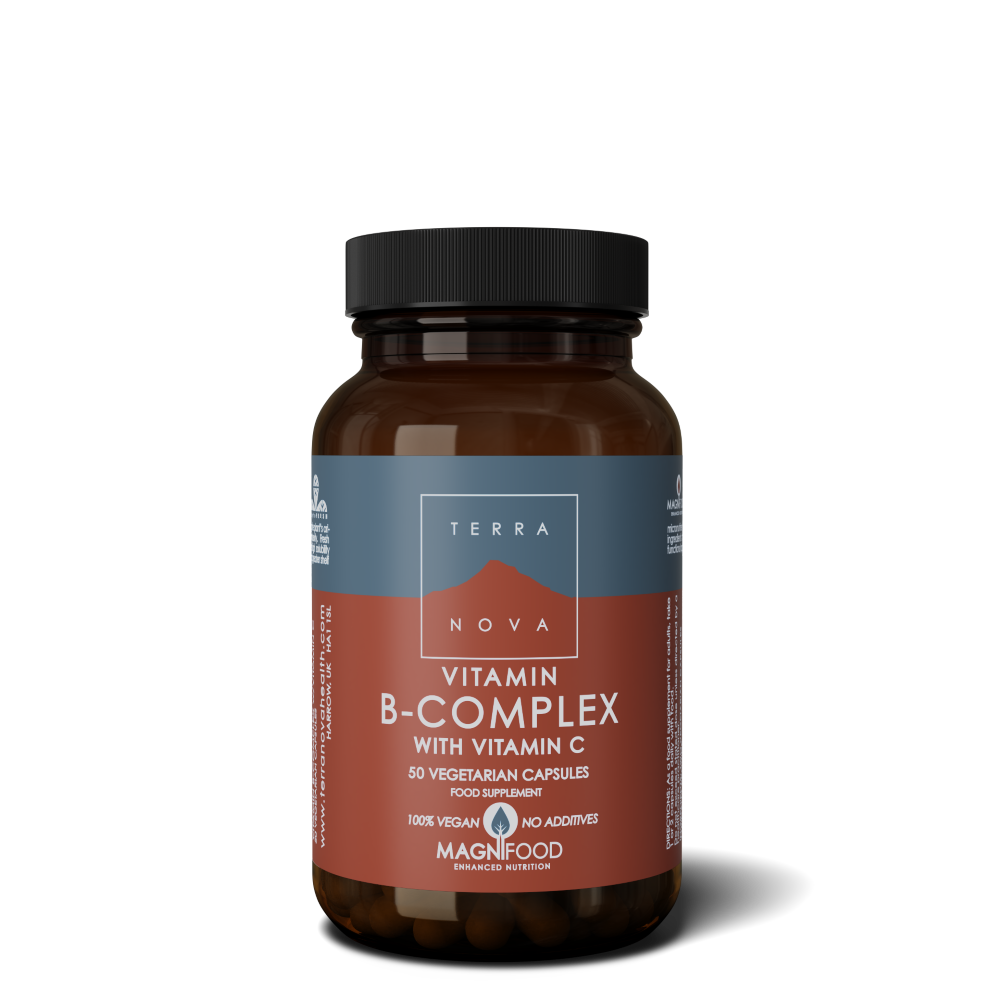
- Supplements that support the immune system, for example vitamins C and D, zinc, and probiotics.
- Digestive enzymes to support nutrient absorption and gut health.
Winter
- Comforting soups, lentils, beans, and root vegetables that provide sustainable energy.
- Supplements: vitamin D, omega-3s and zinc help protect against winter fatigue and keep immunity strong.
Spring
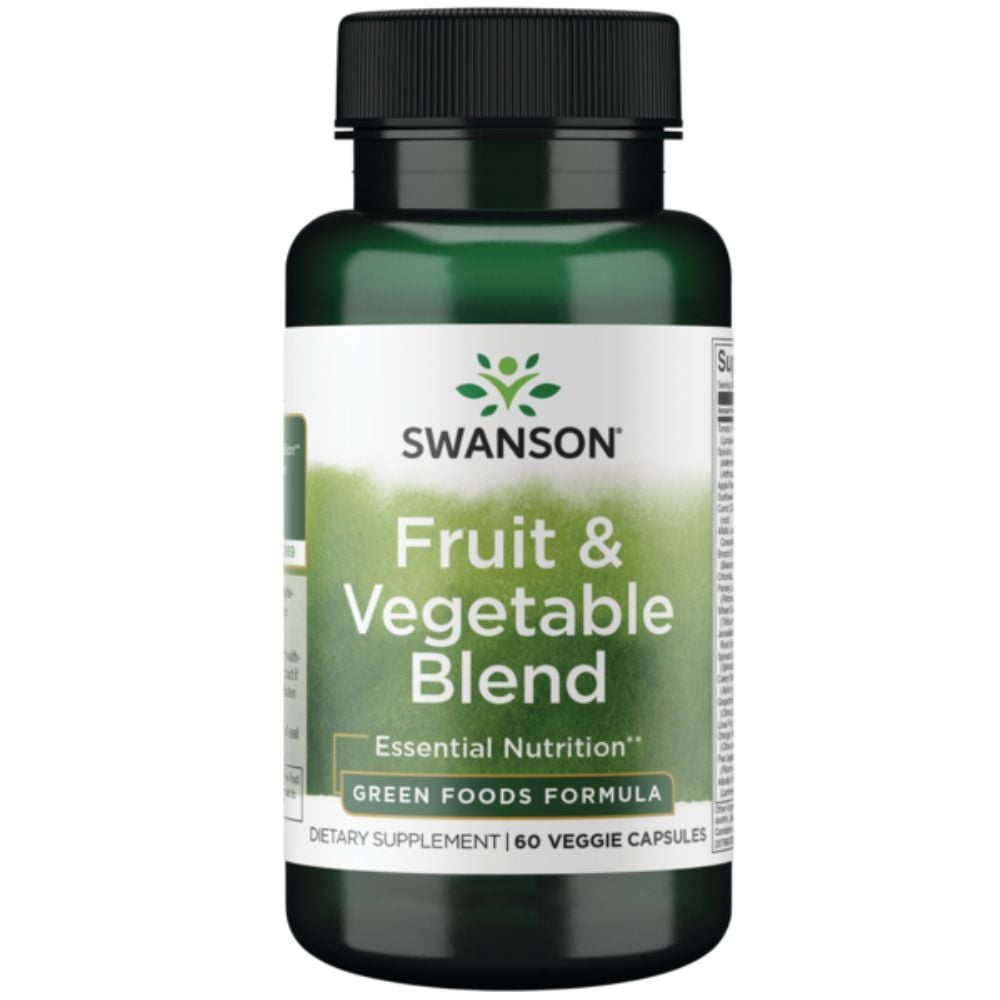
- Fresh leafy greens like spinach and kale.
- Cruciferous vegetables like broccoli, cauliflower, and brussels sprouts for liver support and detoxification.
- Supplements: milk thistle to support liver health and detoxification.
- Probiotics for gut health and immunity.
- Quercetin to reduce inflammation and alleviate allergy symptoms.
Exercise, Sleep, and Activities
Summer
Exercise:
- Strength training to prepare for the colder months.
- Aim for 30 – 45-minute sessions, 3 - 4 times a week
Sleep:
- Establish a sleep schedule to regulate your body’s internal clock.
- Aim for 7 - 9 hours as the nights start to cool down.
Lifestyle:
- Host dinners with roasts, stews, and butternut soup.
- Reflect on the year so far by journalling or meditating.
Autumn
Exercise:
- Strength training to prepare for the colder months.
- Aim for 30 – 45-minute sessions, 3 - 4 times a week
Sleep:
- Establish a sleep schedule to regulate your body’s internal clock.
- Aim for 7 - 9 hours as the nights start to cool down.
Lifestyle:
- Host dinners with roasts, stews, and butternut soup.
- Reflect on the year so far by journalling or meditating.
Winter
Exercise:
- Indoor, low-impact activities like Pilates.
- Avoid overexertion; focus on joint mobility.
Sleep:
- Wind down with herbal teas (like ginger or rooibos).
- Maximise rest (7 - 9 hours).
- Dim the lights by 6pm.
Lifestyle:
- Make time for things that bring you joy and help you relax. This can be anything from reading to spending time with loved ones.
- Treat yourself to massages and Epsom salt baths.
Spring
Exercise:
- Incorporate a mix of cardio and flexibility exercises.
- Aim for 30 min of high-intensity resistance training, 4 - 5 days a week.
Sleep:
- 7 - 8 hours, adjusting to earlier bedtimes.
- Open your curtains in the morning to boost serotonin.
Lifestyle:
- Detox with lemon water and ginger, juice cleanses, and fasting.
- Reconnect with friends at outdoor gatherings like braais and picnics.
Tips for All Seasons
- Connect to nature: Prioritise time outdoors to support your overall wellbeing.
- Balance is key: Ensure a balanced diet and supplement regimen.
- Quality matters: Choose reputable brands and follow recommended dosages when it comes to supplementation.
- Remember to consult with a healthcare professional before making significant changes to your health regimen.