A Natural Approach to Lifelong Eye Health.
Our eyes are among the hardest-working organs in the body, yet they’re often taken for granted—until something goes wrong. From constant screen exposure and artificial lighting to environmental toxins and nutrient-poor diets, modern life places significant strain on our vision.
As we mark World Vision Month in May, it’s the perfect opportunity to pause, refocus, and give our eyes the care they deserve.
Why Eye Health Matters More Than Ever
Vision isn’t just about seeing clearly; it plays a vital role in balance, cognitive function, mood, and overall quality of life. Eye discomfort, dryness, blurred vision, headaches, and light sensitivity are increasingly common, even among younger adults. Over time, chronic strain and nutrient deficiencies may contribute to more serious age-related changes in vision.
While genetics and ageing do play a role, many aspects of eye health are influenced by daily habits, nutrition, and lifestyle choices.
The good news? Small, consistent changes can make a meaningful difference.
Nourishing Your Eyes from the Inside Out
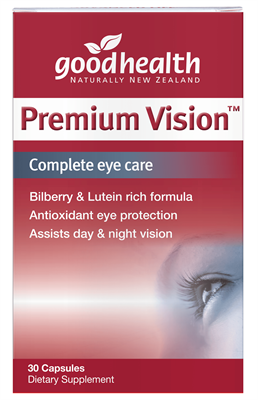
Nutrition is foundational for healthy vision. The eyes have a high metabolic rate and require a steady supply of antioxidants, healthy fats, vitamins, and minerals to function optimally.
Key nutrients for eye health include:
- Vitamin A: Essential for night vision and maintaining the health of the retina. Found in liver, egg yolks, and beta-carotene-rich foods like carrots, pumpkin, and sweet potato.
- Lutein and zeaxanthin: Powerful carotenoids that help protect the eyes from oxidative stress and blue light damage. Rich sources include spinach, kale, broccoli, peas, and eggs.
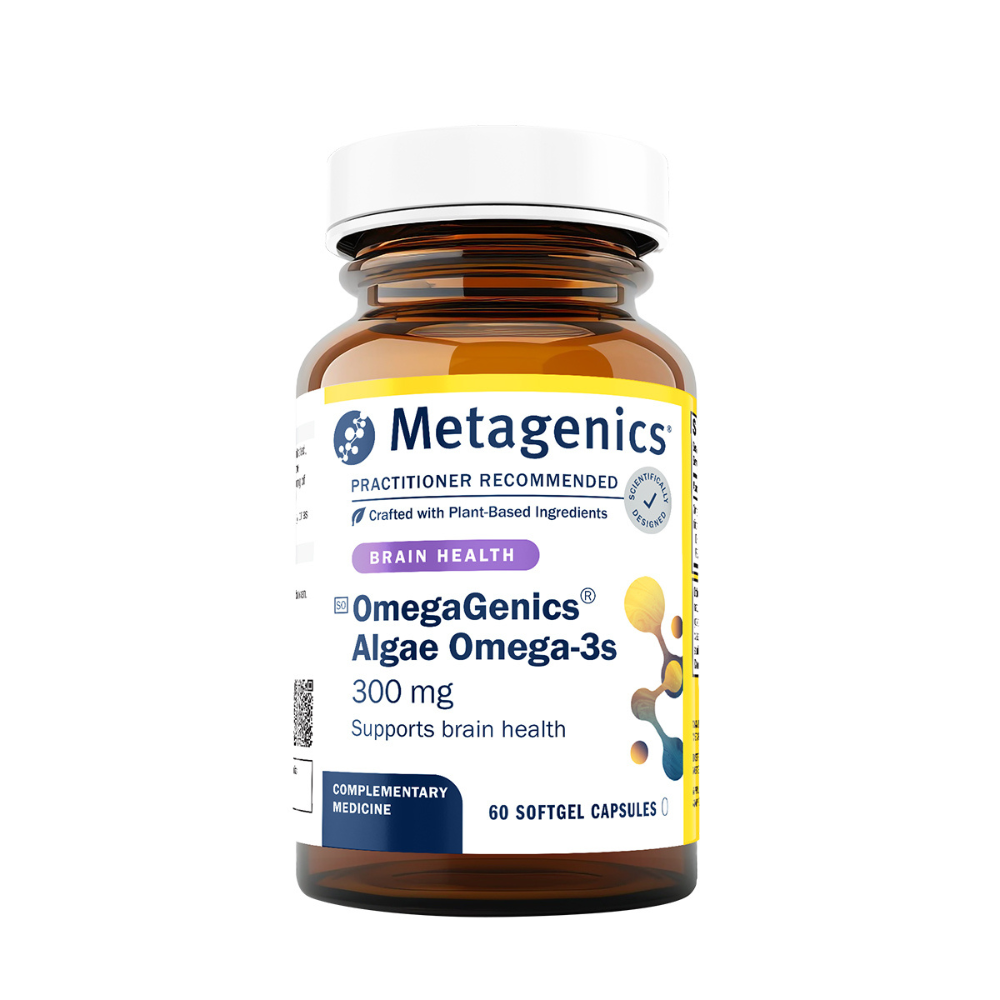
- Omega-3 fatty acids: Support tear production and help reduce dry eye symptoms. Found in fatty fish (sardines, salmon), flaxseed, chia seeds, and walnuts.
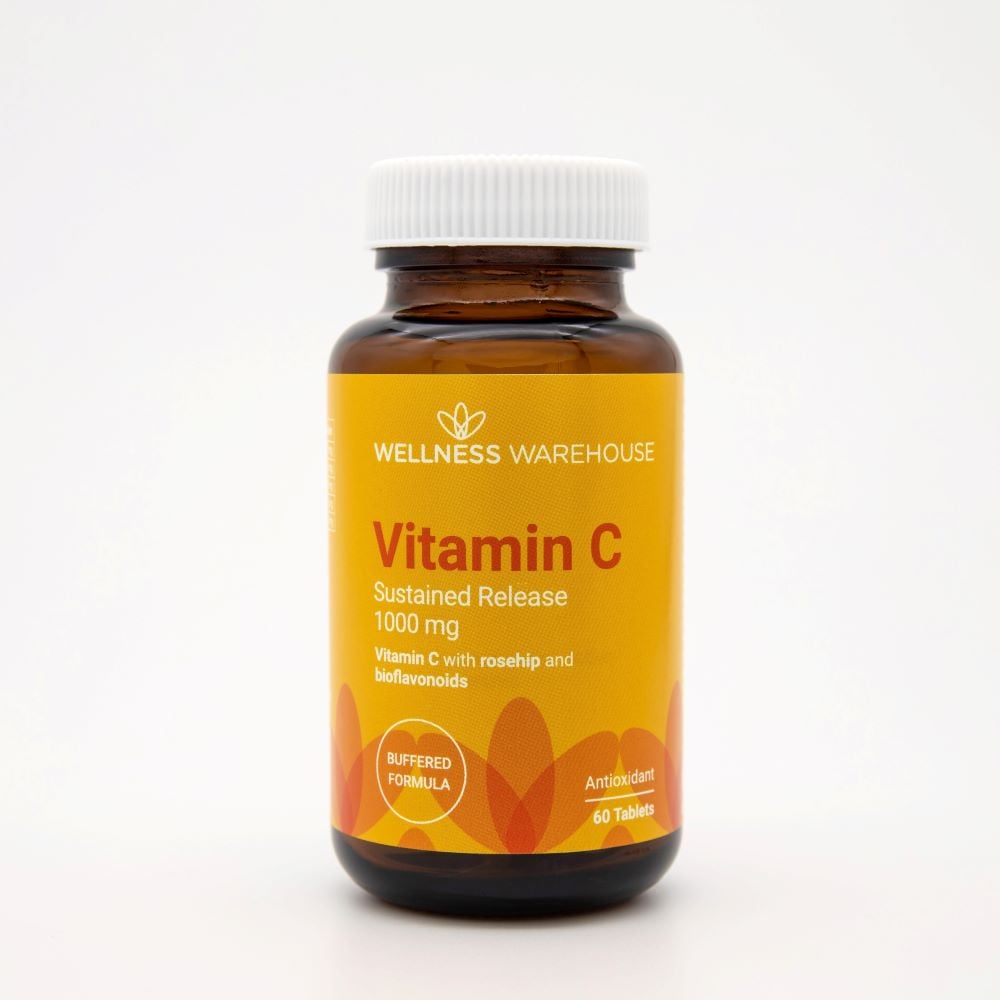
- Vitamin C and E: Antioxidants that protect eye tissues from free radical damage. Found in citrus fruits, berries, nuts, seeds, and cold-pressed plant oils.
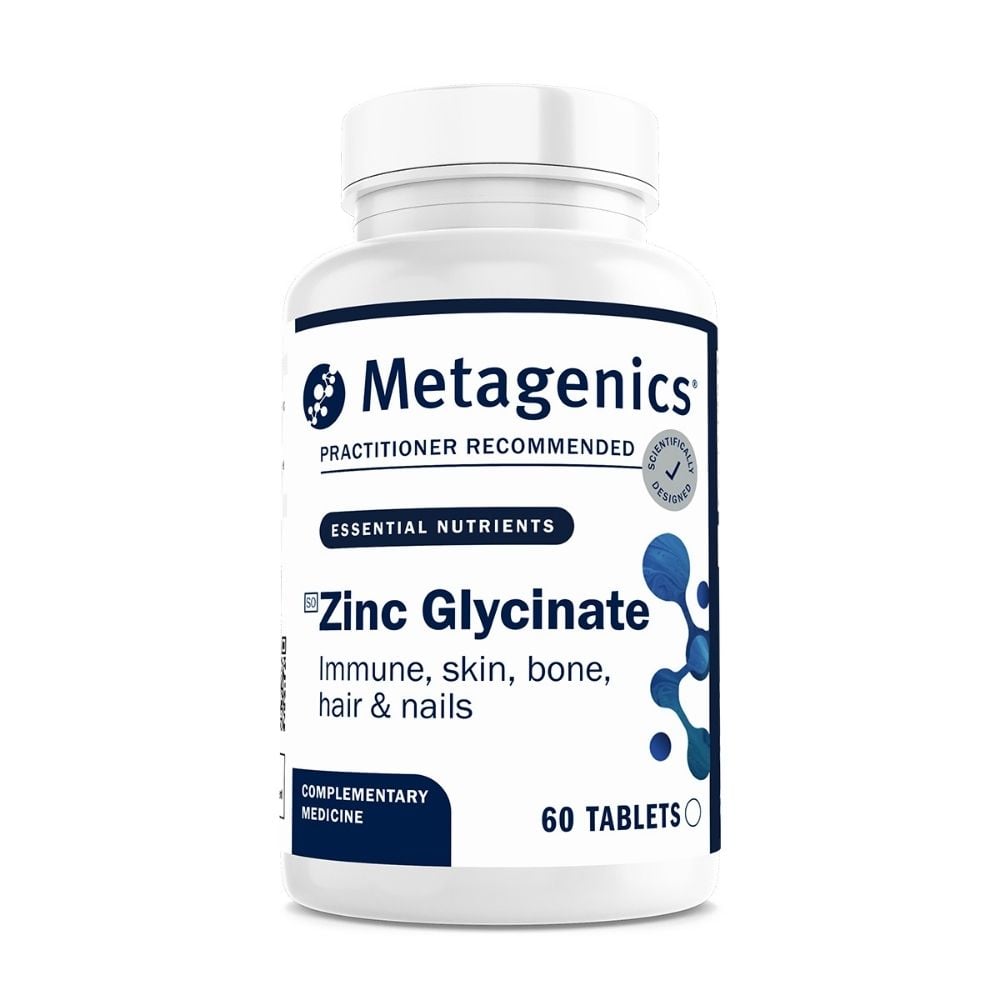
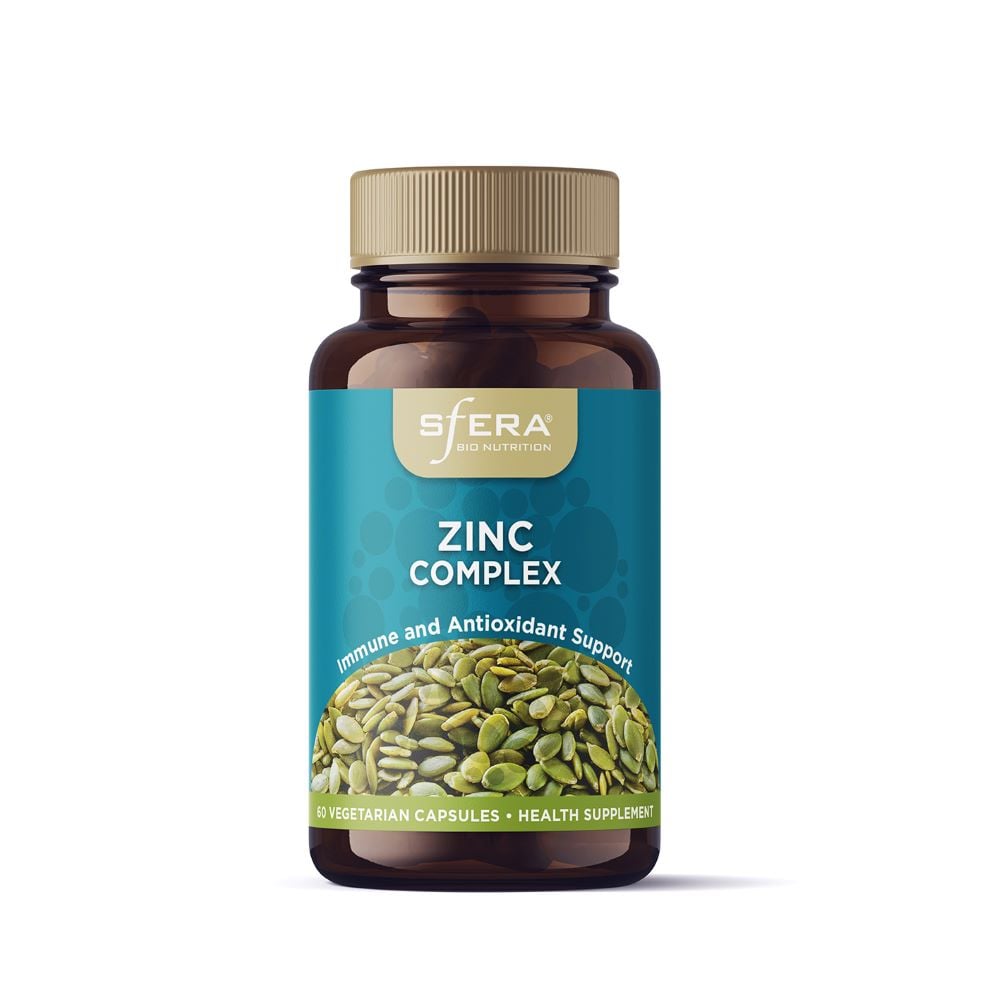
- Zinc: Helps transport vitamin A from the liver to the retina. Found in pumpkin seeds, legumes, whole grains, and seafood.
A colourful, whole-food diet rich in vegetables, fruits, healthy fats, and quality protein goes a long way in supporting long-term eye health.
Lifestyle Habits That Protect Your Vision
Beyond diet, everyday habits significantly influence how your eyes feel and function.
- Follow the 20-20-20 rule: Every 20 minutes, look at something 20 feet away for at least 20 seconds to reduce digital eye strain.
- Optimise lighting: Avoid harsh overhead lighting and reduce glare on screens where possible.
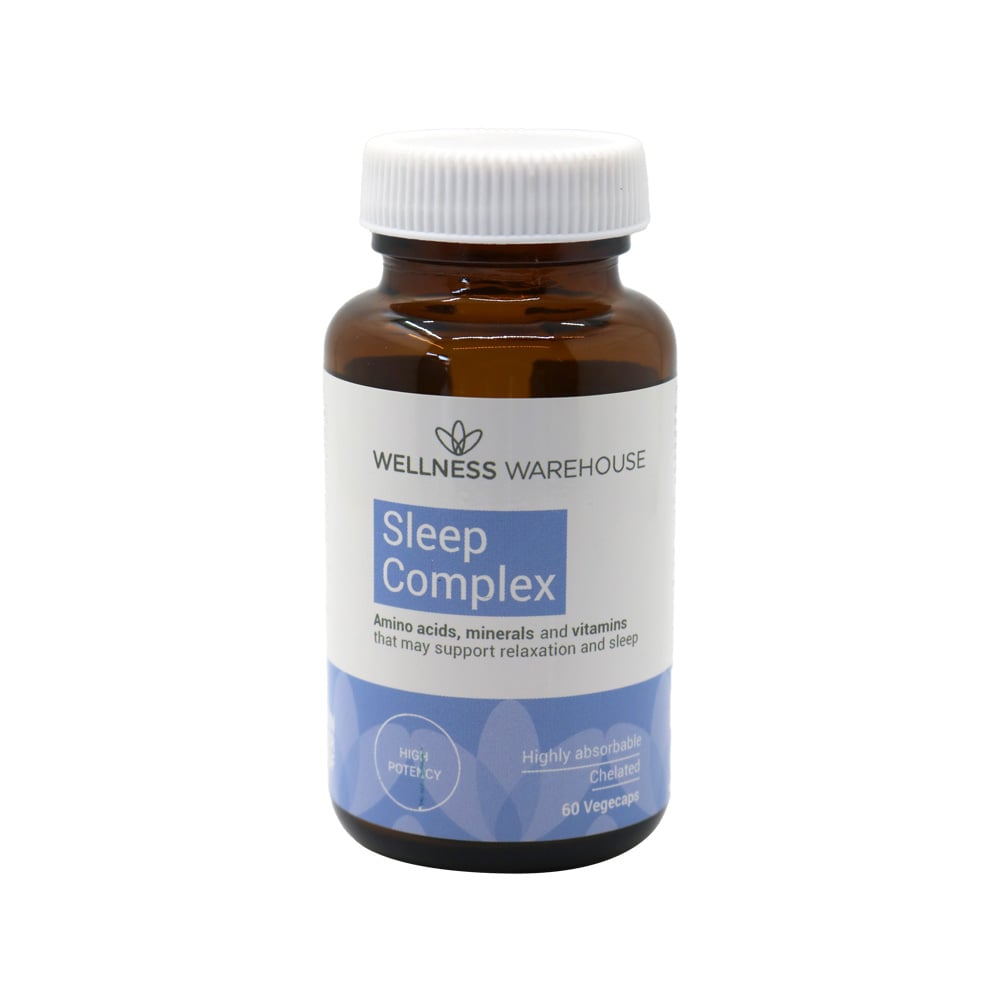
- Prioritise sleep: Rest allows the eyes to repair and replenish moisture. Chronic sleep deprivation is closely linked to dry, irritated eyes.
- Stay hydrated: Adequate hydration supports tear production and eye comfort.
- Protect your eyes outdoors: Wear quality sunglasses to shield your eyes from UV damage, even on cloudy days.
Don’t Skip Regular Eye Checks
Natural care and prevention work best alongside routine eye examinations. Regular screenings can detect early changes in vision, eye pressure, or retinal health, often before symptoms arise. Early detection is one of the most effective ways to protect long-term eyesight.
A Clearer Way Forward
World Vision Month in May is a reminder that eye health deserves year-round attention. By nourishing your body with the right nutrients, adopting eye-friendly habits, managing screen exposure, and prioritising regular check-ups, you’re investing not only in your vision, but in your overall wellbeing.
After all, caring for your eyes isn’t just about seeing the world more clearly. It’s about staying connected, engaged, and present for all the moments that matter.