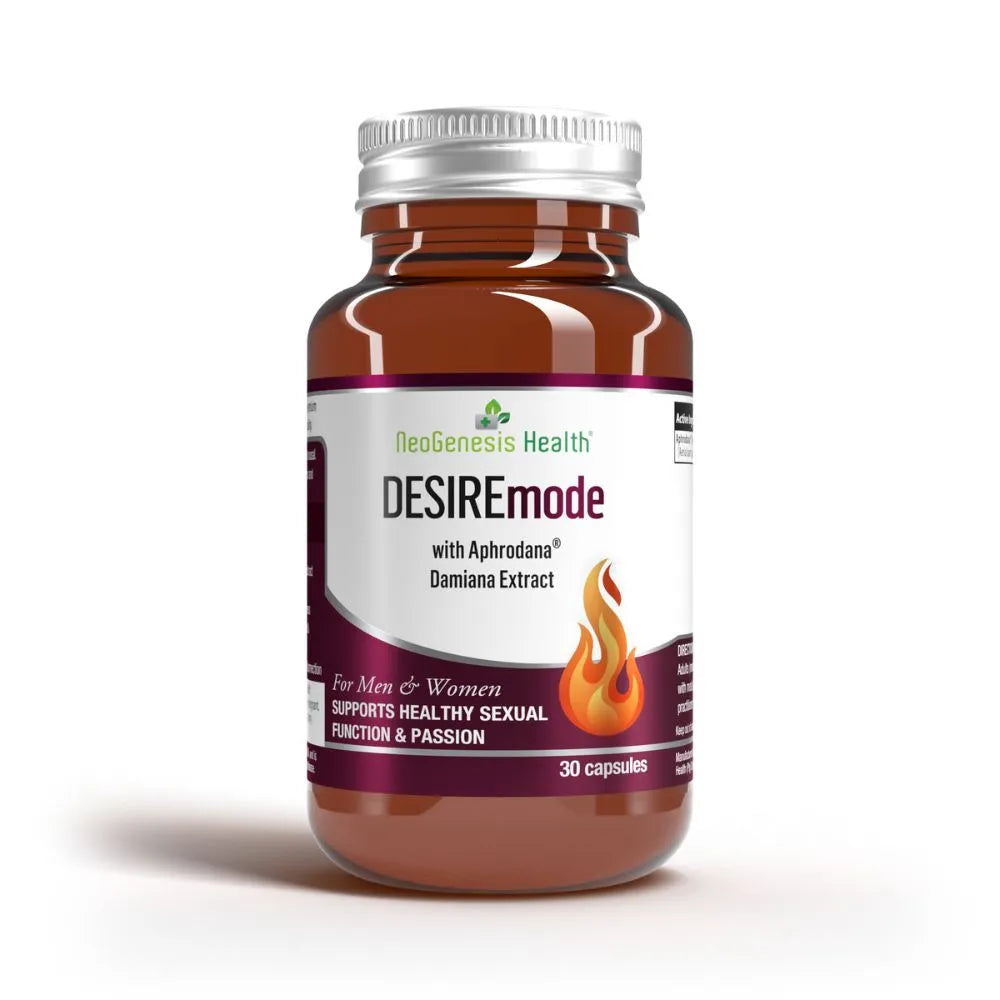
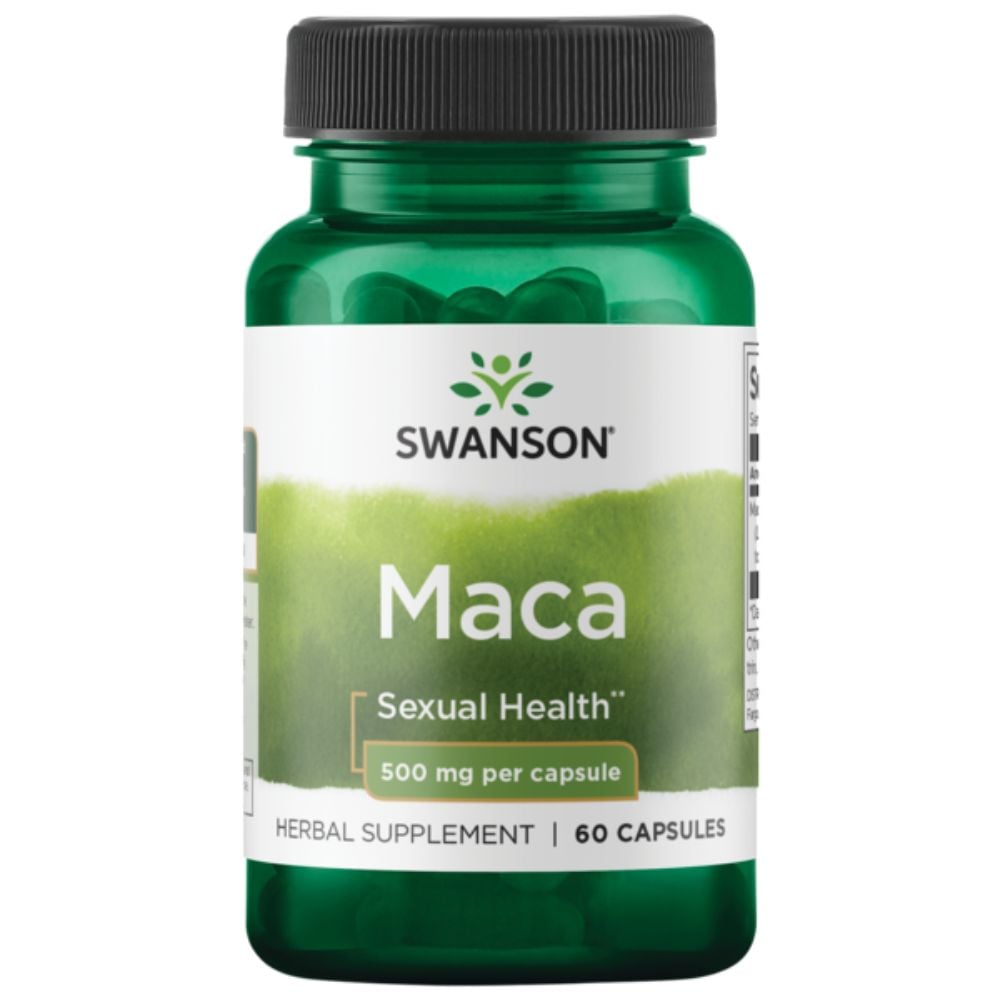
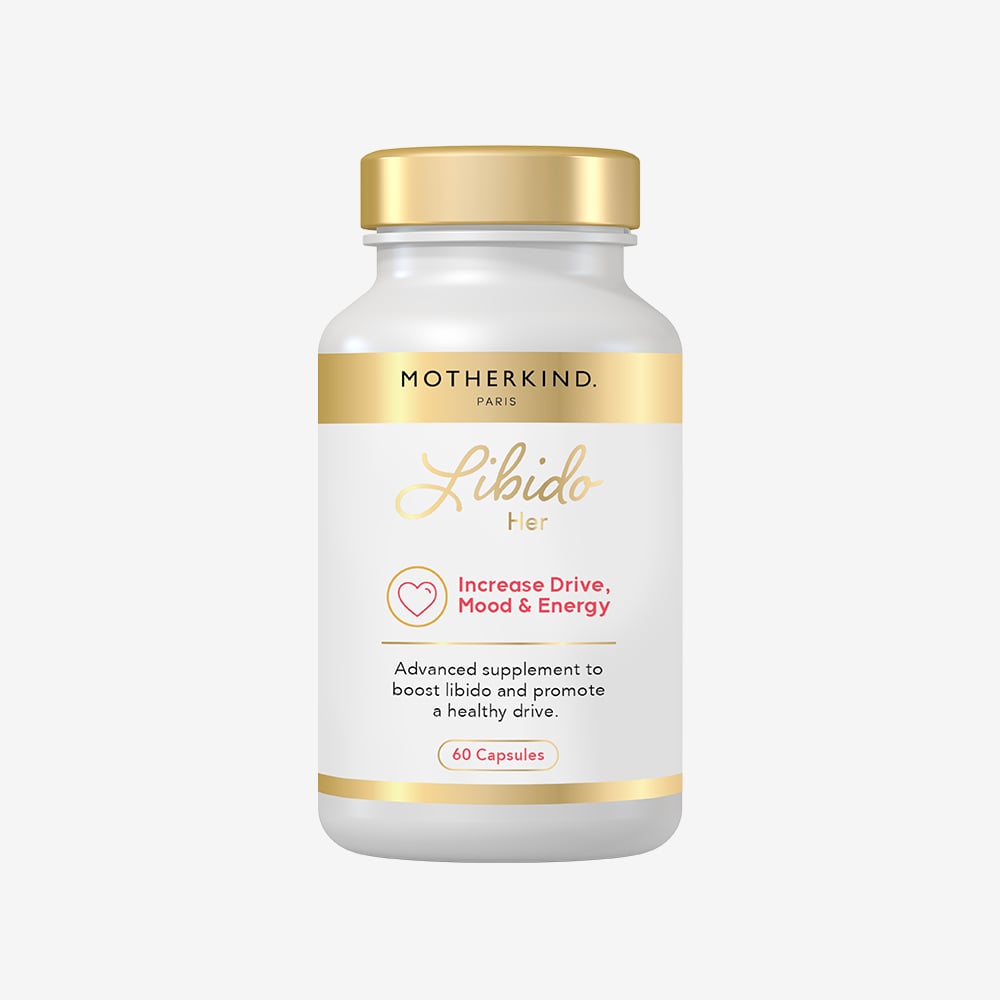
From an evolutionary vantage point, sex is a clear force for survival. Among mammals and many other animal species, the act of mating is woven into the instinctual domain of nature: drive, hormones, survival, perpetuating the species and copying the best genes. Using our bodies as they were designed to be used is a potential lever for us to experience the world in a more attuned flow state. At a moment in modernity where people are having less sex than they used to and more people are single than partnered, we might consider the impact of this on our collective psychological wellbeing. A return to the body in every sense of the word - for strength, poise, command, and physical intimacy - can be a homecoming towards more serenity and global peace of mind.
For humans, sex is so much more than a biological behaviour. Perhaps I will declare this bias upfront: sex can be a language for supreme intimacy; the deepest communication; a transcendence of something just physical. Even those of you who have a less esoteric world view can likely agree that sex has the potential to be a tool for humans to achieve an ecstatic state. Pastor Eugene Peterson, a world-renowned writer and keeper of spiritual wisdom wrote about sex as an act of embodiment, of “living fully, bodily, relationally before God”.
We can look to Tantric wisdom too to echo this beautiful idea. Tantric teachings nurture the idea that every act of lovemaking can be an act in loving service to the world. I really resonate with this idea that our own deepest and safest loving connection with another human being is a tool for tikkun olam - for healing the world. “By that which the world is bound, by that same the world is released,” according to Kularnava Tantra. Our physicality is as much an expression of the duality of all human experience as light and dark or good and evil. Our bodies can be as robust as they are fragile, and our physical experience can span everything from torture to bliss.
Kabbalistic Jewish wisdom holds a similar idea - that the union of lovemaking is the highest form of worship. There is a clear narrative about holding the divine in the meeting place of sacred partnership. Nietzsche wrote that “One must still have chaos in oneself to give birth to a dancing star” - a beautiful analogy for the alchemy and sometimes heady madness that intimacy can birth. Regardless, in the most primal sense, we are designed to use physical intimacy as a tool for survival.
Hormones such as testosterone and oestrogen regulate libido and drive; neurotransmitters like dopamine spark motivation and reinforce pleasurable behaviours, while oxytocin and prolactin deepen bonding and intimacy. In women, orgasm triggers a strong and long-lasting release of oxytocin, deepening feelings of safety, attachment, and emotional closeness. Men also experience an oxytocin surge during and after orgasm, but it’s tempered by a rise in prolactin, creating a state of relaxation, affection, and contentment that supports pair-bonding. These biological drivers encourage the emotional tools necessary for relational commitment between partners, especially when sharing the role of parenting and raising children.
The literature on the mating habits of humans in modernity shows a decline in traditional marital relationships. Data on how frequently partnered and single people have sex in the USA compared to historically shows a consistent decline. What is it that drives these changes? In parallel, there is a global conversation about a loneliness pandemic. And we know that social isolation has been compared to smoking 15 cigarettes a day in a meta analysis that was published in 2008 by Julianne Holt-Lunstad. On the pharmaceutical front, it’s ironic that many of the psychiatric medicines that we use to ameliorate sadness, depression, and anxiety impact sex drive negatively. Some anti-anxiety and anti-depressant medicines even make it difficult to achieve an orgasm during sex.
Lifestyle and substances, too. Habitual alcohol misuse or recreational drug use may feel like escape, but in intimate relationships they can erode presence, safety, attunement, and performance. The evolving burden of chronic diseases of lifestyle are also an articulate expression of disconnection from our bodies. Chronic diseases of lifestyle are more rife in populations that are not practicing embodiment in a healthy way that sustains a normal body shape or weight.
Sexual dysfunction is another thing we don't talk about. Erectile dysfunction is a common side effect of some medicines, and often goes hand in hand with diabetes and vascular disease - which exacerbate the problem. Performance anxiety in young, healthy people can also drive erectile dysfunction or barriers to achieving intimate pleasure in women. Women also often don't seek help or support through the hormone transitions of childbirth, the postpartum period, and menopause. Sometimes just the simple support of a pelvic floor physio can resolve painful penetration and help support enjoyable intimate explorations with a partner.
In the absence of real pathology, how can we return safely and intentionally to reclaiming pleasure, intimacy, and connection in our relationships? For couples navigating parenthood or busy adult lives, sometimes caring for elderly parents, the question becomes: how do you keep this dimension alive? How do we begin again when there is discordance in desire in couples or when this aspect of relating has disappeared? I believe the thing we need as the first step from both partners is willingness.
Assuming the willingness is there, Esther Perel speaks so beautifully and practically about creating curiosity and otherness in our relationships. In contrast to the fraternal dynamic that can evolve after you have been in partnership doing the daily grind together for a long time. Our sexual relationships are no exception to the duality of experience that is true of all human experience. While we all long to cultivate the familiar and the safe, lust and desire happen when there is unknown, newness, and creativity. Creating this tension in a relationship with a long-term lover is an active craft. Perel reminds us that “Love enjoys knowing everything about you. Desire needs mystery.”
It's also important to remember that sexual relationships ebb and flow. We can't be having hot, steamy, sex all the time - this is simply unrealistic and would be very distracting. What we can continue to do is:
- Make space and time for intentional connection with our partners
- Look after our bodies so that we can feel comfortable and at home in them
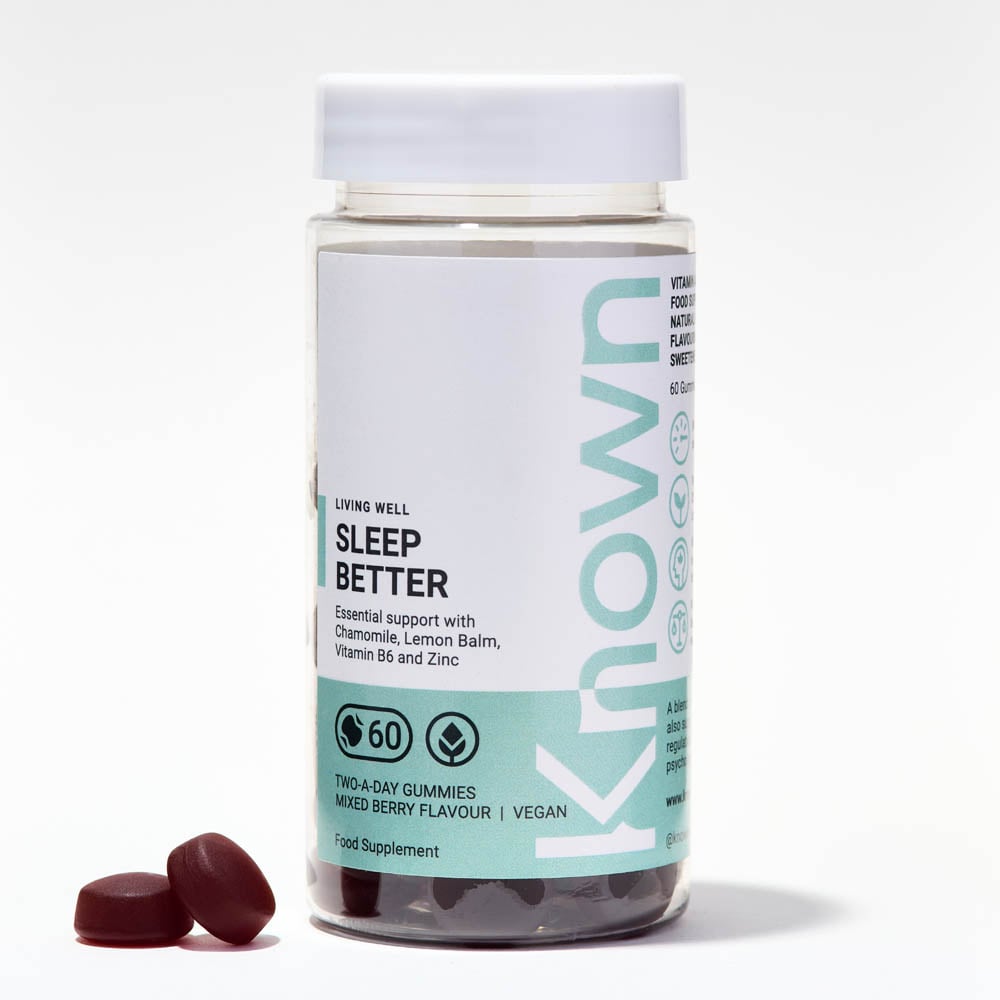
- Get enough sleep (just giving a sleep-deprived woman an extra hour of sleep at night can increase her libido by 12%)
- Practise intentional embodiment through strength training, exercise, dance, posture, sport, and moving your body in the way that it was designed to move.
- Imagine if you thought about your whole day as foreplay - from how you greet your partner in the morning to how you create opportunities for
- non-sexual affection and touch throughout your day, creating safety and open communication, and making your partner feel heard and seen is sexy.
- Talk about sex. Ask for what you want. This can be scary in the beginning, but the mind is a wonderful catalyst for desire, and a brave declaration or suggestion or even a suggestive picture over a Whatsapp is unlikely to be ignored! It's much more likely to be an accepted invitation to more fun and deeper conversations.
- If you struggle with pain or erectile dysfunction, chat to your doctor. There are safe medicines that can help support normal erectile function, as well as pelvic floor support for women with chronic conditions that can cause pain.
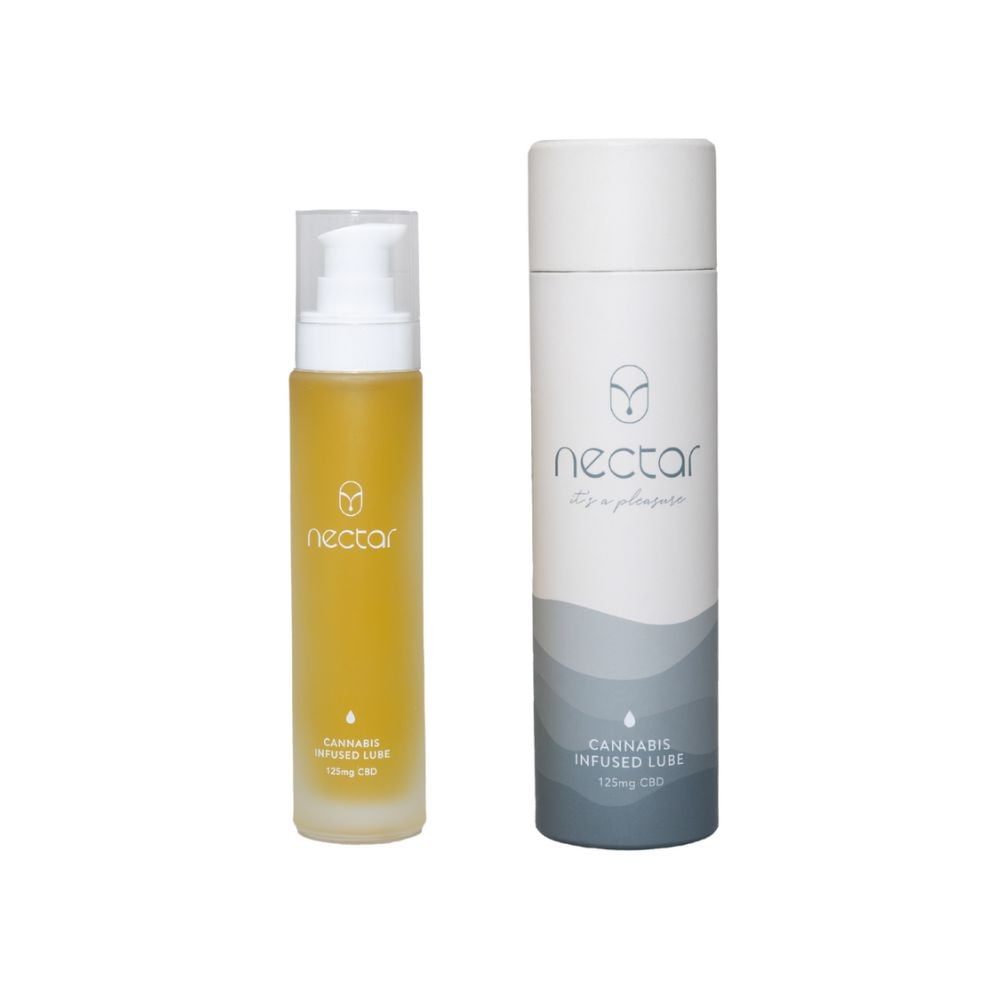
- Vaginal dryness can be remedied with over-the-counter vaginal estrogen. Chat to your pharmacist or GP about this. When necessary, silicone-based lubricants can be supportive, too.
- Check your testosterone levels - these can be optimised safely in men and women.
- Have fun together outside of the bedroom. Raising children, earning money, and playing grown up often robs us of the spontaneity and lightness of being that we all embody better when we are young and carefree.
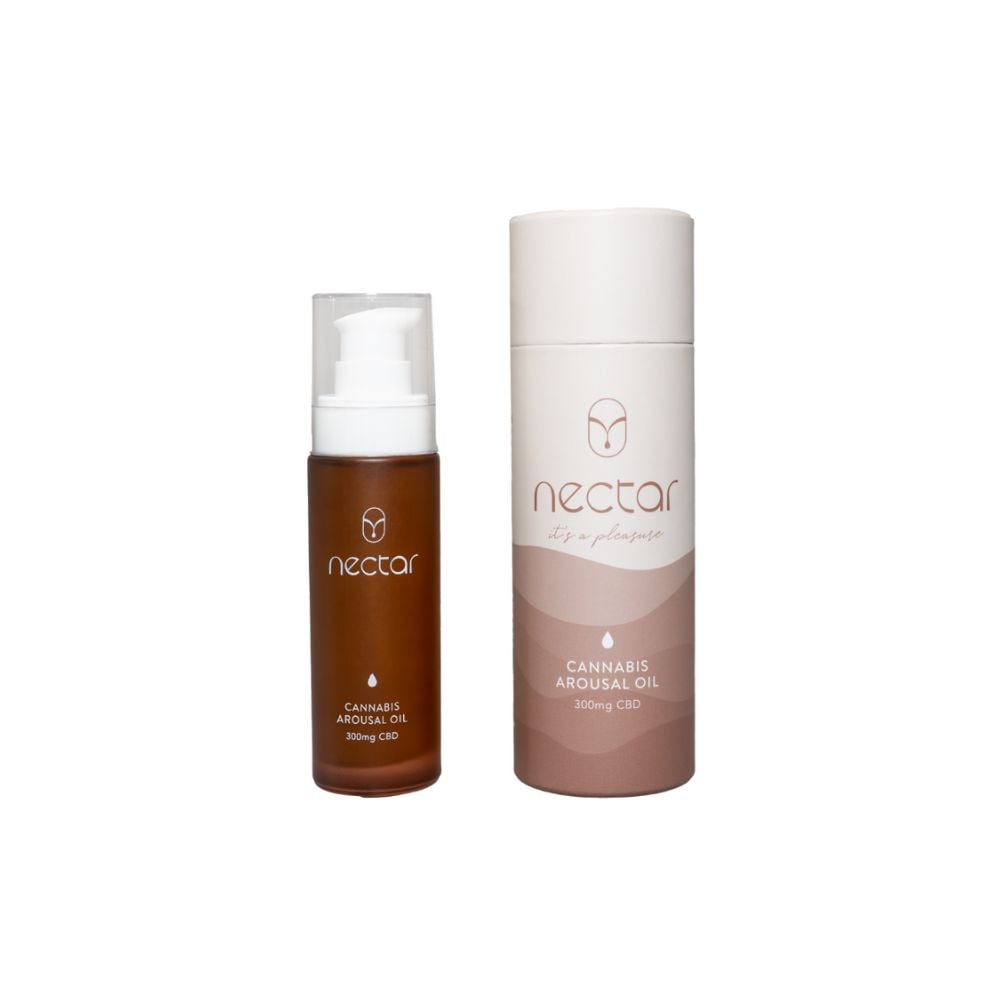
- Play with the idea of your own pleasure. What turns you on? If you don't know how to create pleasure in your own body, how will you ask your partner for what you need? Sometimes adult toys can be helpful in figuring this out, and can also be a naughty, curious purchase that you make together.
A growing body of research shows that frequent, satisfying sexual activity is strongly linked to better physical and mental health. Studies have consistently found that people with active sex lives tend to live longer, have stronger immune function and lower blood pressure, enjoy better sleep and reduced stress and anxiety, as well as lower rates of depression. Regular sexual connection also boosts oxytocin, dopamine, and endorphins; hormones that enhance mood, bonding, and emotional resilience. For men, higher ejaculation frequency has been associated with reduced prostate-cancer risk, and for women, regular sexual activity supports pelvic-floor health, lubrication, and hormonal balance. I hope I have convinced you that, like regular exercise, whole foods, adequate rest, and meaningful connection, physical intimacy should be one of the pillars of your wellness life that you nurture and nourish.
ABOUT THE AUTHOR
Dr Skye Scott is a family GP, and co-owner of Health with Heart - a holistic wellness solution that includes a warm-hearted practice in Sandton; bespoke corporate wellness programmes; unique retreats and medical travel experiences; an educational podcast and portal; and a community outreach initiative. For more information or to get in touch, follow @health_w_heart or @drskyescott on Instagram or @HealthwithHeartDoctors on Facebook, or visit www.healthwithheart.co.za.