Supplements for Kids
Raising healthy children in today’s fast-paced world comes with its fair share of questions—especially when it comes to nutrition. With busy schedules, picky eating habits, soil-depleted foods, and frequent exposure to germs, many parents wonder whether supplements have a role to play in supporting their child’s wellbeing. The short answer? Sometimes—when chosen carefully and used thoughtfully.
Food First, Always
Before reaching for a bottle, it’s important to remember that supplements are exactly that: supplementary. A balanced diet rich in whole foods—vegetables, fruit, quality protein, healthy fats, and whole grains—remains the foundation of children’s health. Supplements are most helpful when they fill genuine nutritional gaps, rather than replacing real food.
That said, certain nutrients can be harder for children to get consistently, and this is where targeted supplementation may offer support.
Key Supplements Commonly Considered for Children
Vitamin D
Vitamin D plays a crucial role in bone development, immune function, and overall growth. While sunshine helps the body produce vitamin D, modern indoor lifestyles and sunscreen use can limit exposure. In some cases, especially during winter months or in children who spend little time outdoors, supplementation may be beneficial.
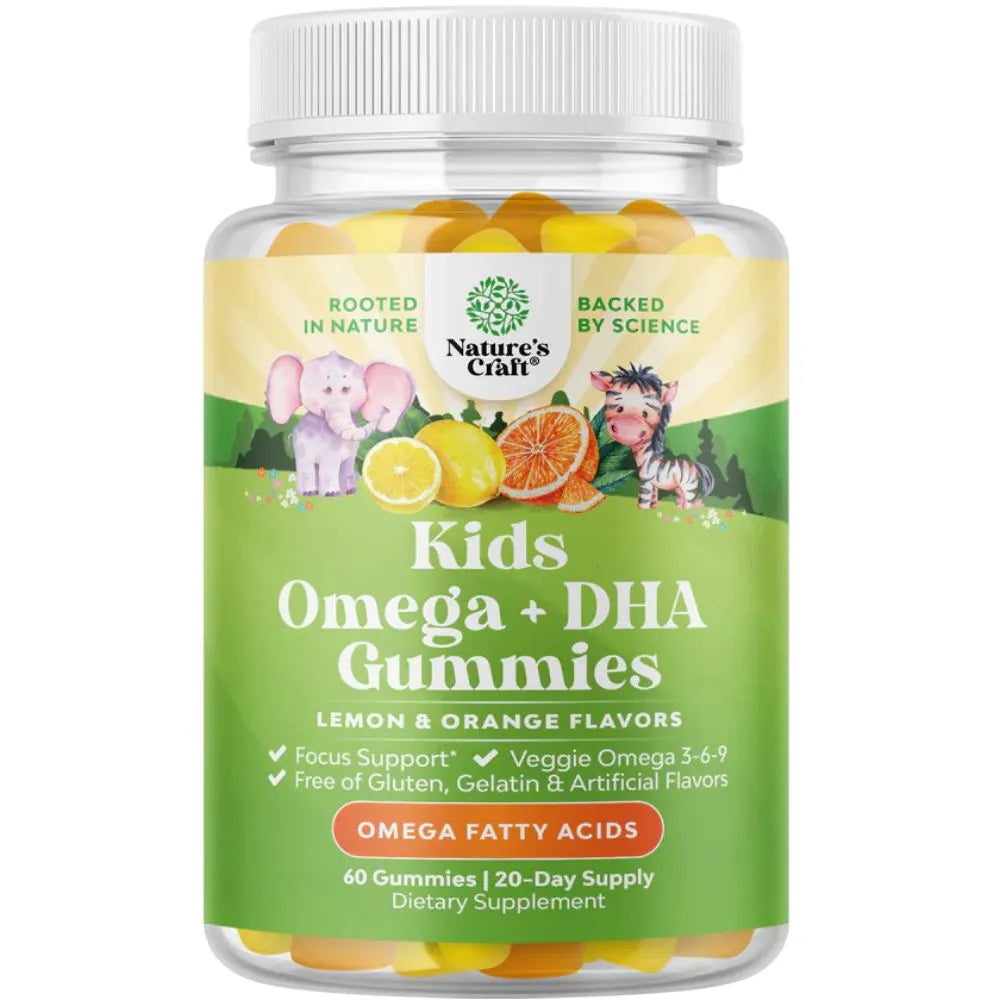
Omega-3 Fatty Acids
Omega-3s—particularly DHA—support brain development, cognitive function, and eye health. These fats are found in fatty fish, but many children don’t eat fish regularly. A child-friendly omega-3 supplement can help bridge this gap, especially during periods of rapid growth and learning.
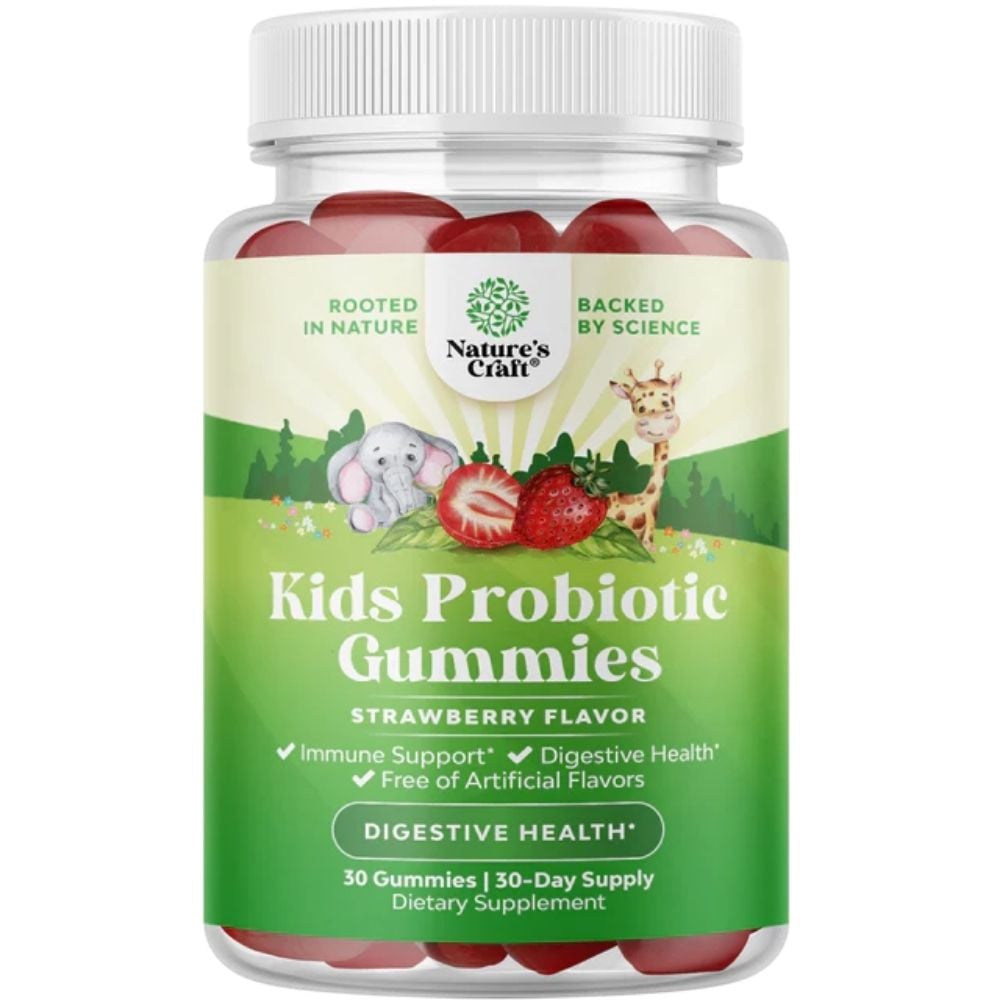
Probiotics
Gut health plays a big role in immunity, digestion, and even mood. Probiotics may be useful for children who experience frequent tummy upsets, constipation, or who have recently taken antibiotics. A healthy gut microbiome supports nutrient absorption and helps the immune system function effectively.
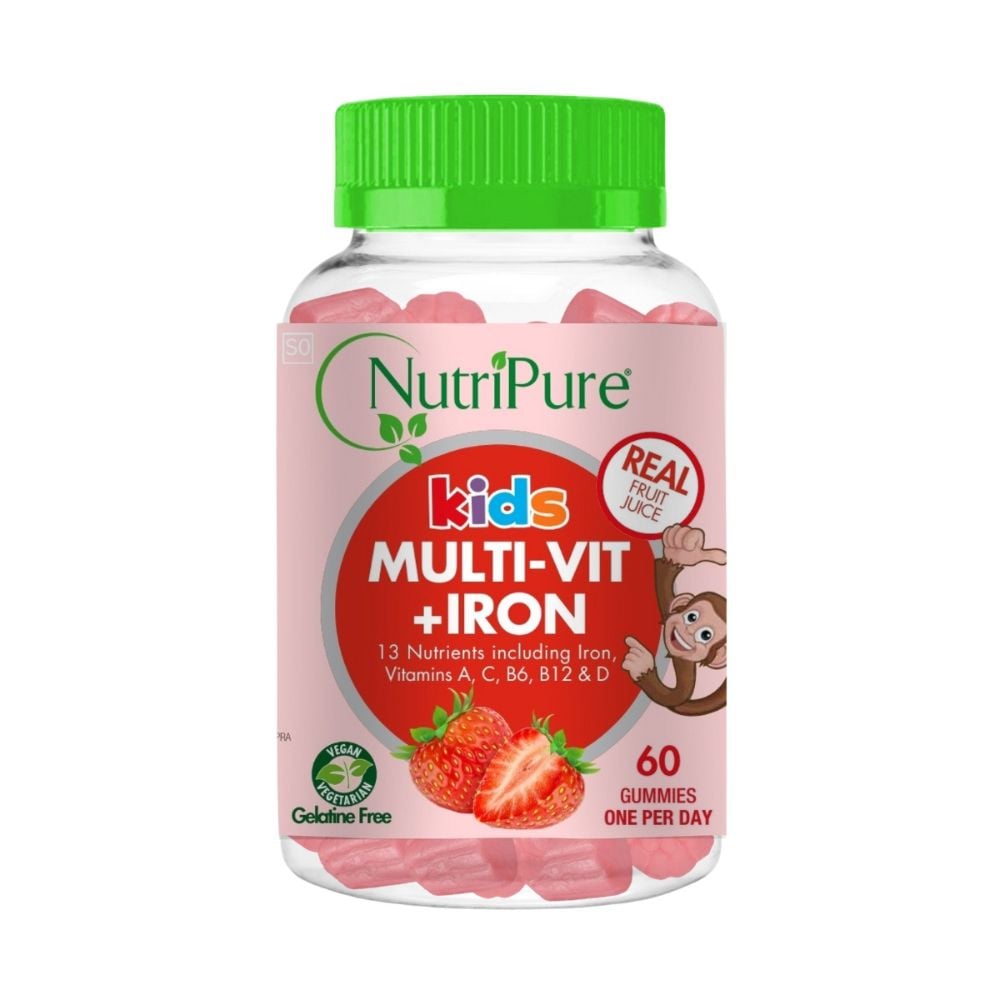
Iron
Iron supports oxygen transport in the blood and is essential for energy levels and cognitive development. Some children—particularly picky eaters or those following plant-based diets—may be at risk of low iron. However, iron supplementation should only be given when a deficiency is suspected or confirmed, and under professional guidance.
Zinc and Vitamin C
These nutrients are often included in immune-support supplements. Zinc contributes to normal immune function and wound healing, while vitamin C supports immunity and helps with iron absorption. They may be helpful during times of increased exposure to illness, such as school terms or seasonal changes.
Choosing Supplements Safely
Not all supplements are created equal, and children’s bodies are more sensitive than adults’. When selecting supplements for kids, look for products that are:
-
Age-appropriate and specifically formulated for children
-
Free from artificial colours, sweeteners, and unnecessary additives
-
Clearly dosed, avoiding “mega-dose” formulations
-
Third-party tested where possible
Avoid adult supplements unless advised otherwise, and resist the temptation to assume that “more is better”—it isn’t.
When to Seek Professional Advice
Every child is unique. Growth patterns, dietary intake, health history, and lifestyle all matter. If your child struggles with ongoing fatigue, frequent illness, digestive issues, or restricted eating, it’s best to consult a healthcare professional before introducing supplements. This ensures that supplementation is both safe and appropriate.
The Bigger Picture
Supplements can be a helpful tool, but they work best as part of a holistic approach to children’s health—alongside nourishing food, quality sleep, movement, time outdoors, and emotional wellbeing.
Used mindfully, supplements can gently support growing bodies and developing immune systems—helping children thrive, not just get by.