Reducing Waste Without Reinventing Your Life
When people think about reducing waste at home, they often imagine rows of perfectly labelled glass jars, expensive refill stores, homemade cleaning products, and a level of organisation most of us simply do not have time for. The reality is that building a more conscious kitchen does not need to be all or nothing. In fact, some of the most effective changes are also the simplest.
The modern kitchen is one of the biggest sources of household waste. From forgotten vegetables at the back of the fridge to single-use packaging, paper towels, cling wrap, and food scraps, it all adds up quickly. The good news is that reducing waste is often less about perfection and more about awareness.
"Small shifts in habits can save money, reduce environmental impact, and even make daily life feel calmer and more intentional."
One of the easiest places to start is food waste. Studies consistently show that households throw away a surprising amount of perfectly edible food each week. Often, it comes down to overbuying or losing track of what is already in the fridge. Before grocery shopping, take a quick inventory of what you already have. Planning a few meals around ingredients you need to use up can dramatically reduce waste without requiring a complete lifestyle overhaul.
Your freezer is also one of the most underrated sustainability tools in the kitchen. Overripe bananas become smoothie ingredients. Fresh herbs can be frozen in olive oil trays. Leftover soups, cooked grains, and sauces freeze beautifully and reduce the temptation to order takeaways on busy evenings. Even vegetable scraps can be collected and frozen to make homemade stock later on.
Storage matters more than most people realise. Fresh produce stored properly lasts significantly longer. Leafy greens wrapped in a cloth or paper towel stay crisp for days longer, while herbs stored upright in water can remain fresh for over a week. Investing in a few quality reusable containers or beeswax wraps can help reduce reliance on single-use plastics while keeping food fresher for longer.
Speaking of single-use items, conscious kitchens are increasingly moving away from disposable convenience products. Paper towels, cling wrap, plastic sandwich bags, and disposable coffee cups are easy to reach for because they are familiar. Replacing them does not need to happen overnight. Start with one or two swaps that feel realistic for your routine. Reusable cloths instead of paper towels. Glass containers instead of plastic bags. A refillable water bottle or travel mug for coffee runs. Small changes become habits surprisingly quickly.
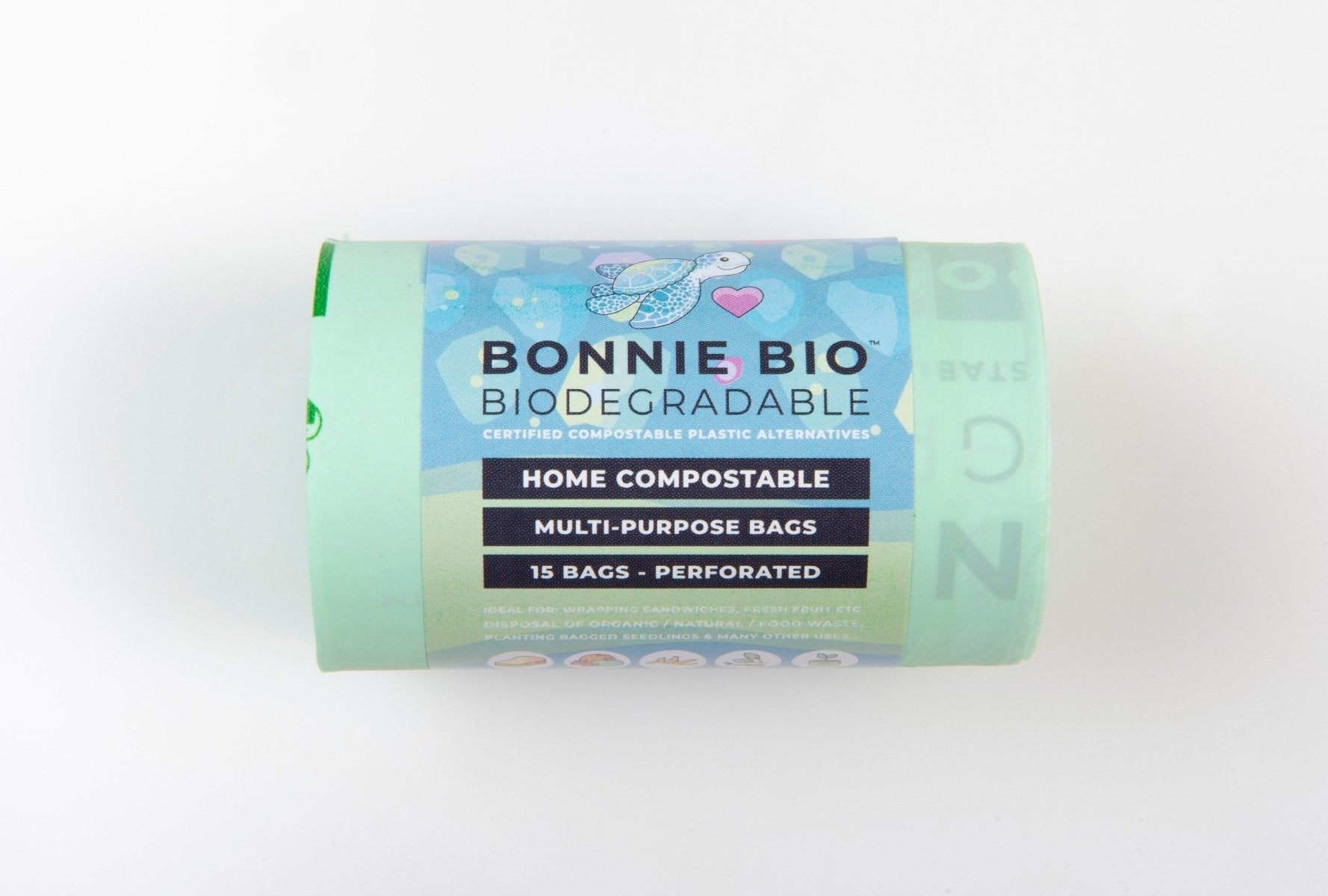
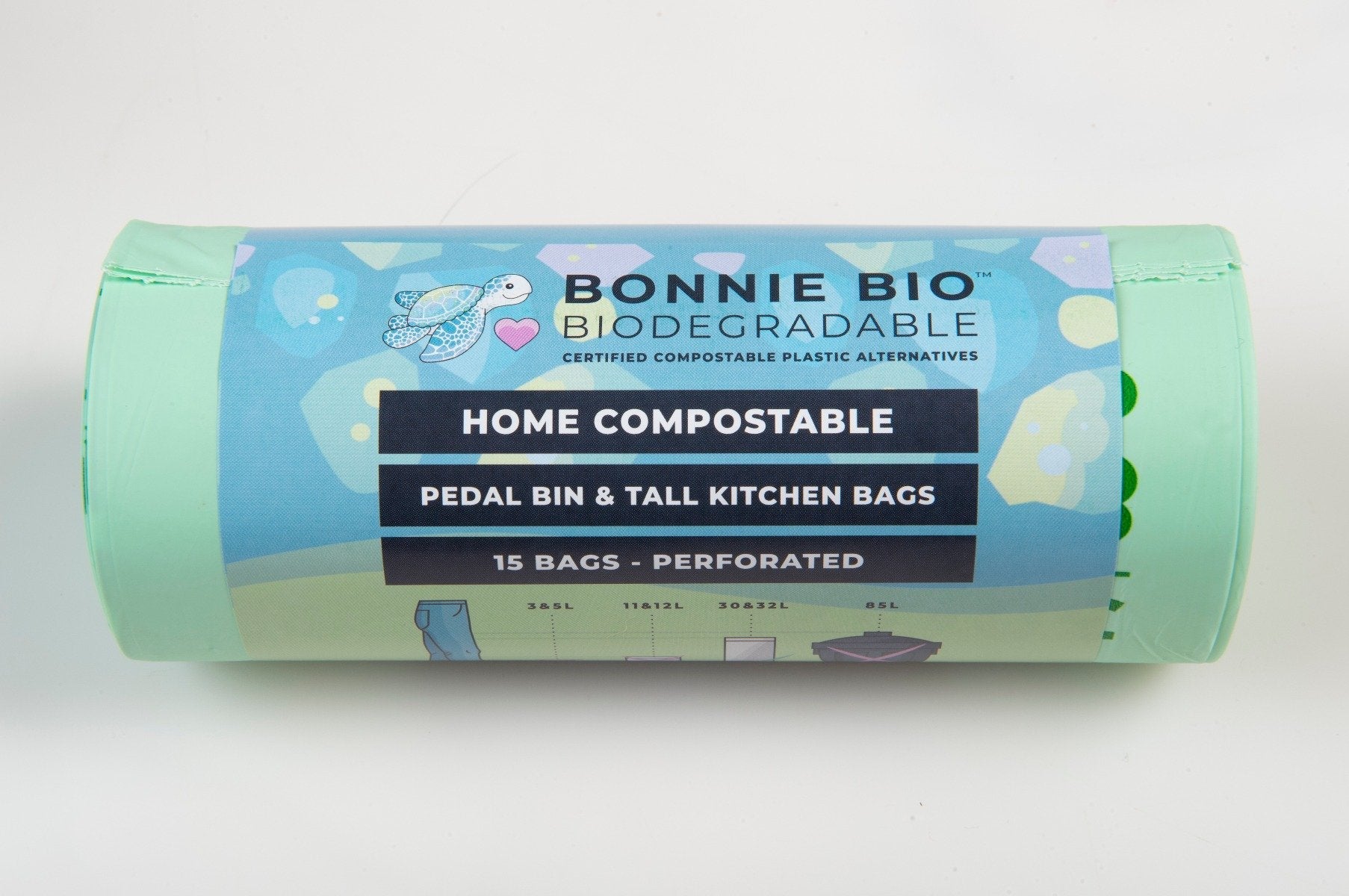
Composting is another growing conversation in eco-conscious homes, but it does not need to involve a complicated garden system. Countertop compost bins are now widely available and designed to minimise smell and mess. Even apartment dwellers can participate through municipal collection programmes or community compost initiatives where available. Food scraps that would otherwise end up in landfill can instead return nutrients to the soil.
Cleaning products are another area worth reconsidering. Many conventional kitchen cleaners come packaged in plastic and contain harsh chemicals that ultimately wash back into waterways. Plant-based, biodegradable alternatives are becoming increasingly accessible and effective. Refillable cleaning ranges and concentrated products also reduce packaging waste significantly over time.
Importantly, conscious living should not become another source of pressure or guilt. Sustainability does not require a perfectly aesthetic pantry or a zero-waste lifestyle. It is about making better choices where possible, more often than not. Progress matters far more than perfection.
The conscious kitchen is ultimately less about restriction and more about respect. Respect for the food we buy, the resources we use, the environment we live in, and the everyday habits that quietly shape our lives. And perhaps the most encouraging part is this: you do not need to reinvent your life to make a meaningful difference. Sometimes, simply becoming more mindful of what we consume, waste, and reuse is already a powerful place to begin.