Detoxing has become one of the most enduring trends in the wellness world. Juice cleanses, tea programmes, restrictive fasts, charcoal drinks, colon cleanses, and expensive supplement kits all promise to “flush toxins,” reset the body, and leave you glowing from the inside out.
For many people, the idea is appealing. After a season of indulgence, stress, poor sleep, or processed food, a detox can feel like a fresh start. But beneath the marketing, an important question remains: do we actually need to detox - and if so, what does that really mean?
The truth lies somewhere between hype and science.
Your Body Already Has a Detox System
The human body is not passive when it comes to waste removal. In fact, it has a highly sophisticated detoxification network working around the clock.
Your liver plays the starring role, filtering blood, processing hormones, breaking down medications, alcohol, and environmental compounds, and converting unwanted substances into forms that can be excreted.
Your kidneys filter waste through urine. Your digestive system eliminates what the body doesn’t need. Your skin supports elimination through sweat, while your lungs remove carbon dioxide with every breath.
In other words: if these systems are functioning well, your body is detoxing every day - no cayenne pepper cleanse required.
Why Detoxes Feel Like They Work
Many people report feeling lighter, clearer, or more energised after a detox programme. This doesn’t necessarily mean toxins were “released.”
Often, detox plans temporarily remove common habits that may have been making people feel sluggish in the first place: excess sugar, alcohol, ultra-processed foods, overeating, poor hydration, and erratic meal timing.
At the same time, they may increase water intake, fruit and vegetable consumption, rest, and mindfulness around eating.
The result? Improved energy, better digestion, reduced bloating, and a psychological sense of reset.
So while some detoxes may help people feel better, it is often the healthy habits - not the cleanse itself - doing the heavy lifting.
The Problem with Extreme Cleanses
Not all detox methods are harmless.
Very low-calorie juice cleanses can leave people fatigued, irritable, lightheaded, and low in protein. Laxative teas may lead to dehydration and electrolyte imbalance. Repeated colon cleanses can disrupt the gut microbiome and irritate the digestive tract.
Some detox supplements make bold claims with little evidence, while others may interact with medication or contain poor-quality ingredients.
Extreme restriction can also create an unhealthy all-or-nothing mindset around food: “bad” foods followed by punishment, then rebound overeating.
Wellness should feel sustainable - not like swinging between excess and deprivation.
What Real Detox Support Looks Like
If the body already detoxes naturally, the smartest approach is to support those built-in systems rather than override them.
Nourish the Liver
The liver relies on nutrients to function efficiently. Cruciferous vegetables such as broccoli, cauliflower, cabbage, and rocket contain compounds that support natural detoxification pathways. Garlic, onions, leafy greens, citrus, and herbs also provide helpful phytonutrients.
Protein matters too, as amino acids are needed for many detox processes.
Prioritise Fibre
One of the simplest detox tools is regular bowel movement. Fibre helps bind waste products and supports elimination through the digestive tract.
Think vegetables, fruit, oats, legumes, flaxseeds, chia seeds, nuts, and whole grains.
Hydrate Well
Water supports kidney filtration, circulation, digestion, and overall cellular function. Herbal teas and water-rich foods can also contribute.
Sweat and Move
Exercise improves circulation, supports lymphatic flow, and can enhance mood and metabolism. Whether it’s walking, yoga, strength training, or dancing, movement helps the body function optimally.
Sleep Deeply
During sleep, the body carries out repair and regulation processes essential for overall resilience. Poor sleep increases inflammation and places more strain on every system.
What About Supplements?
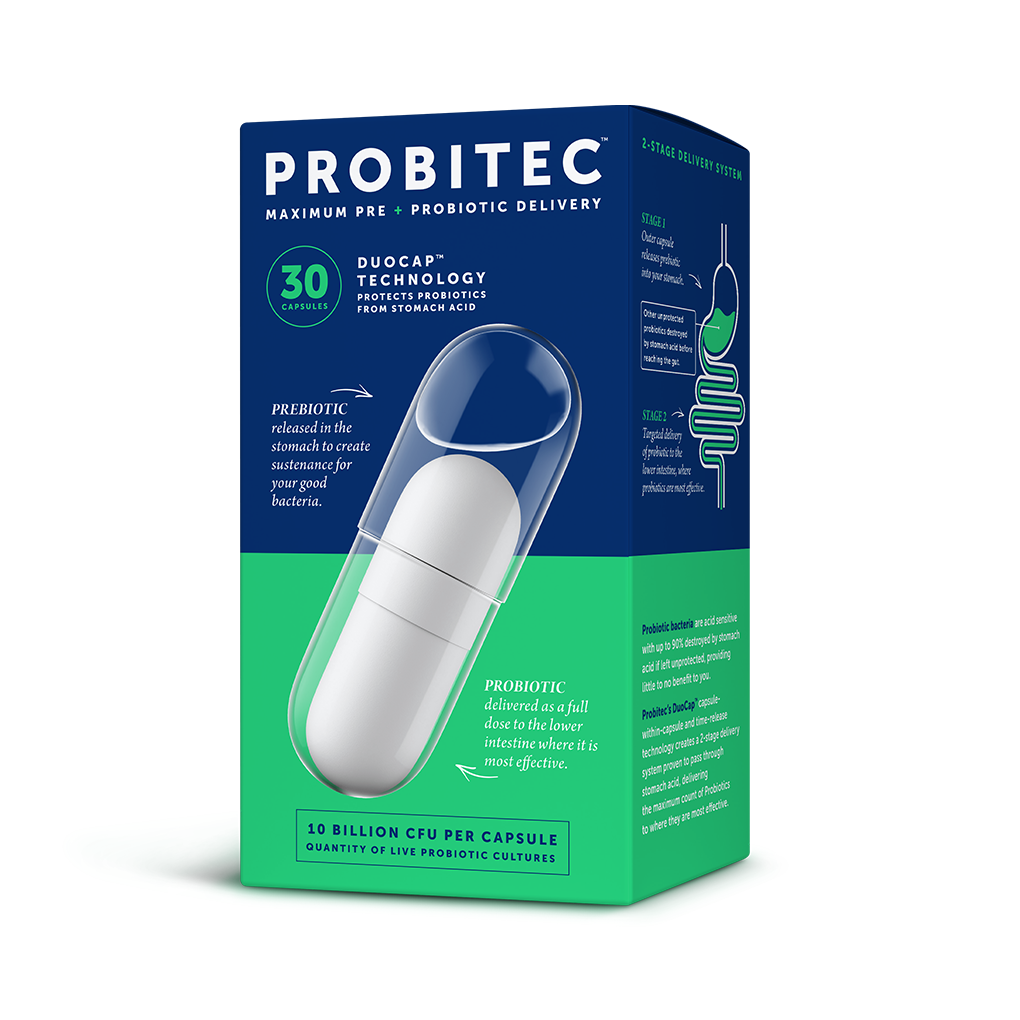
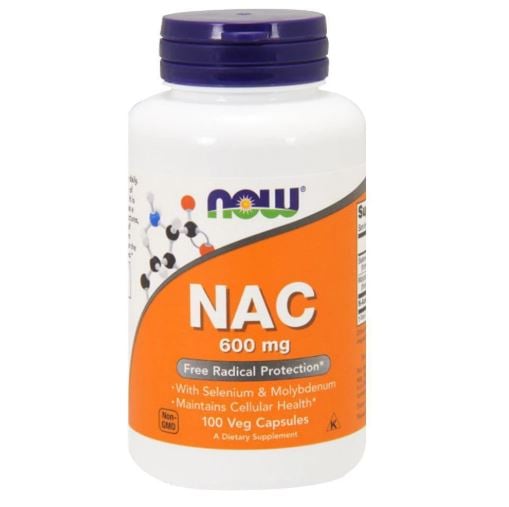
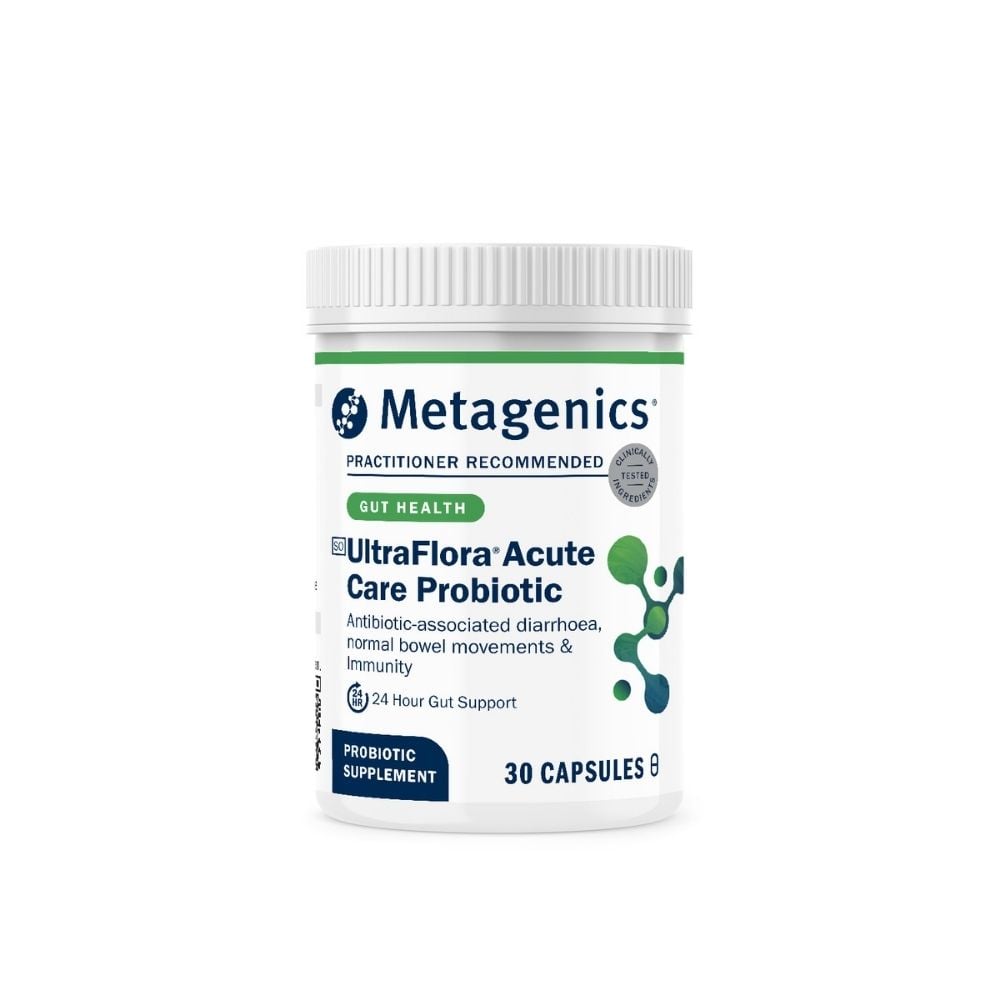
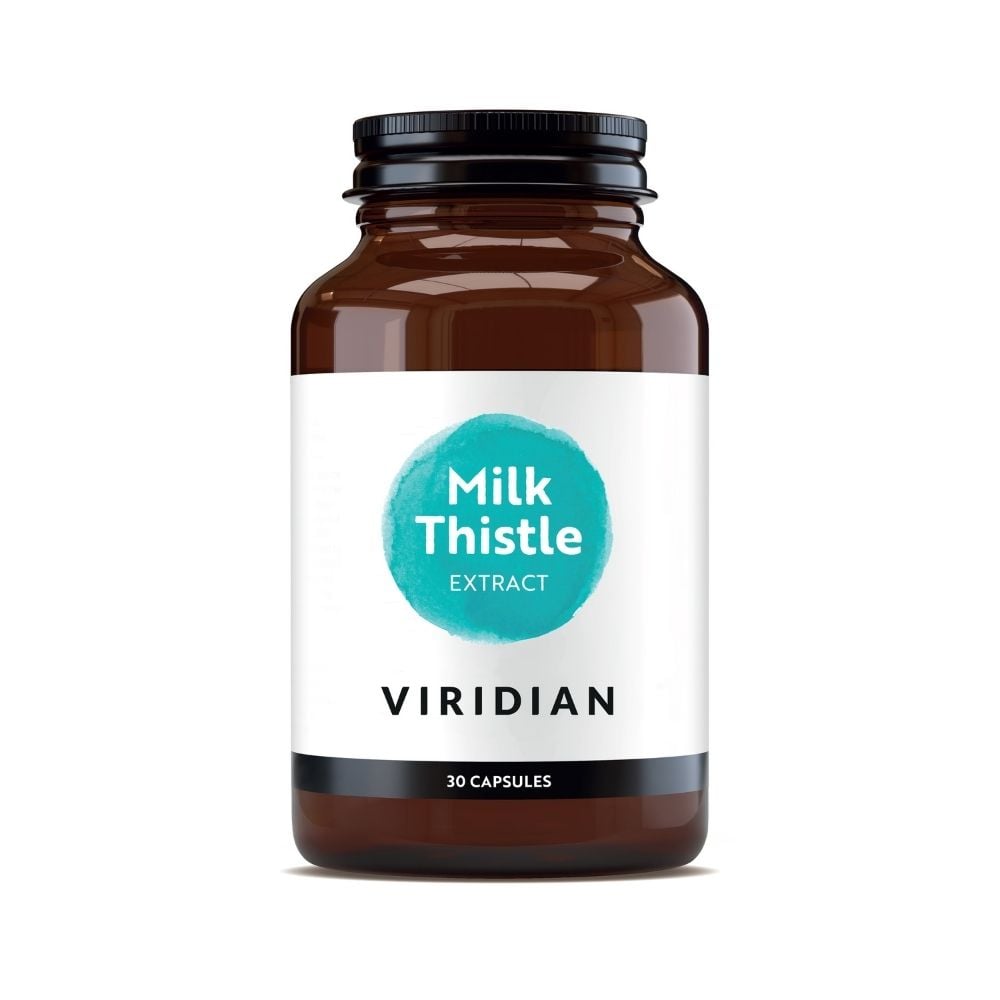
Some natural ingredients may support the body’s normal detox pathways when used appropriately. Milk thistle, turmeric, dandelion, artichoke, NAC, magnesium, and probiotics are commonly used depending on individual needs.
But supplements should complement healthy habits, not replace them.
As always, quality matters - and anyone with a medical condition, on medication, pregnant, or breastfeeding should seek professional advice before starting a detox product.
The Verdict
The detox debate is not really about whether detoxification happens - it absolutely does. It’s about whether expensive, extreme, or restrictive cleanses are necessary.
For most people, the answer is no.
The body already knows how to detox. What it needs is support: real food, hydration, fibre, movement, sleep, and fewer daily burdens such as excess alcohol, smoking, chronic stress, and processed foods.
The most effective detox is rarely dramatic. It’s the quiet consistency of habits that help your body do what it was designed to do all along.