01 Mar '26
The Nighttime
Clean-Up Crew:
Understanding Your
Glymphatic System
By: Wellness Warehouse
There’s a secret cleansing ritual happening inside your head every night — one that has nothing to do with face masks or serums. While you sleep, your brain flushes away cellular waste, toxins, and metabolic debris through a remarkable network called the glymphatic system.
Only discovered in 2012, this system has transformed our understanding of brain health, linking the quality of our sleep to everything from memory and mood to neurodegenerative disease prevention.
What Exactly Is the Glymphatic System?
Think of the glymphatic system as your brain’s waste-management and recycling network. It operates like the lymphatic system that drains toxins from the body, but instead of lymph vessels, it relies on glial cells (the brain’s support cells) to move cerebrospinal fluid (CSF) through the brain tissue. This fluid acts as a gentle river, sweeping through the brain’s tiny channels to wash away waste products like beta-amyloid and tau proteins — compounds associated with Alzheimer’s and other neurodegenerative conditions.
During the day, when you’re alert and active, the brain’s cells are tightly packed. But when you fall into deep sleep, these cells shrink by up to 60%, expanding the spaces between them and allowing CSF to flow freely. The result is a nightly “rinse cycle” that clears the clutter accumulated from a day of thinking, feeling, and functioning.
Sleep isn’t just rest — it’s your brain’s detox ritual.
Why Sleep Is the Secret Key
The glymphatic system is most active during slow-wave sleep, the deep, restorative stage that occurs early in the night. Studies show that even a single night of poor sleep can reduce glymphatic flow and lead to a build-up of brain waste — which may explain the foggy thinking and irritability that follow.
Over time, chronic sleep deprivation has been linked to cognitive decline and an increased risk of neurological disorders. Prioritising quality sleep — ideally seven to nine hours per night — isn’t indulgent; it’s essential detoxification.
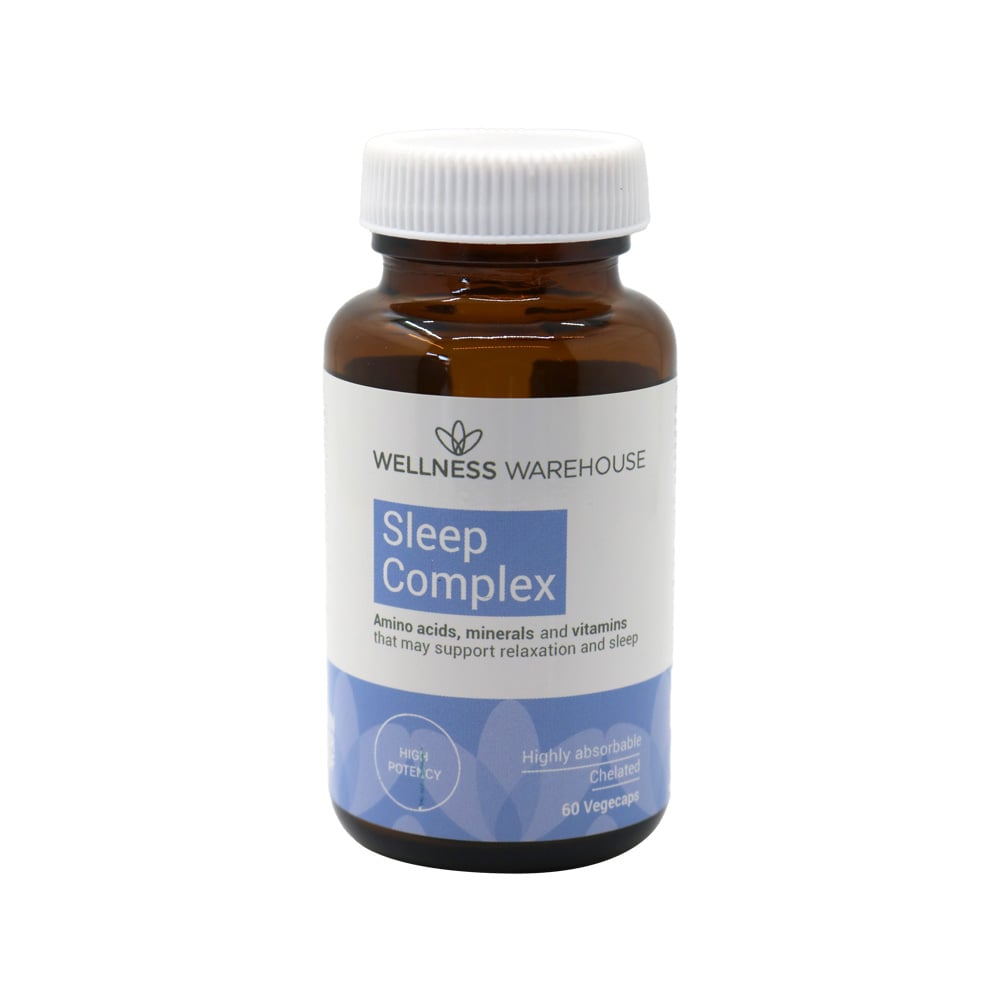
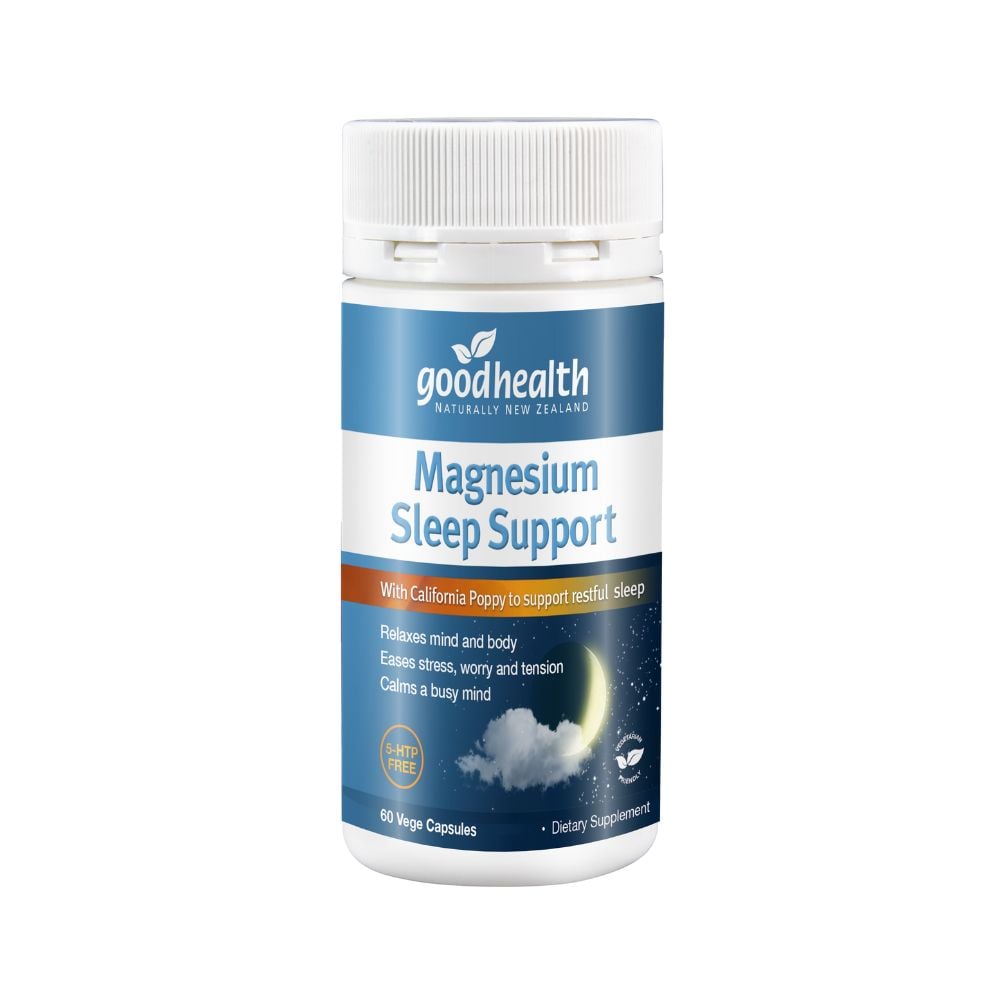
Natural sleep supporters like magnesium glycinate, valerian root, passionflower, or adaptogenic herbs such as ashwagandha can help regulate the nervous system and improve sleep depth, enhancing the glymphatic system’s nightly sweep.
The Role of Hydration, Movement & Breath
Because cerebrospinal fluid is derived from water, hydration plays a crucial role in glymphatic function. Even mild dehydration can reduce CSF volume, slowing waste removal. Aim for consistent water intake throughout the day and consider adding electrolytes or trace minerals if you drink filtered water.
Movement also matters. Gentle forms of exercise — walking, yoga, or stretching — help promote circulation and lymphatic flow, indirectly supporting the glymphatic system. Deep diaphragmatic breathing, meanwhile, creates subtle pressure changes in the chest and skull that encourage CSF movement. It’s a simple, free way to “pump” your brain’s cleaning fluid.
Sleeping Position and Brain Detox
Surprisingly, how you sleep can also affect brain detox. Research from Stony Brook University found that the side-sleeping position (especially on the left) allows for more efficient glymphatic drainage compared to sleeping on the back or stomach. It’s another reminder that even small lifestyle adjustments can have a profound impact on brain health.
Supporting Brain Detox Naturally
Beyond sleep and hydration, certain nutrients and habits can enhance glymphatic function:
- Omega-3 fatty acids from fish oil or algae help maintain cell membrane flexibility, aiding fluid exchange.
- Antioxidants from berries, green tea, and turmeric reduce oxidative stress, which can impair glial function.
- Intermittent fasting or finishing dinner earlier allows your body to divert energy toward cleansing during sleep.
- Cold exposure and contrast showers stimulate vascular tone, indirectly improving CSF circulation.
Supporting Brain Detox Naturally
The discovery of the glymphatic system has reframed sleep as one of the most powerful forms of detoxification. It’s not about juice cleanses or fasting challenges — it’s about allowing your brain to do what it was designed to do, naturally and nightly.
As Dr. Maiken Nedergaard, who first identified the system, famously said:
“The brain has its own cleaning system, and sleep is the price we pay for wakefulness.”
So tonight, skip the late-night scrolling, dim the lights, sip a calming tea, and let your glymphatic system get to work. Your brain — and your future self — will thank you.

01 Mar '26
The Nighttime
Clean-Up Crew:
Understanding Your
Glymphatic System
By: Wellness Warehouse
There’s a secret cleansing ritual happening inside your head every night — one that has nothing to do with face masks or serums. While you sleep, your brain flushes away cellular waste, toxins, and metabolic debris through a remarkable network called the glymphatic system.
Only discovered in 2012, this system has transformed our understanding of brain health, linking the quality of our sleep to everything from memory and mood to neurodegenerative disease prevention.
What Exactly Is the Glymphatic System?
Think of the glymphatic system as your brain’s waste-management and recycling network. It operates like the lymphatic system that drains toxins from the body, but instead of lymph vessels, it relies on glial cells (the brain’s support cells) to move cerebrospinal fluid (CSF) through the brain tissue. This fluid acts as a gentle river, sweeping through the brain’s tiny channels to wash away waste products like beta-amyloid and tau proteins — compounds associated with Alzheimer’s and other neurodegenerative conditions.
During the day, when you’re alert and active, the brain’s cells are tightly packed. But when you fall into deep sleep, these cells shrink by up to 60%, expanding the spaces between them and allowing CSF to flow freely. The result is a nightly “rinse cycle” that clears the clutter accumulated from a day of thinking, feeling, and functioning.
Sleep isn’t just rest — it’s your brain’s detox ritual.
Why Sleep Is the Secret Key
The glymphatic system is most active during slow-wave sleep, the deep, restorative stage that occurs early in the night. Studies show that even a single night of poor sleep can reduce glymphatic flow and lead to a build-up of brain waste — which may explain the foggy thinking and irritability that follow.
Over time, chronic sleep deprivation has been linked to cognitive decline and an increased risk of neurological disorders. Prioritising quality sleep — ideally seven to nine hours per night — isn’t indulgent; it’s essential detoxification.
Natural sleep supporters like magnesium glycinate, valerian root, passionflower, or adaptogenic herbs such as ashwagandha can help regulate the nervous system and improve sleep depth, enhancing the glymphatic system’s nightly sweep.
The Role of Hydration, Movement & Breath
Because cerebrospinal fluid is derived from water, hydration plays a crucial role in glymphatic function. Even mild dehydration can reduce CSF volume, slowing waste removal. Aim for consistent water intake throughout the day and consider adding electrolytes or trace minerals if you drink filtered water.
Movement also matters. Gentle forms of exercise — walking, yoga, or stretching — help promote circulation and lymphatic flow, indirectly supporting the glymphatic system. Deep diaphragmatic breathing, meanwhile, creates subtle pressure changes in the chest and skull that encourage CSF movement. It’s a simple, free way to “pump” your brain’s cleaning fluid.
Sleeping Position and Brain Detox
Surprisingly, how you sleep can also affect brain detox. Research from Stony Brook University found that the side-sleeping position (especially on the left) allows for more efficient glymphatic drainage compared to sleeping on the back or stomach. It’s another reminder that even small lifestyle adjustments can have a profound impact on brain health.
Supporting Brain Detox Naturally
Beyond sleep and hydration, certain nutrients and habits can enhance glymphatic function:
- Omega-3 fatty acids from fish oil or algae help maintain cell membrane flexibility, aiding fluid exchange.
- Antioxidants from berries, green tea, and turmeric reduce oxidative stress, which can impair glial function.
- Intermittent fasting or finishing dinner earlier allows your body to divert energy toward cleansing during sleep.
- Cold exposure and contrast showers stimulate vascular tone, indirectly improving CSF circulation.
Supporting Brain Detox Naturally
The discovery of the glymphatic system has reframed sleep as one of the most powerful forms of detoxification. It’s not about juice cleanses or fasting challenges — it’s about allowing your brain to do what it was designed to do, naturally and nightly.
As Dr. Maiken Nedergaard, who first identified the system, famously said:
“The brain has its own cleaning system, and sleep is the price we pay for wakefulness.”
So tonight, skip the late-night scrolling, dim the lights, sip a calming tea, and let your glymphatic system get to work. Your brain — and your future self — will thank you.