Why Plant Compounds Could Be One of Nature's Most Powerful Medicines
When we think about healthy eating, vitamins, minerals and protein often take centre stage. Yet hidden within colourful fruits, vegetables, herbs, spices, tea, coffee and even dark chocolate is a remarkable group of natural compounds that are receiving increasing attention from researchers: polyphenols.
These plant compounds are not considered essential nutrients in the same way as vitamins, but growing evidence suggests they play an important role in supporting long-term health. Acting as powerful antioxidants and anti-inflammatory compounds, polyphenols help protect plants from environmental stress - and when we eat a diet rich in them, they may offer similar protective benefits for us.
Rather than looking for a single "superfood," experts now encourage embracing what could be called a polyphenol prescription: eating a wide variety of colourful plant foods every day.
What Are Polyphenols?
Polyphenols are naturally occurring compounds found in thousands of plant foods. More than 8,000 different polyphenols have been identified, each with its own unique properties.
Some of the best-known groups include flavonoids, phenolic acids, lignans and stilbenes. These compounds are responsible for many of the vibrant colours, aromas and flavours found in nature, from the deep purple of blueberries to the bitterness of dark chocolate and the rich green of matcha.
Unlike synthetic antioxidants, polyphenols work in multiple ways throughout the body, influencing cellular health, immune function and communication between cells.
Fighting Oxidative Stress
Every day, our bodies produce free radicals as part of normal metabolism. Pollution, UV exposure, poor diet, smoking and chronic stress can further increase these unstable molecules, leading to oxidative stress.
Over time, oxidative stress may contribute to accelerated ageing and the development of chronic diseases.
Polyphenols help neutralise free radicals while supporting the body's own antioxidant defence systems. Rather than acting alone, they work alongside nutrients such as vitamins C and E to help protect cells from damage.
Supporting Heart Health
One of the most extensively researched benefits of polyphenols is their role in cardiovascular health.
Studies suggest that diets rich in polyphenol-containing foods may support healthy blood vessel function, improve circulation and help maintain healthy blood pressure already within the normal range. Certain polyphenols may also help reduce oxidation of LDL cholesterol, an important step in protecting cardiovascular health.
This may be one reason why traditional eating patterns such as the Mediterranean diet - naturally rich in colourful fruits, vegetables, olive oil, herbs and legumes - are consistently associated with improved heart health.
Feeding Your Gut Microbiome
Perhaps one of the most exciting areas of research is the relationship between polyphenols and the gut microbiome.
Many polyphenols reach the large intestine largely intact, where beneficial gut bacteria break them down into smaller compounds that can be absorbed and used by the body. In return, polyphenols help nourish beneficial bacteria while discouraging the growth of less desirable microbes.
This two-way relationship may support digestion, immune health and even brain function through the increasingly recognised gut-brain axis.
Brain Health and Healthy Ageing
Researchers are also exploring how polyphenols may support cognitive health as we age.
By helping reduce oxidative stress and inflammation while supporting healthy blood flow to the brain, polyphenol-rich foods may contribute to maintaining memory, concentration and overall brain function.
Although research is ongoing, diets abundant in berries, leafy greens, olive oil, tea and cocoa continue to be associated with better cognitive health over time.
Everyday Sources of Polyphenols
The good news is that polyphenols are found in many foods you may already enjoy.
Excellent sources include:
-
Berries, cherries and grapes
-
Apples, pears and citrus fruits
-
Leafy greens and colourful vegetables
-
Extra virgin olive oil
-
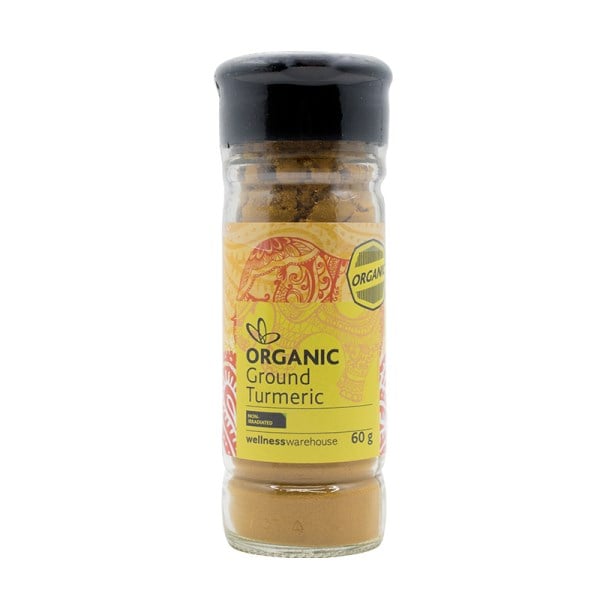
Herbs and spices such as turmeric, oregano, rosemary and cinnamon
-
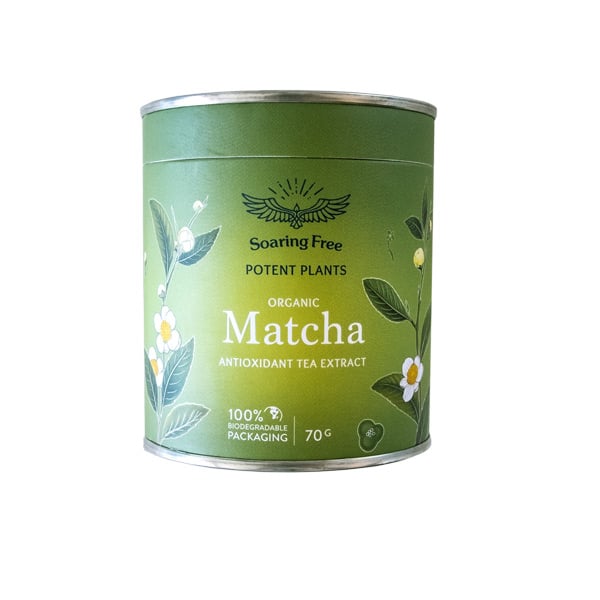
Green tea and black tea
-
Coffee
-
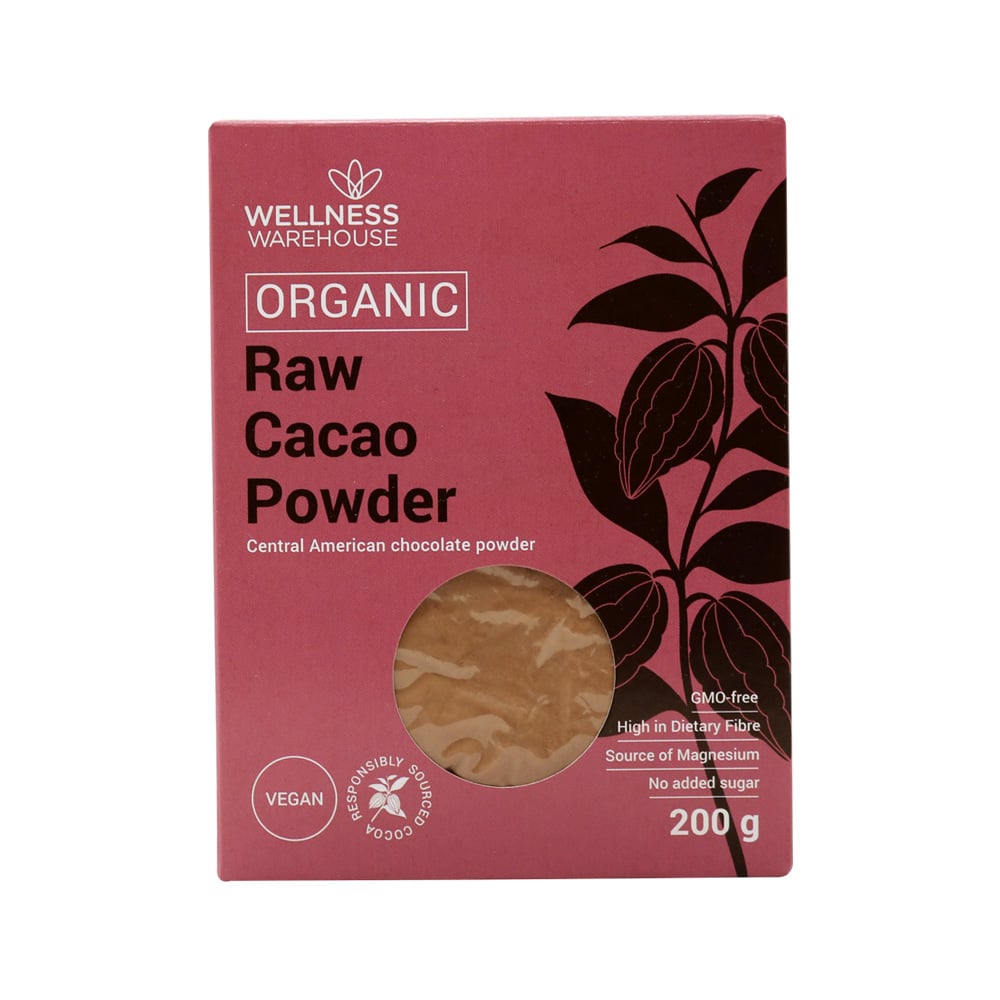
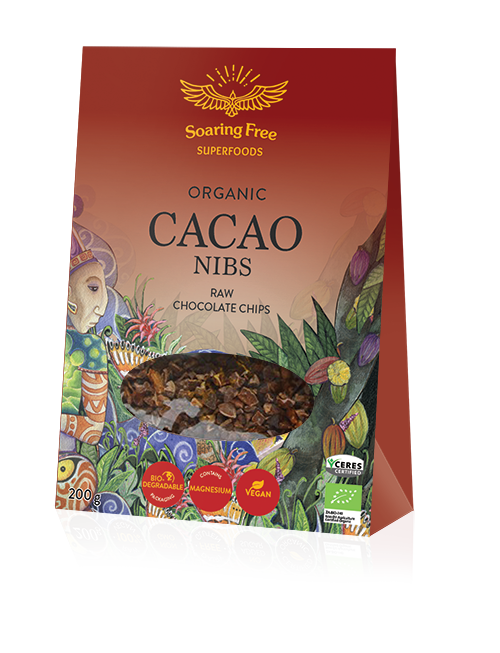
Dark chocolate (70% cocoa or higher)
-
Nuts, seeds and legumes
Eating a wide variety of plant foods ensures you're consuming a broad spectrum of beneficial compounds rather than relying on just one source.
Colour is Your Guide
One of the easiest ways to increase your polyphenol intake is to "eat the rainbow." Different colours often reflect different families of plant compounds, each offering unique health benefits.
Aim to include several colours on your plate each day - deep greens, vibrant reds, bright oranges, rich purples and sunny yellows. Fresh herbs, spices and colourful salads are simple ways to boost both flavour and polyphenol content.
Food First, Supplements Second
While polyphenol supplements are becoming increasingly popular, whole foods remain the preferred source. Plants naturally package polyphenols with fibre, vitamins, minerals and countless other beneficial compounds that work together in ways supplements cannot fully replicate.
If you do choose supplements containing ingredients such as resveratrol, quercetin or green tea extract, it's worth discussing them with a qualified healthcare practitioner, particularly if you're taking medication or managing a health condition.
A Prescription for Everyday Wellness
Unlike many health trends that promise dramatic results overnight, the power of polyphenols lies in their cumulative effect. Small, consistent dietary choices - adding berries to breakfast, drizzling olive oil over vegetables, brewing a cup of green tea or seasoning meals generously with herbs and spices - can gradually contribute to better health over time.
The polyphenol prescription isn't about restriction or perfection. It's about embracing the incredible diversity of plant foods that nature provides. By filling your plate with colour, variety and whole foods, you're nourishing your body at a cellular level and supporting your heart, brain, gut and immune system - one delicious bite at a time.