Why Everyone is Rethinking Their Intake
Once associated mainly with muscles, shakes, and post-workout meals, protein is now at the centre of a broader wellness conversation. From busy professionals and growing teens to menopausal women and healthy agers, more people are rethinking not only how much protein they consume, but what kind they choose.
Why the shift?
In simple terms, protein does far more than build muscle. It plays a key role in energy production, hormone function, immune health, metabolism, tissue repair, and keeping us fuller for longer. As awareness grows around healthy ageing, blood sugar balance, and body composition, protein is having a well-deserved moment.
Why Protein Matters More Than You Think
Protein is made up of amino acids, often referred to as the building blocks of life. Every cell in the body relies on them. They help create enzymes, support neurotransmitters, maintain muscle tissue, and repair everything from skin to organs.
Unlike carbohydrates and fats, the body does not store large reserves of protein in the same way, which means regular intake matters. If protein consumption is too low over time, the body may break down muscle tissue to access the amino acids it needs.
This becomes especially relevant as we age. From around our thirties onward, we naturally begin to lose muscle mass unless we actively work to maintain it through movement and nutrition. Preserving lean muscle is one of the most powerful ways to support mobility, balance, metabolic health, and independence later in life.
The Energy and Metabolism Connection
Many people are surprised to learn how strongly protein influences daily energy. Protein helps stabilise blood sugar when included in meals, reducing the sharp spikes and crashes that can follow highly refined, carb-heavy eating patterns.
It also has a higher thermic effect than fats or carbohydrates, meaning the body uses more energy to digest and process it. While this is not a magic solution for weight management, it can support a healthy metabolism when combined with a balanced lifestyle.
Perhaps most importantly, protein is highly satisfying. Meals that include enough protein tend to keep hunger at bay for longer, making it easier to avoid constant snacking or late-afternoon energy slumps.
Are We Eating Enough?
Many people technically meet the minimum daily requirement to avoid deficiency, but optimal health may require more, especially during periods of stress, exercise, recovery, ageing, or hormonal transition.
Breakfast is often where the gap begins. Toast, cereal, pastries, or fruit alone may offer quick fuel, but little lasting satiety. Compare that to eggs, Greek yoghurt, a protein smoothie, tofu scramble, or nut butter with oats, and the difference in energy and fullness can be significant.
Distributing protein across the day is also more effective than loading it all into dinner. Aim to include a quality protein source with each meal.
Does the Type of Protein Matter?
Absolutely. Variety and quality are key.
Animal-based proteins such as eggs, fish, poultry, yoghurt, and lean meats are complete proteins, meaning they contain all essential amino acids. They can be highly effective for muscle repair and overall nourishment.
Plant-based proteins are increasingly popular for ethical, environmental, and digestive reasons. Beans, lentils, chickpeas, quinoa, tofu, tempeh, edamame, nuts, and seeds all contribute valuable protein alongside fibre and phytonutrients. Combining a variety of plant foods across the day helps ensure a full amino acid spectrum.
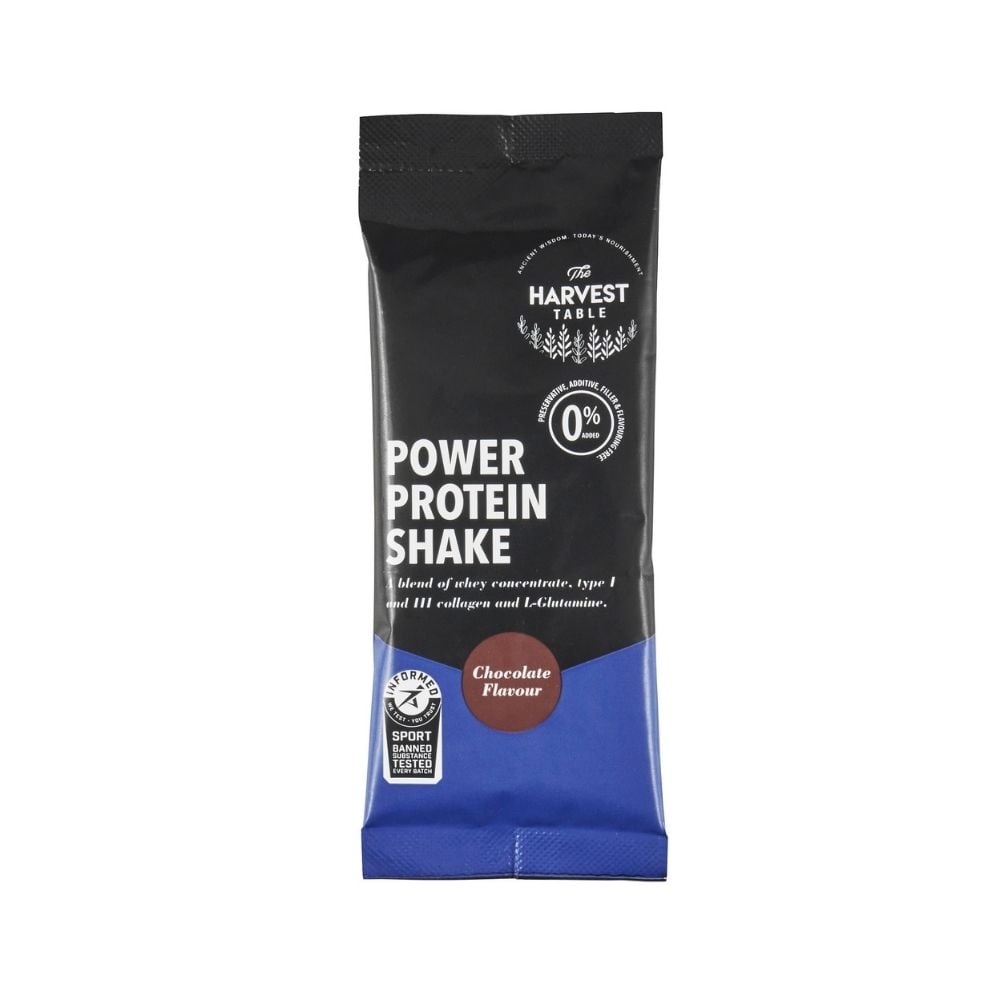
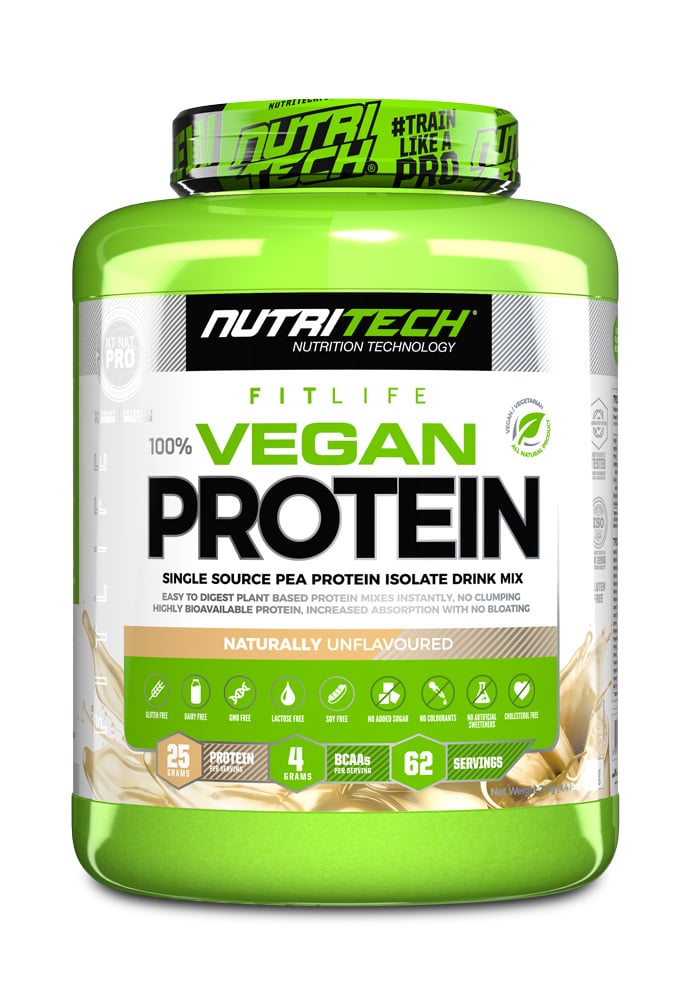
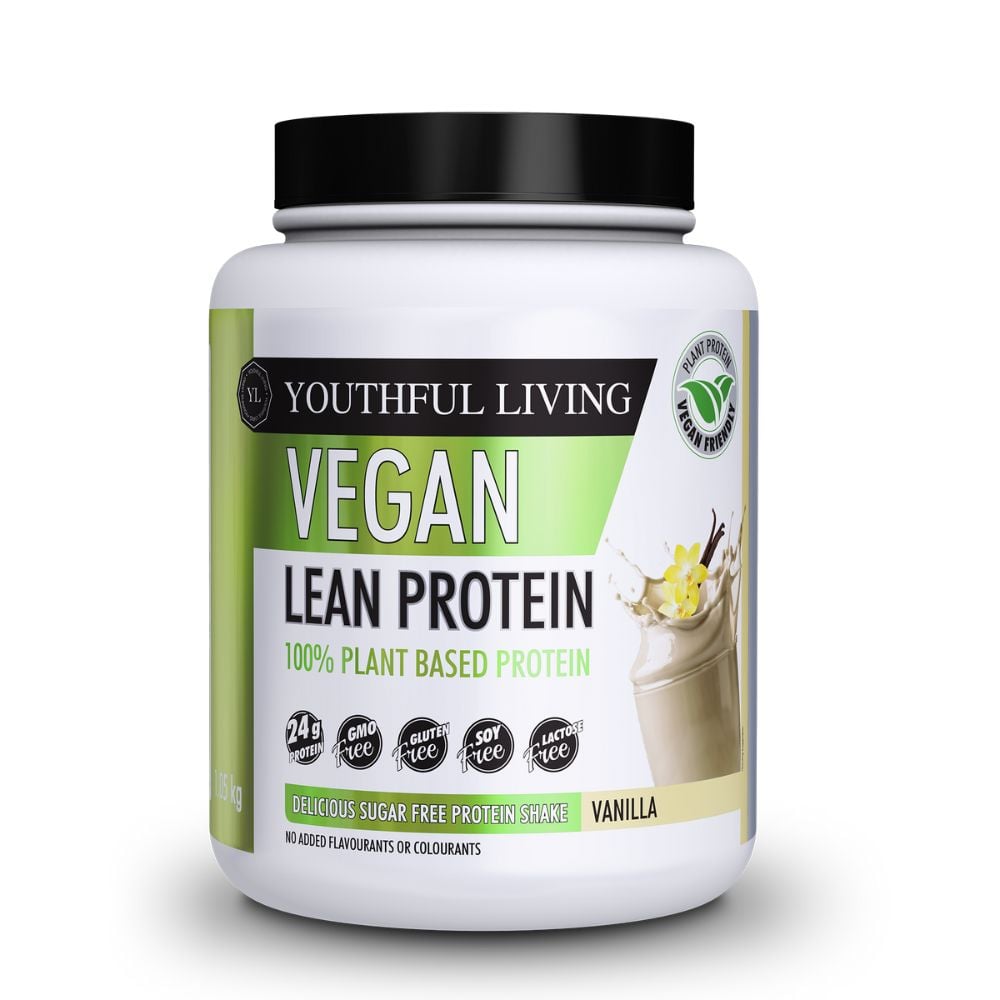
Protein powders can also be useful when convenience is needed. Look for clean formulations with minimal additives, whether whey, collagen, pea, hemp, or blended plant proteins.
Who Should Pay Special Attention?
Certain groups may benefit from reviewing their intake more carefully:
-
Older adults, to help preserve muscle mass
-
Women in midlife, when hormonal changes can affect body composition
-
Active individuals, for recovery and performance
-
Vegetarians or vegans, to ensure variety and adequacy
-
Busy professionals, who skip meals or rely on convenience foods
The Smart Protein Approach
This is not about obsessing over grams or eating excessively high-protein diets. It is about recognising that many modern meals are built around convenience, not nourishment.
A smarter approach looks like adding seeds to breakfast, choosing yoghurt over sugary snacks, building lunches around legumes or chicken, and ensuring dinner includes a meaningful protein source with plenty of vegetables.
The protein shift is really a wellness shift: moving away from empty calories and towards meals that sustain us. When chosen wisely and eaten consistently, protein can help support stronger bodies, steadier energy, and healthier years ahead.