Why Everyone Is Talking About These Powerful Proteins
What Are Peptides?
Think of peptides as tiny messengers made from amino acids, the building blocks of protein. While proteins help build muscles, skin and organs, peptides have another important job: they help cells communicate. They send signals that tell your body when to repair tissue, produce collagen, build muscle or regulate hormones.
Your body naturally produces peptides every day, making them an essential part of how it repairs, adapts and functions.
The Science Made Simple
The reason peptides are attracting so much attention is their ability to "communicate" with the body. Rather than replacing your body's natural functions, they help guide them by sending signals that trigger specific responses, such as producing collagen, repairing tissue after exercise or regulating hormones.
Researchers are continuing to uncover how these natural signalling molecules work and how they may be used to support health in increasingly targeted ways. It's this growing understanding of the body's own communication system that has made peptides one of the most exciting areas of modern wellness science.
Why Are They Trending?
Peptides aren't new. They have been studied for decades, but they've never been more popular.
From collagen powders and anti-ageing skincare to breakthrough medicines for weight management, peptides are appearing everywhere. They're being hailed as the next frontier in wellness, with researchers exploring their potential to support healthy ageing, muscle recovery, skin health and metabolic wellbeing.
Much of the recent excitement has been fuelled by the success of GLP-1 medicines, a class of prescription drugs that mimic a naturally occurring peptide hormone involved in regulating appetite, blood sugar and digestion. Their effectiveness in treating obesity and type 2 diabetes has transformed conversations around metabolic health. At the same time, growing interest in longevity has encouraged more people to look beyond treating illness and towards supporting the body's natural repair and recovery systems.
With so many peptide products now on the market, it's important to understand that they don't all work in the same way.
Different Peptides, Different Purposes
Not all peptides do the same job. The term peptide covers a wide range of compounds, each designed to perform a different function.
Collagen peptides are the most familiar. Found in many supplements, they provide the building blocks needed to support healthy skin, joints and connective tissue.
Bioactive peptides occur naturally in protein-rich foods or are released during digestion. Researchers are exploring how they may support heart health, immune function and healthy blood pressure.
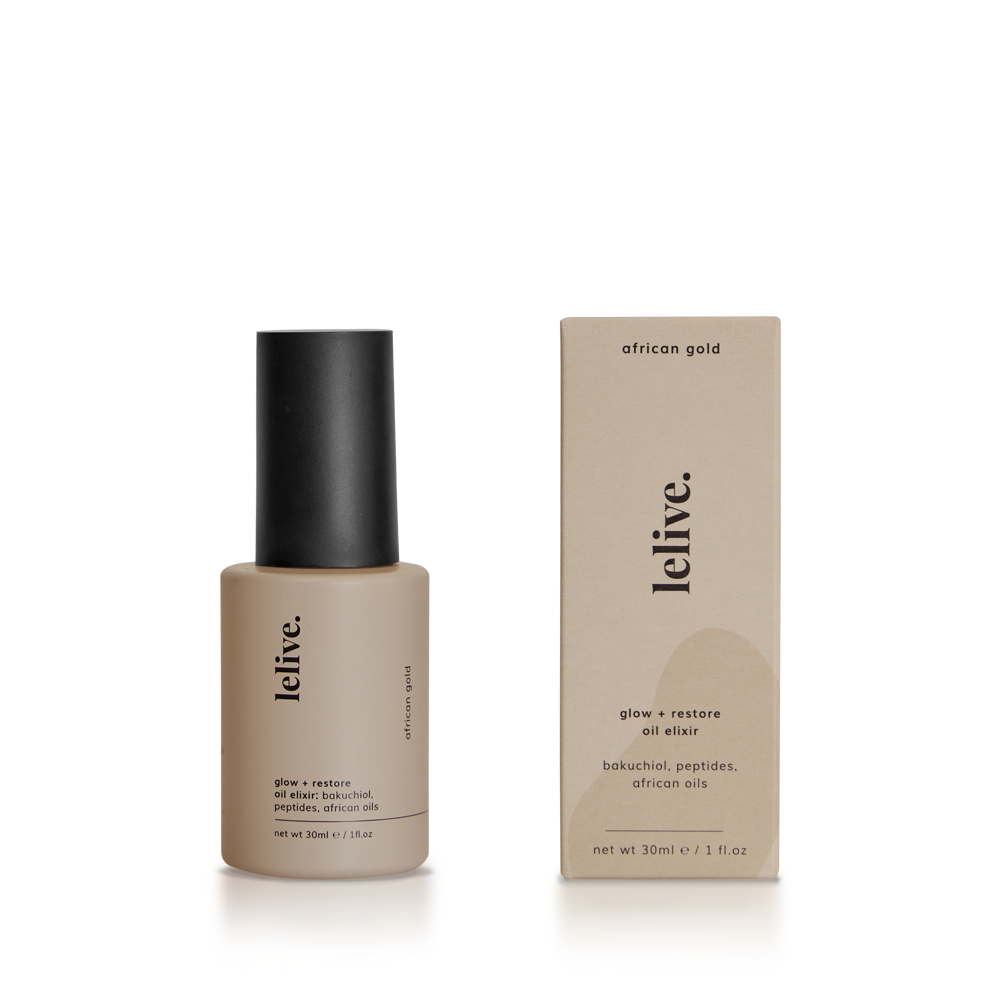
Cosmetic peptides are used in skincare to support collagen production and strengthen the skin barrier, helping to maintain healthier-looking skin.
Prescription peptide medicines, including GLP-1 therapies, work differently. They mimic natural hormones involved in regulating appetite and blood sugar and are prescribed to help manage obesity and certain metabolic conditions. Because they affect important biological processes, they should only be used under the guidance of a qualified healthcare professional.
But Are They Safe?
As peptides have grown in popularity, the market has become flooded with products making bold claims. From supplements and skincare to injectable peptides sold online, not all products are created equal.
Before buying a peptide product, choose a reputable brand, check that the ingredients are clearly listed and be wary of products promising dramatic weight loss, instant muscle growth or "miracle" anti-ageing results.
If you're considering a prescription peptide medicine, such as a GLP-1 treatment for weight management, speak to a qualified healthcare professional first. Many women explore these medicines during perimenopause and menopause, when hormonal changes can make weight management more challenging. While GLP-1 medicines don't affect oestrogen levels, they can influence appetite and lead to significant weight loss, making it important to protect muscle mass, support bone health and ensure your nutritional needs are being met. A healthcare professional can help determine whether this type of treatment is appropriate for you and how best to use it as part of an overall lifestyle plan.
Supporting Your Body Naturally
While some peptides are available as supplements or medicines, your body already produces many of its own. Supporting this natural process starts with the basics.
Eating enough high-quality protein provides the amino acids your body needs to make proteins and peptides. Regular exercise, quality sleep, good nutrition and effective stress management all help support your body's natural repair and recovery processes.
While peptides are an exciting area of research, they work best as part of a balanced approach to health. Healthy daily habits remain the foundation of long-term wellbeing.