For Your Wellbeing
For decades, sunlight has had a mixed reputation. While we have become increasingly aware of the dangers of excessive UV exposure and skin cancer, there is another side to the story.
Emerging research continues to highlight that sensible sun exposure plays a vital role in supporting many aspects of our physical and mental wellbeing.
Like so many things in health, the answer lies in balance rather than extremes.
"Sunlight is much more than a source of warmth or a way to brighten the day. It acts as an important environmental signal that helps regulate everything from our sleep and mood to our immune system and bone health".
Your Body's Natural Vitamin D Factory
Perhaps the best-known benefit of sunlight is its role in vitamin D production. When ultraviolet B (UVB) rays reach the skin, they trigger a process that allows the body to manufacture vitamin D naturally.
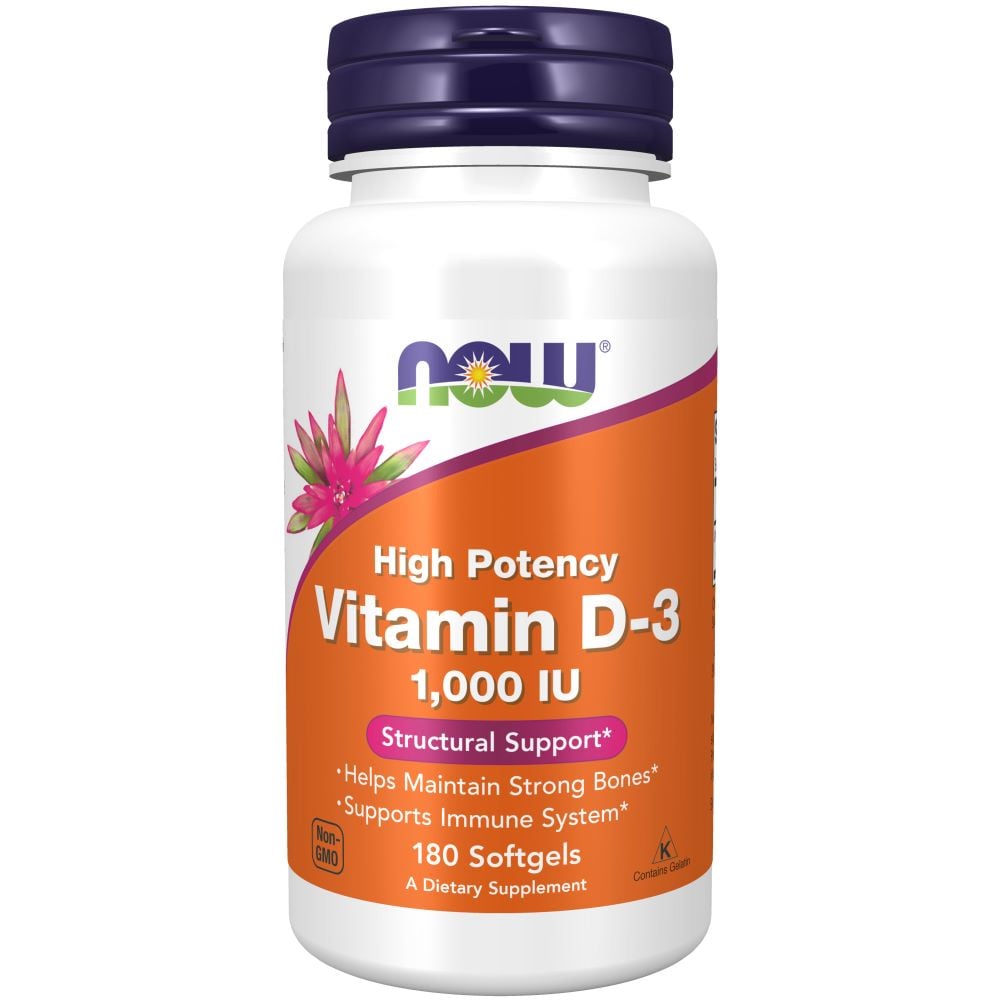
Vitamin D is essential for calcium absorption, helping to maintain strong bones and teeth while reducing the risk of osteoporosis later in life. It also supports muscle function and plays an important role in immune health, with researchers continuing to investigate its influence on respiratory infections, autoimmune conditions and inflammation.
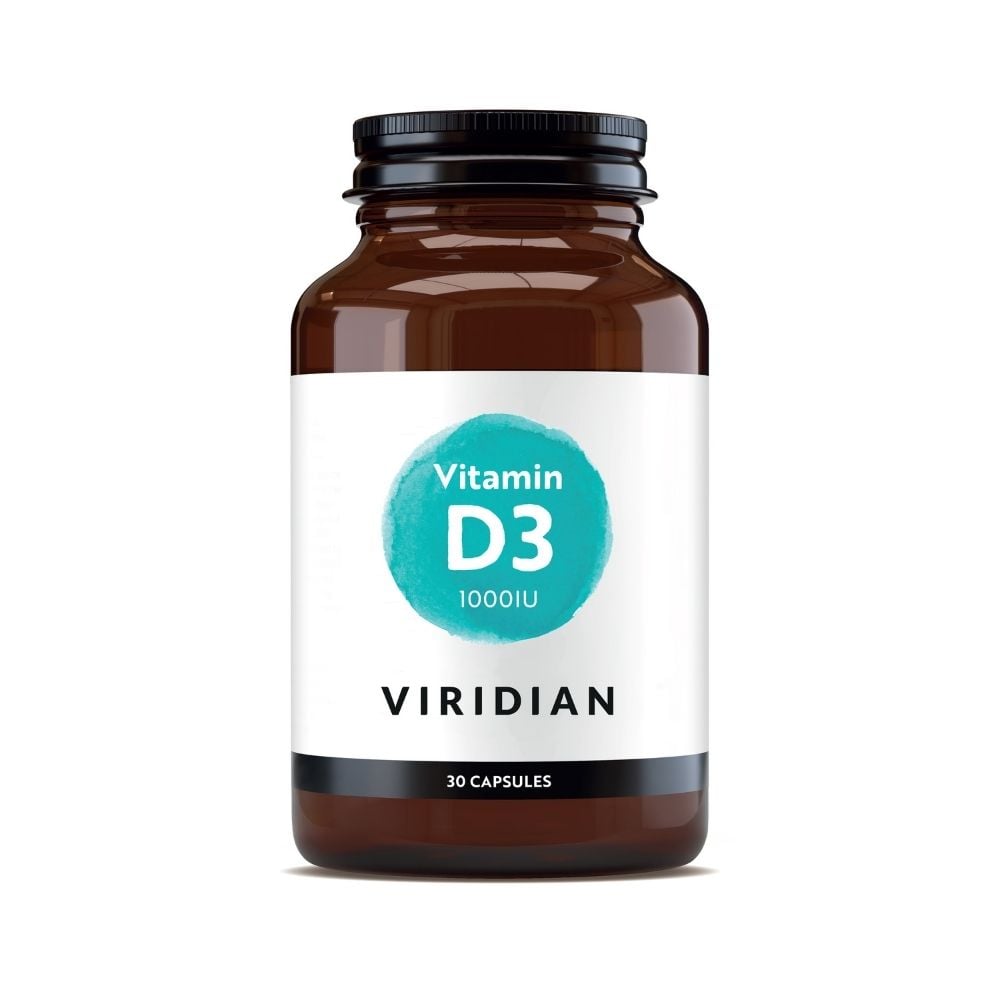
While some vitamin D can be obtained through foods such as oily fish, egg yolks and fortified products, it is surprisingly difficult to meet daily requirements through diet alone. For many people, moderate sunlight exposure remains the most effective source, although supplementation may still be necessary during winter or for those who spend little time outdoors.
Sunlight and Your Internal Clock
One of sunlight's most powerful effects has nothing to do with vitamin D. Natural light helps regulate the circadian rhythm - the body's internal 24-hour clock that governs sleep, hormone production, digestion and energy levels.
Morning sunlight, particularly within the first hour after waking, sends a powerful signal to the brain that it is time to be alert. This helps suppress melatonin, the hormone responsible for sleepiness, while promoting wakefulness and focus during the day.
Regular exposure to natural morning light also encourages healthy melatonin production later in the evening, making it easier to fall asleep and enjoy deeper, more restorative rest. This simple daily habit has become a cornerstone recommendation for improving sleep quality naturally.
A Natural Mood Booster
Have you ever noticed how much brighter life feels after spending time outdoors? There is science behind that feeling.
Exposure to sunlight is associated with increased production of serotonin, a neurotransmitter involved in mood regulation, emotional wellbeing and feelings of calm. Lower light exposure during winter months has been linked to Seasonal Affective Disorder (SAD), a form of depression that typically occurs during darker seasons.
Even for those without SAD, spending time outdoors in natural daylight has been shown to improve mood, reduce stress and increase overall feelings of vitality. Combined with movement and time in nature, sunlight becomes part of a powerful prescription for mental wellbeing.
Beyond Vitamin D
Scientists are uncovering additional ways that sunlight benefits health beyond vitamin D production.
Research suggests that sunlight may help stimulate the release of nitric oxide from the skin, a compound that supports healthy blood vessel function and may contribute to lower blood pressure. Natural light exposure has also been associated with healthier immune regulation and reduced chronic inflammation, although these areas continue to be actively researched.
Time spent outdoors often brings other health-promoting behaviours too. People are more likely to walk, exercise, connect socially and spend time in green spaces when they venture outside – all of which contribute to better overall wellbeing.
Finding the Healthy Middle Ground
Of course, more sun is not always better. Excessive ultraviolet exposure remains a major risk factor for premature skin ageing and skin cancers, including melanoma.
The goal is sensible, non-burning sun exposure. The amount needed varies according to skin tone, age, season, time of day and geographic location. For many people, short periods of sun exposure to the arms and legs several times a week may be sufficient, while avoiding prolonged exposure that results in reddening or burning.
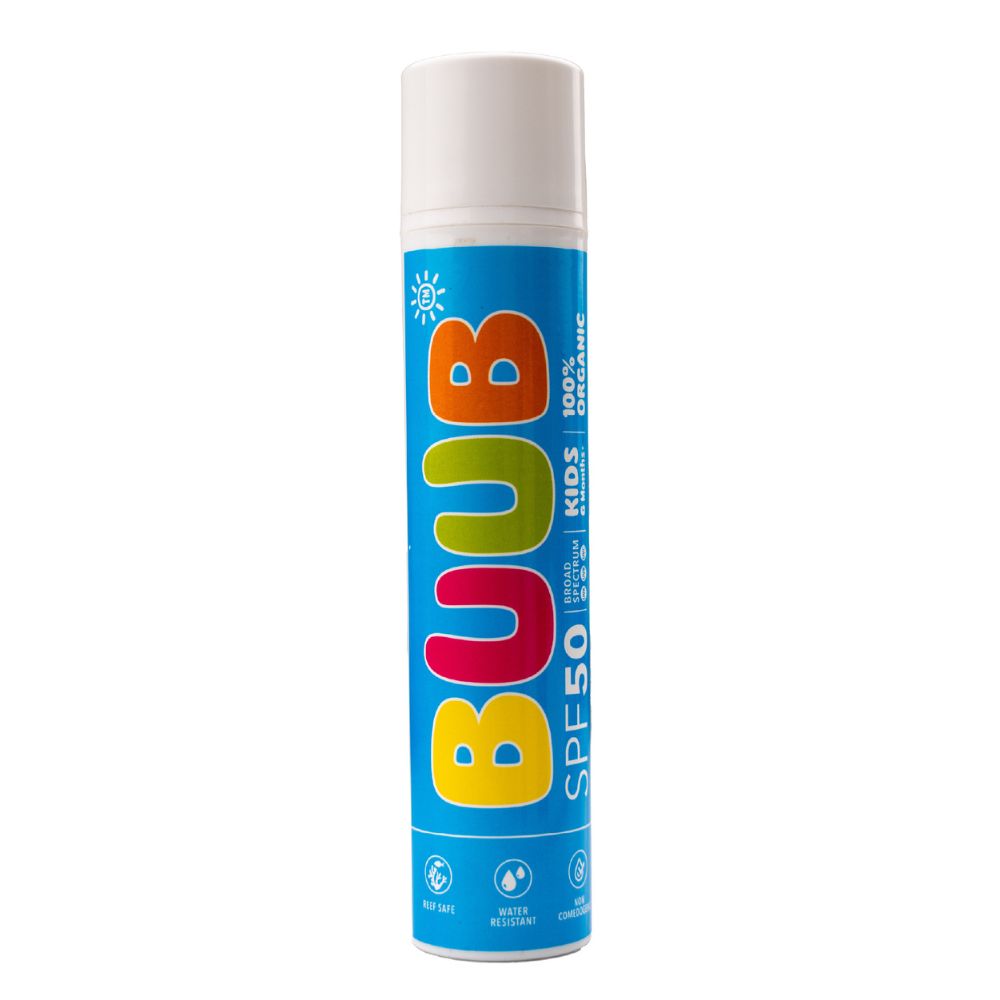
Protective clothing, hats, sunglasses and sunscreen remain important whenever spending extended periods outdoors, particularly during peak UV hours.
Ultimately, sunlight should be viewed much like nutrition or exercise: an essential ingredient for health when enjoyed in the right amount. By combining safe sun habits with regular time outdoors, we can harness one of nature's simplest and most accessible tools for supporting better sleep, stronger bones, improved mood and long-term wellbeing.