Why Repair is the New Anti-Ageing
Fine lines, wrinkles, and age spots are part of your skin’s natural progression. The appeal of youthful, supple skin keeps the anti-ageing skincare sector thriving. For decades the beauty playbook has focused on acids for lines, peels for dark patches, scrubs for dullness, anti-ageing creams, serums, and ingestibles all promising the same thing – to turn back time. In trying to erase the ageing symptoms, we have often leaned towards a disconnected approach - isolated and harsh actives which leave the skin inflamed for surface fixes or collagen without barrier support. The collective consequence? Vulnerable, unprotected and weakened barriers, which age the skin faster and counteract the very prevention we are seeking.
What Is the Skin Barrier?
Think of the skin barrier as your body’s frontline defence. It is the outermost layer of the epidermis, often described as a brick-and-mortar wall: cells are the bricks, and lipids like ceramides, cholesterol, and fatty acids are the mortar. When intact, it locks in moisture, blocks irritants and bacteria, and shields against inflammation.
When weakened, the signs show quickly — tightness, flaking, redness, stinging with products, breakouts, and a dullness no highlighter can fix. More importantly, a compromised barrier triggers low-grade inflammation, or inflammageing, which steadily breaks down collagen and elastin, accelerating the very signs of ageing most people are trying to prevent.
"Barrier repair is long term: it calms, restores, and protects skin from the inflammation that speeds up ageing."
The repair process is not one-dimensional — it works from the outside in and the nside out through topical care, nutrition, and lifestyle.
Ingredients that Repair
At the surface, the right ingredients do not just smooth, they rebuild. Look for these in your products:
-
Ceramides replenish barrier lipids.
-
Cholesterol stabilises and strengthens barrier structure.
-
Fatty acids restore flexibility and resilience.
-
Humectants such as glycerine, panthenol, and hyaluronic acid draw water into the skin for hydration.
-
Peptides signal repair and collagen synthesis.
-
Occlusives such as beeswax, shea butter, jojoba, avocado oil, and lanolin lock in moisture and prevent water loss.
Still using retinoids or acids? Dermatologists strongly recommend pausing all retinoids and exfoliating acids (AHAs, BHAs, Vitamin C) while repairing the skin barrier.
Supporting Nutrients
Topical care works best when complemented with these nutrients in your diet to strengthen the results:
-
Omega-3 fatty acids reduce inflammation and support lipid production.
-
Protein provides amino acids for collagen and keratin.
-
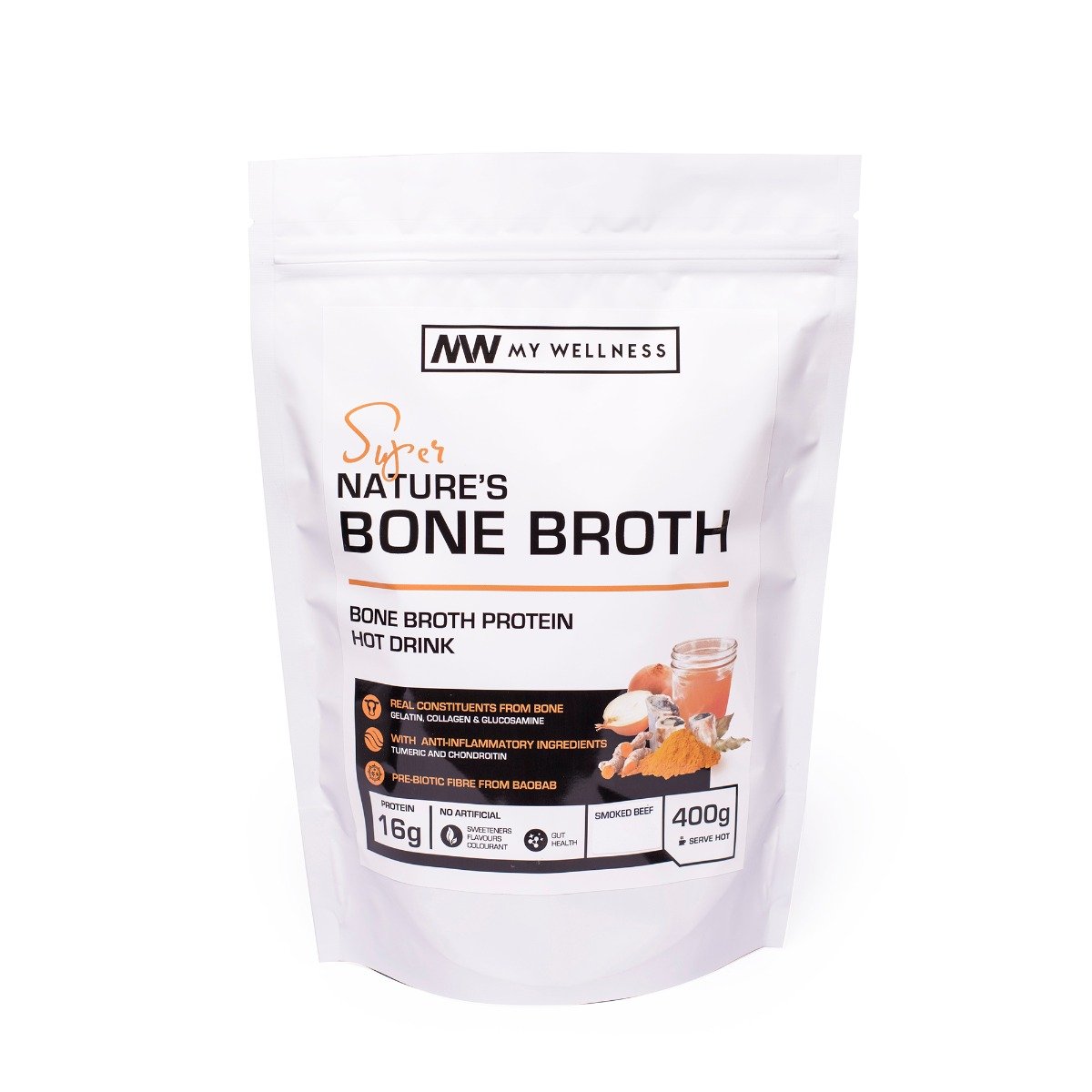
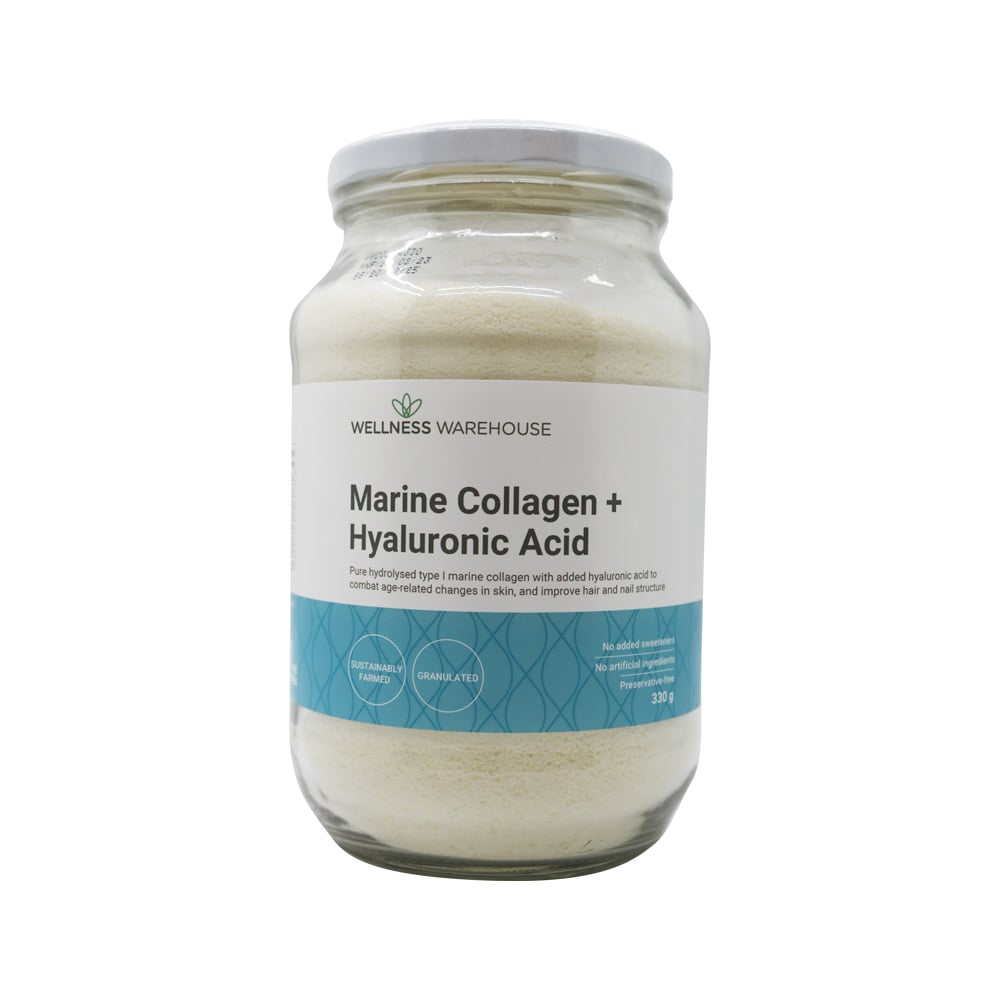
Collagen peptides supply building blocks for elasticity and repair (sip some bone broth).
-
Zinc and Vitamin A are essential for repair and cell turnover.
-
Vitamin C and E antioxidants that protect barrier lipids.
-
Water for internal hydration
-
Fruit and Vegetables supply antioxidants to defend barrier lipids.
-
Pre- and postbiotics support a balanced microbiome for stronger barrier function.
Habits to adopt
Barrier repair is not only about products or nutrients. Build these daily habits into your routine:
-
Manage stress to lower cortisol.
-
Prioritise sleep, aim for consistent rest for overnight repair.
-
Balance blood sugar — steady meals with protein, fibre, and healthy fats reduce inflammation and protect collagen.
-
Exercise — regular movement boosts circulation and supports repair.
My own skin barrier needed repairing. Facial stress lines appeared with poor sleep and nutrition gaps. Using harsh actives made it worse. The repair mode changed the game. I started eating to balance blood sugar with protein, healthy fats, regular bone broth, and legumes, plus long daily walks - all leading to better sleep - together with selected topicals from the list above. Patience and consistency were key ingredients. Within weeks, my skin regained and maintained a youthful vitality.
We are all unique, and there is a bespoke rhythm for you. In principle, it is about supporting, repairing, and protecting the barrier — giving your skin the chance to age better.
ABOUT THE AUTHOR
Mpho is a Health & Wellness Coach through the Health Coaches Academy, and has also completed two professional certifications with Wageningen University to stay relevant and credible as she advocates for health, wellness, and natural beauty.