Small Nutrients, Big Clinical Impact
In today’s health-conscious world, conversations often revolve around protein intake, probiotics, antioxidants, or the latest superfood. Yet one of the most foundational components of human health receives far less attention: trace minerals.
Though required in minute amounts, trace minerals play an outsized role in supporting energy production, immune resilience, thyroid regulation, antioxidant protection, and cellular repair. Without them, the body’s intricate systems cannot function efficiently.
And increasingly, research suggests that many people may not be getting enough.
The Quiet Importance of Trace Minerals
Minerals are elemental nutrients the body cannot produce on its own. They must be obtained from food, water, or supplementation when appropriate. While larger “macro” minerals like calcium and magnesium are widely recognized, trace minerals — including zinc, selenium, iodine, copper, manganese, chromium, molybdenum, and iron — are equally essential.
These elements act as biological catalysts. They help activate enzymes, regulate hormones, support immune cell communication, and defend against oxidative stress.
-
Zinc and selenium contribute to healthy immune signaling and inflammatory balance.
-
Iodine and selenium are central to thyroid hormone production and activation.
-
Selenium-dependent enzymes help protect cells from oxidative damage.
-
Several trace minerals support mitochondrial energy production and neurological performance.
Though required in small quantities, deficiencies can ripple across multiple systems.
What Current Research Shows
Modern clinical research continues to explore the role of trace minerals in health maintenance and disease prevention.
A large systematic review and meta-analysis of randomized controlled trials found that zinc supplementation may reduce the duration of acute viral respiratory infections in adults when used appropriately. Results vary depending on formulation and dosage, but the findings underscore zinc’s role in immune resilience.
Similarly, selenium has been studied extensively in thyroid health. Recent meta-analyses evaluating selenium supplementation in individuals with Hashimoto’s thyroiditis show potential effects on thyroid antibody markers, though results remain mixed and individualised.
Clinical nutrition guidance consistently emphasizes that both deficiency and excess of trace minerals can influence health outcomes. Certain groups — including pregnant individuals, older adults, those with digestive disorders, restrictive diets, or high physical stress — may be at higher risk of insufficiency.
The scientific consensus is not that everyone needs high-dose supplementation. Rather, it is that optimal mineral status matters, and balance is key.
Why Modern Diets May Fall Short
Historically, humans obtained minerals naturally through mineral-rich soil, whole foods, and untreated water sources. Today, several factors contribute to reduced mineral exposure:
-
Soil depletion: Decades of agricultural intensification have reduced mineral density in some crops.
-
Water filtration: Modern purification systems remove naturally occurring minerals along with contaminants.
-
Processed food reliance: Highly refined foods often contain fewer micronutrients.
-
Increased physiological stress: Chronic stress, intense training, and certain medications can increase mineral needs or impair absorption.
National dietary surveys continue to document suboptimal intake of several essential minerals in U.S. populations.
While a balanced whole-food diet remains the foundation of good nutrition, even individuals who “eat well” may not consistently achieve optimal trace mineral status.
Why Source Matters in Supplementation
When supplementation is considered, the origin, form, and processing of minerals become critical.
Purity and Testing
Because minerals originate from geological sources, they may carry contaminants depending on where and how they are harvested. Responsible manufacturers conduct heavy metal screening and purification to ensure safety.
Form and Bioavailability
Minerals exist in various forms — including ionic forms, salts, and chelates — and absorption can differ depending on both formulation and individual digestive health. This variability partly explains why clinical studies sometimes yield differing outcomes even when examining the same mineral.
Balance Over Megadosing
Trace minerals interact with one another. Excess intake of one mineral may interfere with another — for example, high zinc intake can influence copper status. Clinical guidance consistently discourages indiscriminate high-dose use without supervision¹.
The goal is not more minerals. It is balanced, bioavailable minerals in appropriate amounts.
A Distinctive Natural Source: The Great Salt Lake
Among mineral sources in North America, Utah’s Great Salt Lake occupies a unique place.
As one of the world’s oldest inland seas, the lake has accumulated trace elements for thousands of years. Snowmelt from the Rocky Mountains carries minerals into the basin, where natural solar evaporation gradually concentrates them. Because the lake has no outlet, minerals remain and intensify over time.
This long geological process produces:
-
A broad spectrum of naturally occurring trace elements
-
A naturally concentrated mineral matrix
-
Minerals present in ionic form, supporting solubility
From a sourcing perspective, this geological history is significant. Concentrates derived from the Great Salt Lake undergo purification and testing to ensure safety and consistency before use in nutritional products.
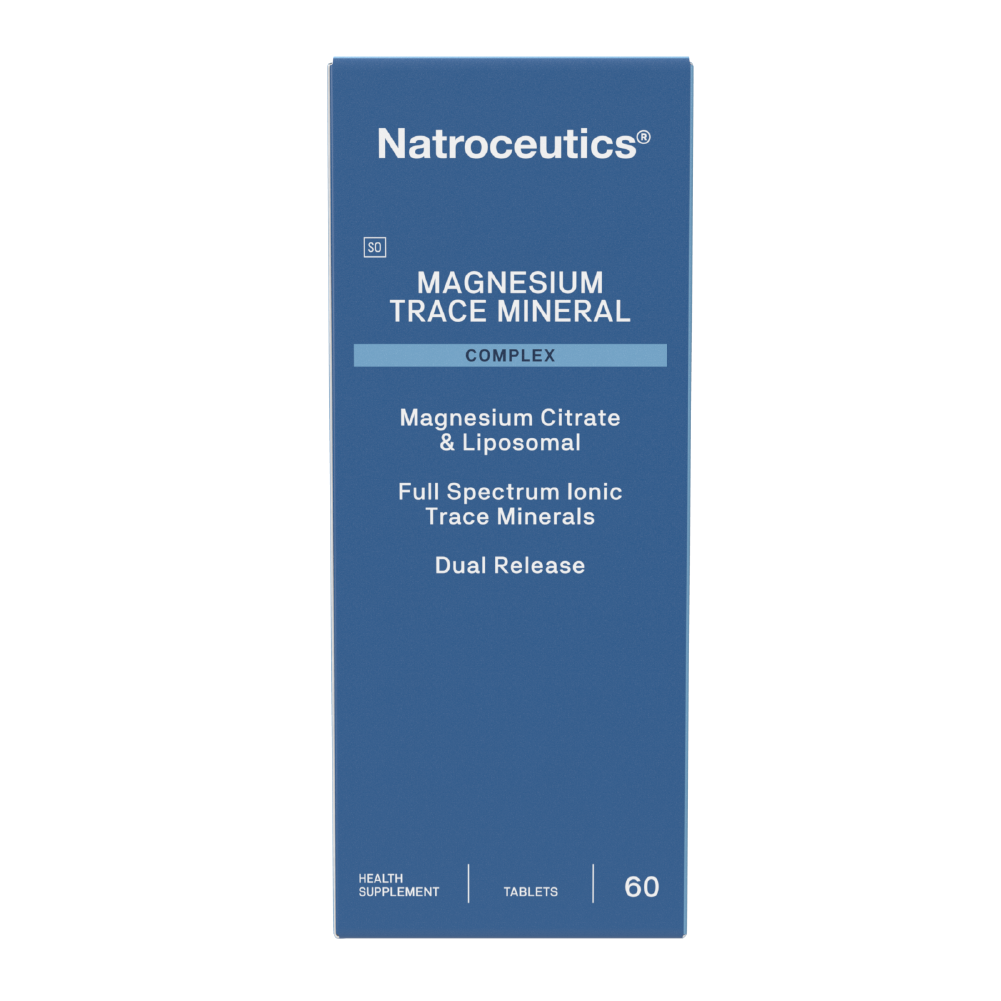
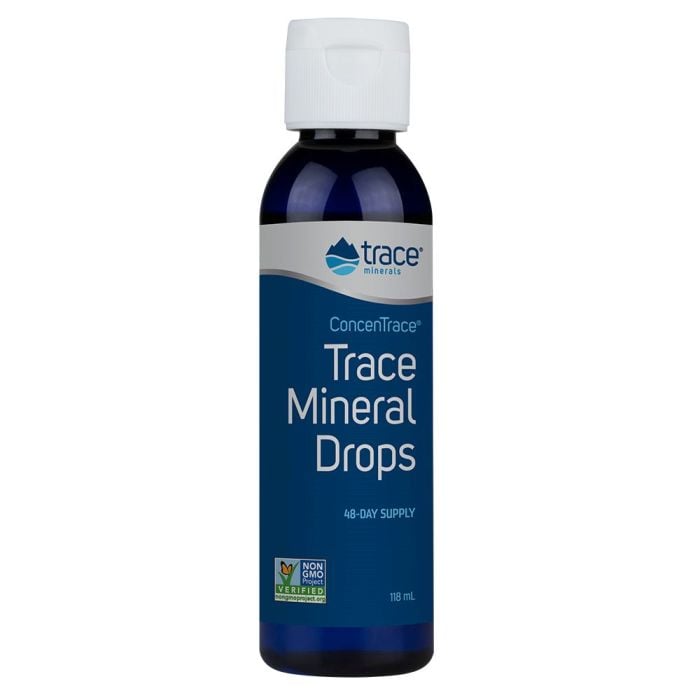
One example is ConcenTrace® Trace Minerals, a full-spectrum ionic mineral complex sourced from the Great Salt Lake and incorporated into various dietary supplements. While many mineral products exist on the market, this example illustrates how geological origin, harvesting methods, and quality control contribute to product integrity.
Understanding a mineral’s source is not about branding — it is about traceability, safety, and authenticity.
Restoring Mineral Balance
For most people, supporting healthy trace mineral status begins with:
-
A diverse, minimally processed whole-food diet
-
Awareness of personal risk factors for insufficiency
-
Thoughtful supplementation when appropriate, prioritising balanced formulations and transparent sourcing
Trace minerals may be small in quantity, but they are foundational in function. They support the systems that sustain energy, immunity, metabolism, and resilience every day.
In a modern world where soil composition, water treatment, and dietary patterns have shifted dramatically, revisiting the role of trace minerals — and paying attention to their source — may be one of the simplest and most overlooked steps toward supporting long-term health.