Modern skincare has become increasingly complicated. Long ingredient lists, multi-step routines, and highly active formulations are often presented as the solution to healthy skin. Yet for many people, this complexity results in sensitivity, imbalance, or a disrupted skin barrier.
At its core, the skin is a protective organ. Its primary role is not to absorb dozens of synthetic actives but to defend, regulate, and maintain equilibrium. When the barrier is supported, skin functions efficiently. When it is repeatedly stripped, over-treated, or overloaded, resilience can weaken over time.
The outermost layer of the skin, the stratum corneum, is composed largely of lipids. These natural fats are essential for preventing water loss and maintaining structural integrity. Supporting this lipid matrix, rather than aggressively altering it, is often where
long-term skin health begins.
Over time, much of modern skincare shifted toward water-based formulations that require preservatives, stabilisers, and emulsifiers to remain shelf-stable. While this enabled mass production and extended distribution, it also marked a move away from simple, lipid-based preparations traditionally used to protect and condition the skin. This shift has prompted renewed interest in ingredient simplicity. Among the ingredients being revisited is tallow, a rendered animal fat used historically in balms and salves. When properly purified and refined, tallow offers a fatty acid profile remarkably compatible with human skin. Its composition closely mirrors the structure of the skin’s own sebum, allowing it to integrate naturally rather than sit heavily on the surface.
Tallow is inherently stable and contains fat-soluble vitamins such as A, D, E, and K, which contribute to barrier support and skin conditioning. Because it is lipid-based, it helps reduce trans epidermal water loss while still allowing the skin to function normally, supporting hydration through compatibility rather than artificial occlusion, that ubiquitous petroleum derived products offer.
The quality of tallow depends entirely on how it is sourced and rendered. Careful purification removes heavier fractions and impurities, resulting in a smooth, absorbent ingredient that feels light yet protective. Precision in processing makes the difference between a dense, waxy product and one that supports the skin comfortably and consistently.
This return to simple fats reflects a broader shift in consumer awareness. Increasingly, people are asking not only what a product promises, but whether its ingredients align with their values around sustainability, transparency, and long-term skin health.
Minimalist formulations built around stable, skin-compatible fats offer a different philosophy: support the skin rather than overwhelm it.
Essential oils, when used thoughtfully and at appropriate concentrations, can complement this approach. Certain botanicals are traditionally valued for their soothing and balancing properties. The key lies in purposeful inclusion — selecting ingredients for function rather than fragrance alone.
Reducing routine complexity can also restore confidence. Instead of layering multiple steps, many individuals find that a simplified regimen built around gentle cleansing and lipid support delivers more consistent results over time.
The principle is straightforward: when the skin barrier is respected, the skin often recalibrates.
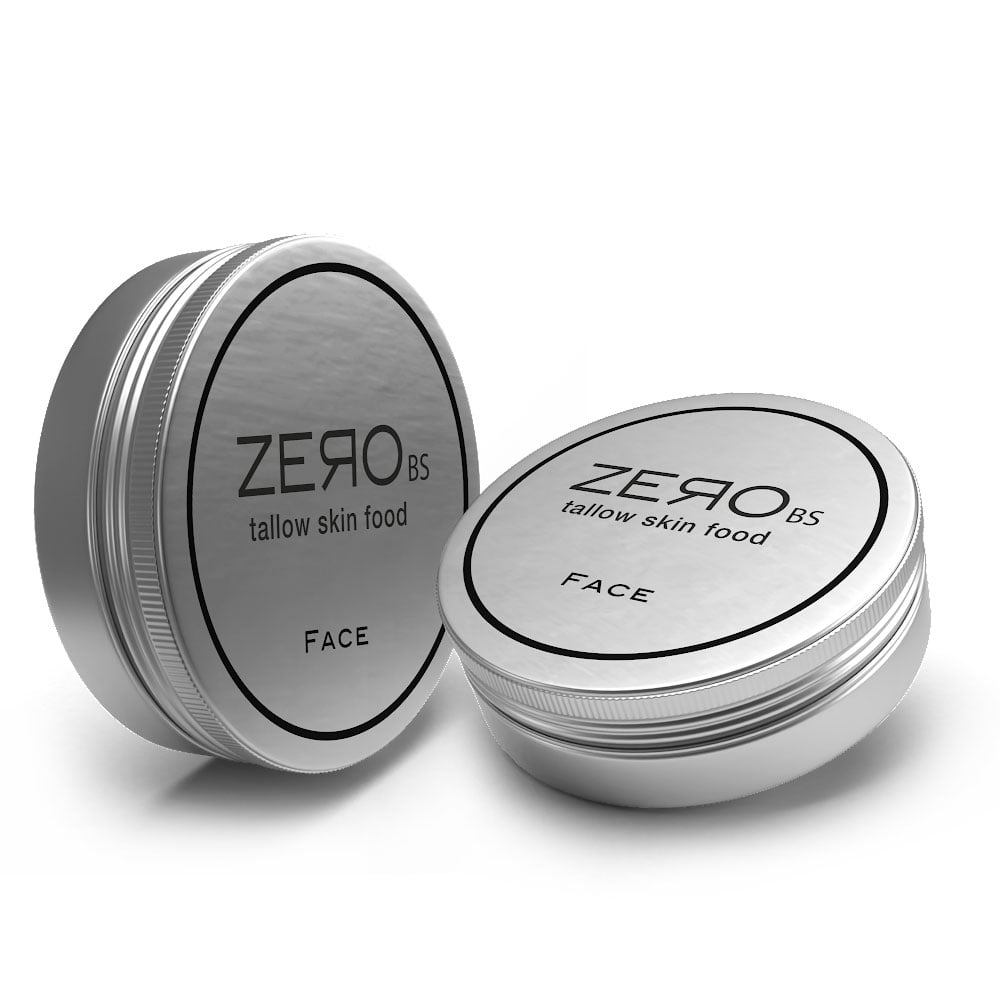
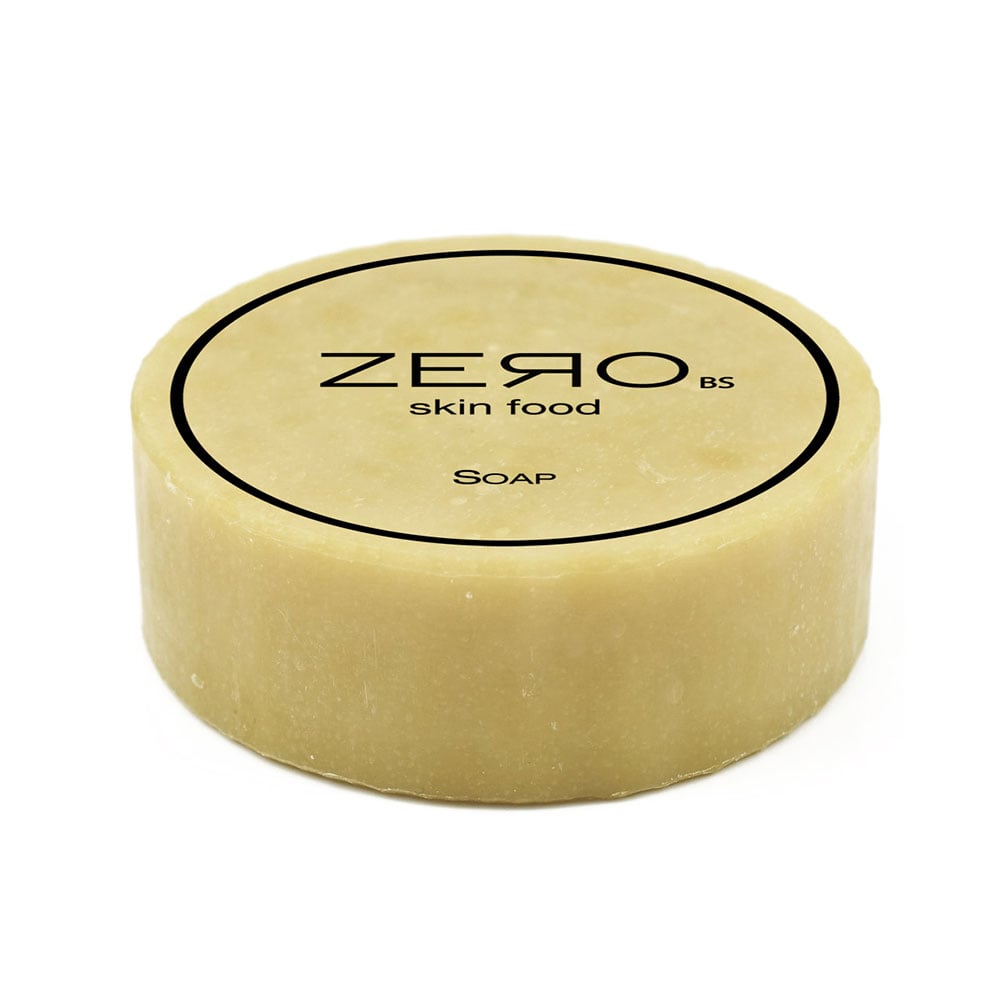
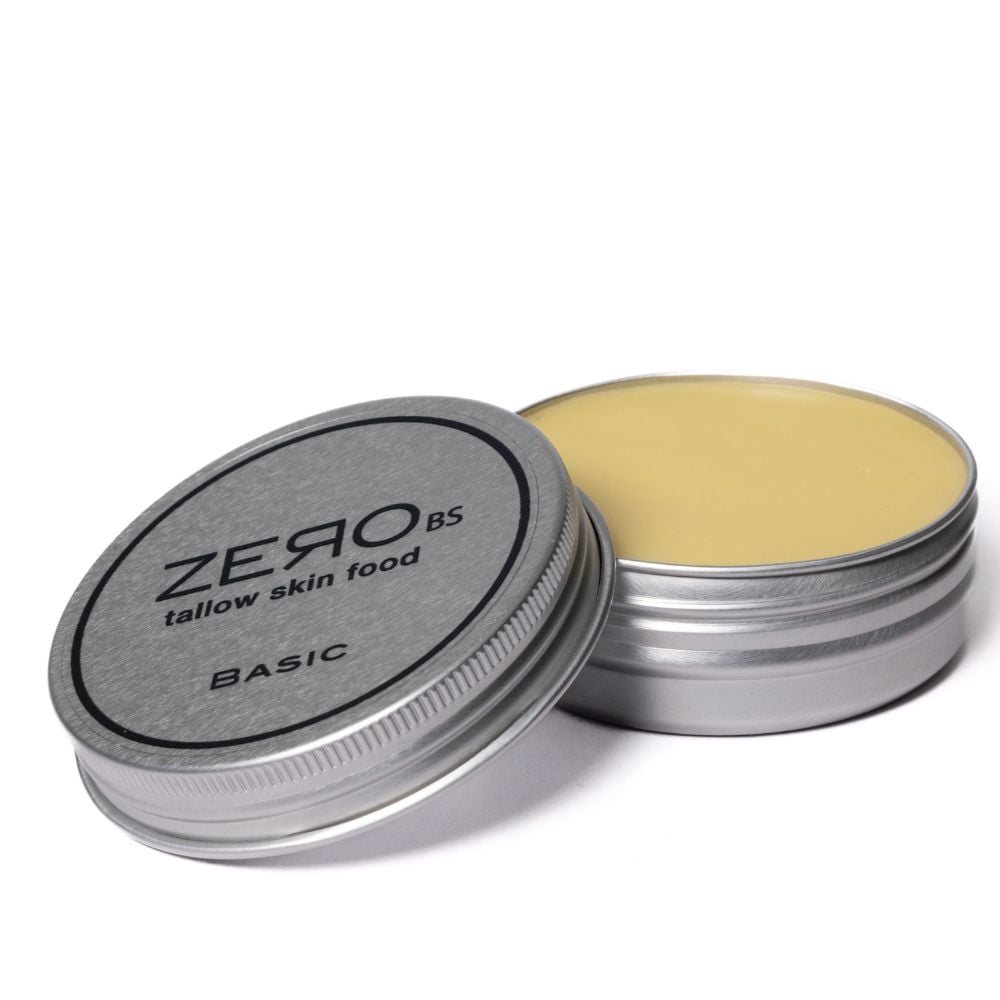
This philosophy of ingredient restraint and skin compatibility is reflected in brands such as Zero BS, which formulates around carefully purified tallow and essential oils selected for function rather than fragrance. In South Africa, Zero BS has helped lead the return to lipid-based simplicity. Since 2017 Zero BS has demonstrated that traditional ingredients, when refined with modern precision and transparency, can offer a credible alternative to increasingly complex cosmetic formulations.
As consumers continue to prioritise ingredient integrity and environmental responsibility, skincare rooted in simplicity offers a grounded alternative to multi-step routines and ingredient overload.
Sometimes, less really is more.