Cellular Hydration
Hydration is becoming far more sophisticated than simply drinking more water. There is growing interest in cellular hydration, mineral balance, hydrogen water, and how hydration influences energy, cognitive performance, skin health, and recovery. The focus is increasingly shifting toward absorption, electrolyte synergy, and replenishing minerals depleted by stress, caffeine, exercise, and modern diets.
Air Quality, Mould Awareness & Environmental Wellness
Environmental health is emerging as a major wellness priority as awareness grows around the impact of mould exposure, indoor pollutants, synthetic fragrances, poor air quality, and toxins on sleep, immunity, hormones, inflammation, and energy levels. This has sparked increased demand for low-toxin living, cleaner home products, air purifiers, and wellness spaces designed to support overall health.
Peptides & Natural Performance Optimisation
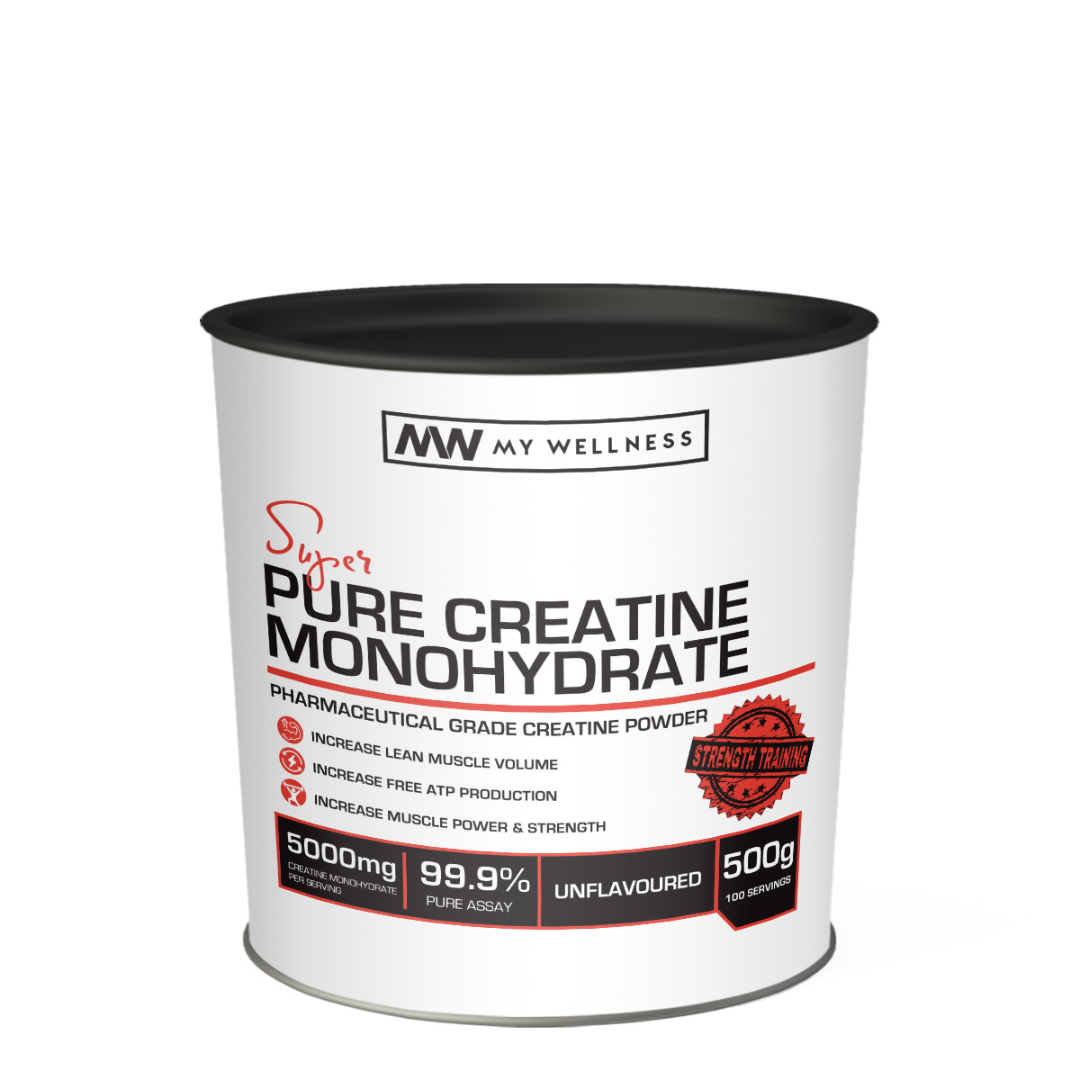
Peptides are becoming one of the fastest-growing conversations in advanced wellness, particularly for their potential role in recovery, muscle support, metabolism, healthy ageing, and cellular repair. Alongside this, there is growing interest in natural performance optimisation through amino acids, longevity-supportive nutrition, recovery-focused wellness, and sleep enhancement.
Glucose-Conscious Eating Without Dieting
Restrictive dieting is increasingly being replaced by blood sugar-conscious eating focused on stable energy, mental clarity, and metabolic health. Protein-first meals, fibre diversity, meal sequencing, and glucose-supportive foods are becoming more mainstream as people recognise the connection between blood sugar balance, mood, hormones, cravings, and overall wellbeing.
Neurocosmetics & Mood-Enhancing Beauty
Beauty is beginning to merge with neuroscience and emotional wellbeing through the rise of neurocosmetics. These products are designed to support the skin-brain connection using sensory experiences, calming scents, textures, and ingredients that may help reduce stress and promote relaxation. Beauty rituals are increasingly being viewed as both emotional and physical forms of self-care.
Nervous System-Friendly Fitness
The intense “push harder” fitness mentality is evolving toward movement that supports recovery, hormonal balance, and nervous system health. Pilates, walking, mobility training, yoga sculpt, breath-led movement, and low-impact strength training are becoming increasingly popular as people seek workouts that energise rather than exhaust the body.
The Rise of Mineral Wellness
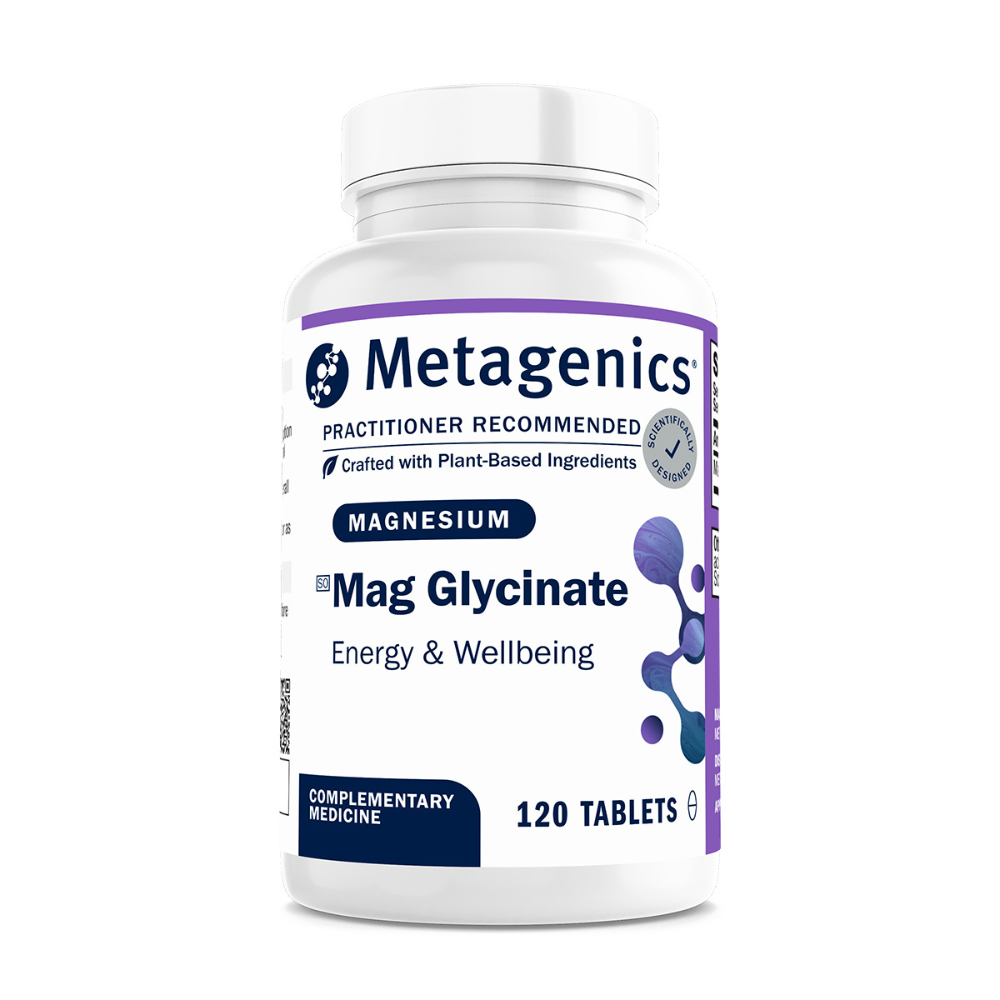
Minerals are rapidly becoming one of the biggest focus areas in wellness, particularly magnesium, potassium, zinc, selenium, sodium, and trace minerals. Growing awareness around depleted soils, ultra-processed foods, and chronic stress is driving interest in mineral-rich nutrition, magnesium blends, trace mineral supplements, and functional hydration support.
Bio-Adaptive Nutrition
Nutrition is becoming more personalised and responsive to the body’s changing needs. Rather than following rigid eating plans, many are adapting their nutrition according to stress levels, hormones, sleep quality, recovery, fitness demands, and energy fluctuations. This more flexible approach reflects a growing understanding that nutritional needs shift over time and are not static.
Anti-Inflammatory Living
Inflammation is increasingly being recognised as a major contributor to fatigue, poor digestion, skin concerns, hormonal imbalance, joint discomfort, and ageing. This has led to growing interest in anti-inflammatory foods, curcumin, omega-3s, polyphenols, gut health support, stress management, toxin reduction, and sleep optimisation as part of a more holistic wellness approach.
Ritual-Based Wellness
Rather than striving for perfection, many people are embracing smaller daily wellness rituals that create consistency and emotional grounding. Morning sunlight exposure, breathwork, mindfulness, adaptogenic drinks, herbal teas, gratitude journaling, and evening wind-down routines are all becoming part of modern wellness culture as people seek calmer, more sustainable ways to support their wellbeing.