The infradian rhythm and the four seasons of your cycle
Most of us know about the circadian rhythm - the roughly 24-hour clock that governs sleep, appetite and body temperature. Far fewer of us are taught that women of reproductive age run on a second clock at the same time. It’s called the infradian rhythm, and it turns over roughly every 28 days rather than every 24 hours.
The infradian rhythm is not only about bleeding. Across a cycle, shifting levels of oestrogen and progesterone influence energy, body temperature, mood, sleep, appetite and how the body responds to exertion and stress. The same woman doing the same thing on day 8 and on day 25 is working with genuinely different internal conditions.
The best way to think of this rhythm is to compare it to seasons:
Winter - menstruation, roughly days 1 to 5. Hormones sit at their lowest point of the month, energy usually does too, and iron is actively being lost. This is the rest-and-release part of the cycle.
Spring - the follicular phase, roughly days 6 to 13. Oestrogen climbs, the uterine lining rebuilds, and for many women energy and mental clarity rise alongside it. Appetite is often lower. This is the rebuilding stretch of the month.
Summer - ovulation, roughly days 14 to 17. Oestrogen peaks and testosterone lifts briefly. Verbal fluency, confidence and sociability tend to be at their highest. It is a short window.
Autumn - the luteal phase, roughly days 18 to 28. Progesterone takes over. Basal body temperature rises slightly and so does resting metabolic rate, which is part of why appetite increases. Many women notice a pull inward: more need for sleep, less tolerance for stimulation. The final days before bleeding are where premenstrual symptoms are most common.
Knowing this should change everything: One cycle is four seasons, each with its own unique needs and perks.
What the body draws on changes throughout the month.
Iron demand is highest around and after bleeding, and vitamin C a cofactor for iron absorption, is most needed during this phase.
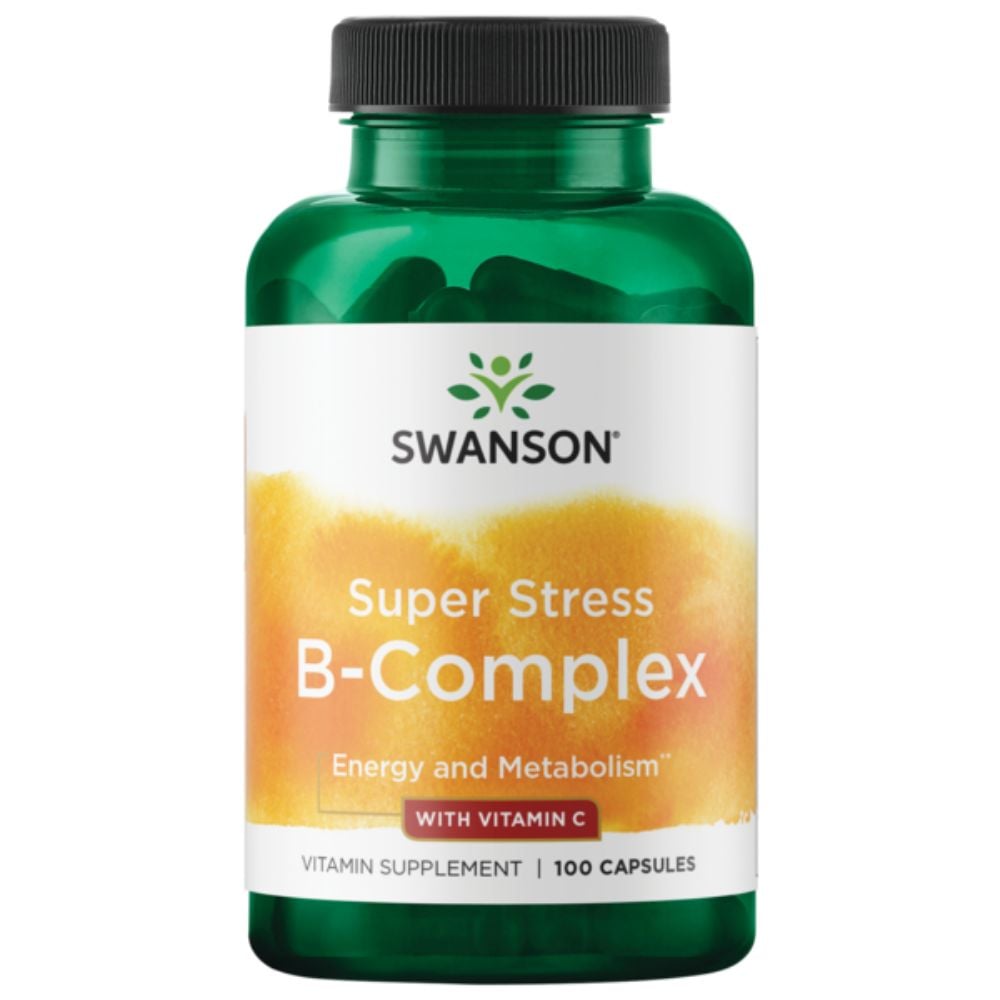
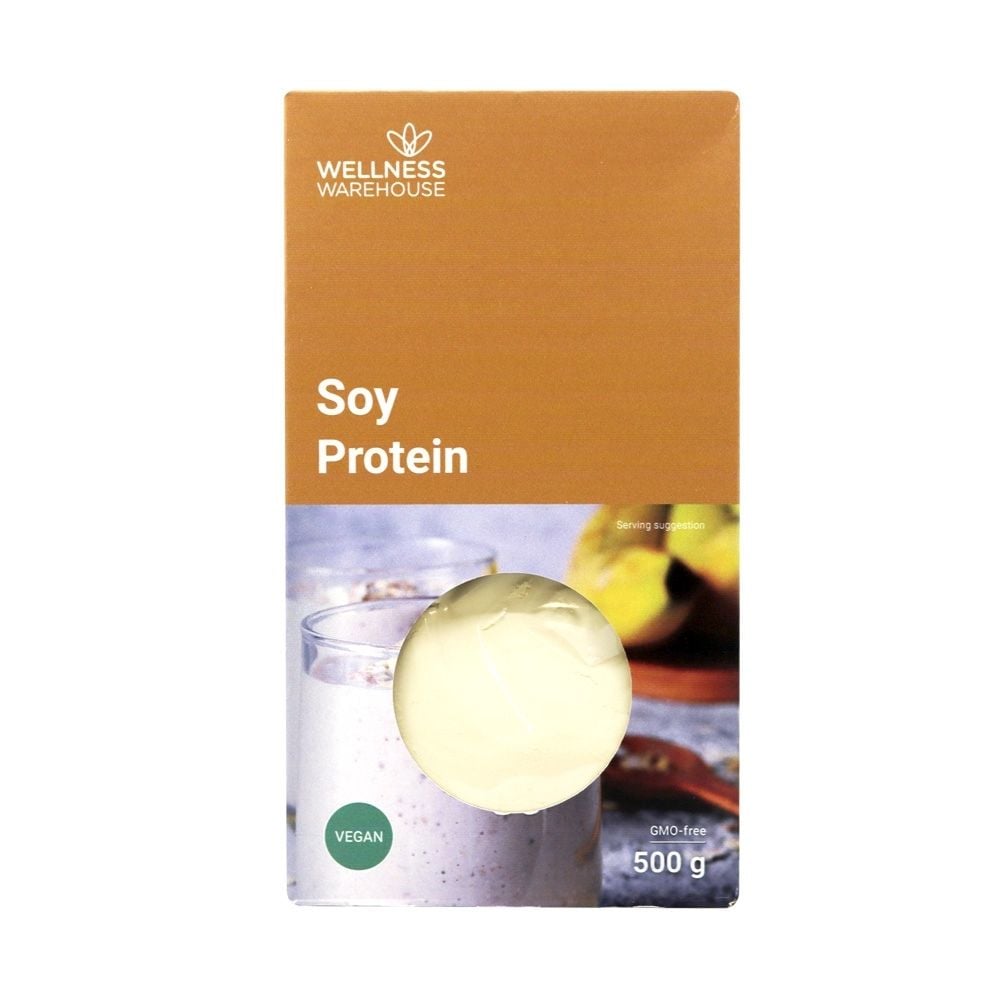
Protein and B vitamins support the blood rebuilding work of the follicular phase.
In the luteal phase, with a slightly elevated metabolic rate and sleep more easily disturbed, the body needs steadier nourishment and more rest.
This is the thinking behind Cycle Harmony, Soaring Free’s two-phase cycle-nourishing system. Rather than one formula taken indefinitely, ignoring the changes in the body, it splits into two tailored formals.
RISE - spirulina, camu camu, maca, shatavari, chaste berry, ashwagandha and reishi - is taken from the day after your period ends through ovulation, when the body is replenishing and rebuilding.
FLOW - shatavari, spirulina, camu camu, chaste berry, valerian, lion’s mane, buchu and ashwagandha - carries you from ovulation to the end of your next period, the phase traditionally met with calming and comforting botanicals rather than stimulating ones.
You don’t need to track ovulation precisely to start the 2-phase protocol; an app estimate is enough or simply start when your period ends. What matters more is the underlying idea that your body is in constant motion, and so are its needs.
Cycle Harmony works with the four seasons, rather than against them. So should you. It’s the simplest change most women can make today to feel more comfortable in their bodies.
Not suitable during pregnancy or breastfeeding. If you use hormonal contraception, or live with PCOS, endometriosis or another hormone-sensitive condition, speak to your healthcare practitioner first.